Dubai's property approval pipeline is heating up, and seasoned investors are paying attention. New residential and mixed-use developments securing permits across secondary and emerging zones are generating rental yields that outpace the city average, reshaping where capital is flowing in 2026.
Data from recent Municipal approvals shows that projects breaking ground in Dubai South, Jumeirah Lake Towers expansion zones, and along the newly activated Sheikh Zayed Road corridor are attracting institutional and individual investors seeking 5–6.5 per cent annual gross yields—a marked improvement over the 3.8–4.2 per cent typical in established Downtown and Palm Jumeirah addresses. The shift reflects both supply maturation in prestige districts and genuine rental demand fuelled by the 10-year golden visa programme, which continues to anchor expatriate residency commitments.
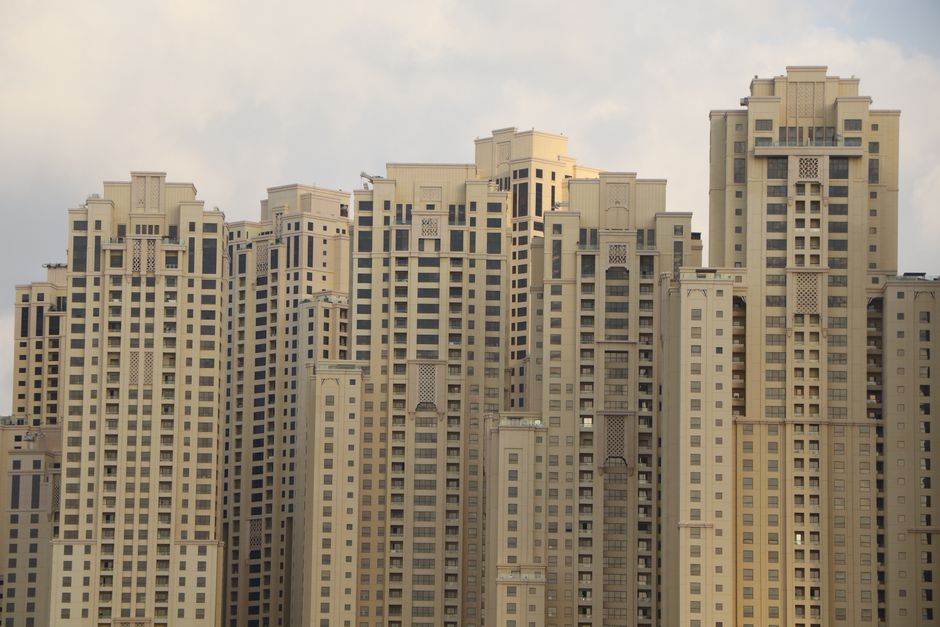
A recent phase-two approval for a 450-unit mixed-use tower in Jumeirah Lake Towers signals developer confidence in JLT's mid-market positioning. Units priced between AED 800,000 and AED 1.4 million are being absorbed by investors targeting rental tenancy within 6–9 months of handover. Current JLT studio and one-bedroom rents range from AED 35,000–AED 50,000 annually, delivering yields around 5.2 per cent on entry prices—compelling relative to JBR waterfront properties, where the same yield requires a significantly higher initial capital outlay.
Equally significant is the green-light acceleration for commercial-residential hybrids near Dubai South. Developers are threading retail, serviced apartments, and corporate residences into single complexes, a model that's proven resilient to market fluctuations. Off-plan units in these zones are shifting at an average AED 1,450–AED 1,550 per square foot—below the city average—with pre-leasing agreements often locked before completion. That de-risks investor exposure substantially.
The golden visa effect cannot be understated. Visa-dependent professionals—particularly in finance, aviation, and logistics sectors anchored to Dubai South and the Airport Freeway corridor—need stable, medium-term rental housing. Developers and property advisors report that corporate housing guarantees on new developments are now normalised, effectively underwriting investor returns before keys change hands.
What's worth watching: approvals granted to Jumeirah Village Circle infill projects and secondary Downtown plots suggest density intensification is underway. This means yield compression for existing inventory, but fresh stock entering mid-range brackets will likely capture tenant overflow, sustaining the 5–6 per cent window for early movers.
For investors monitoring approval registers and municipal announcements, the message is clear. The cycle favours those entering developing zones now, before yields compress toward the city average. The numbers—and the permits—tell that story plainly.
This article was compiled by AI from the sources linked above and screened before publishing. See our editorial standards.