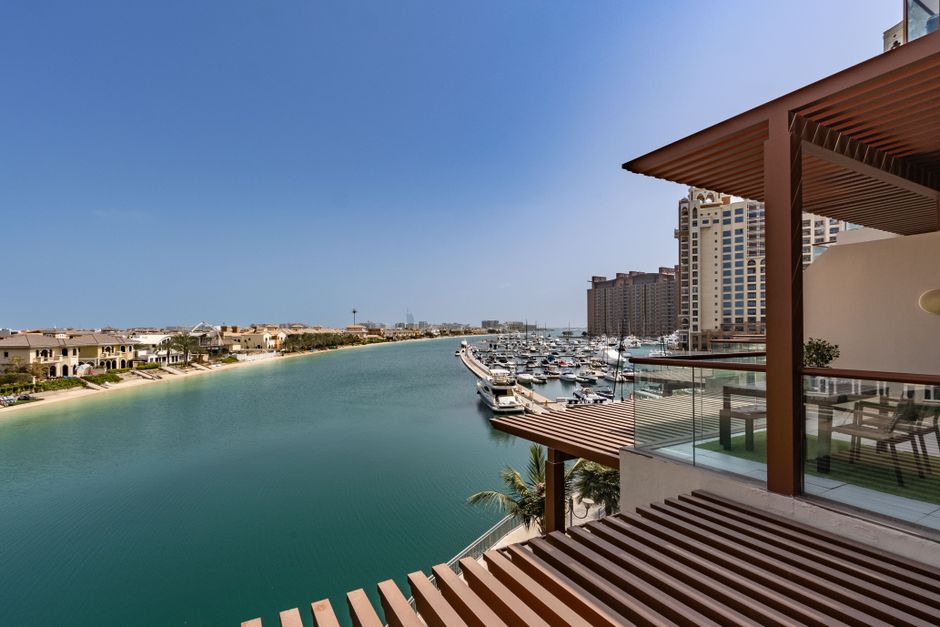
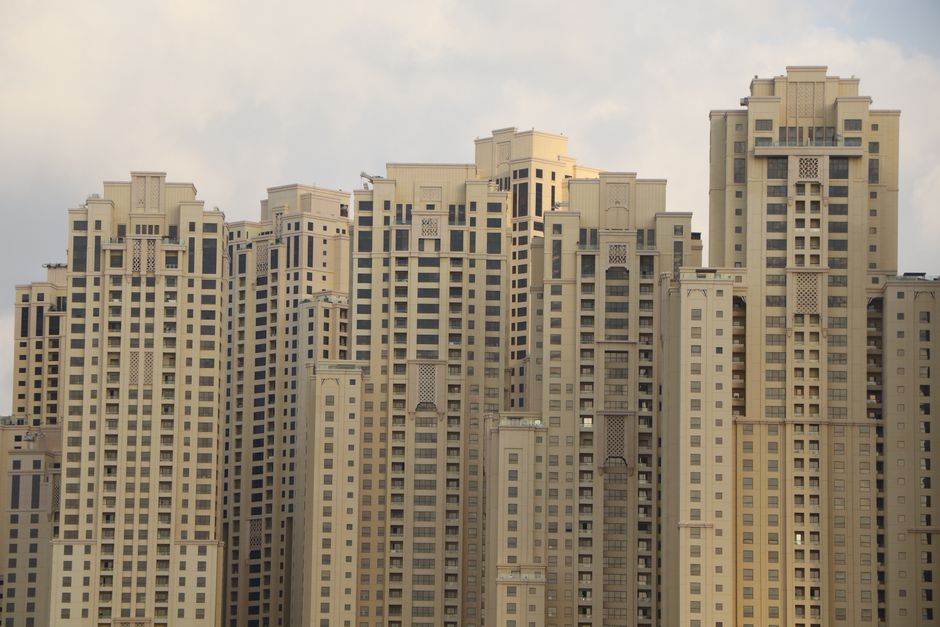
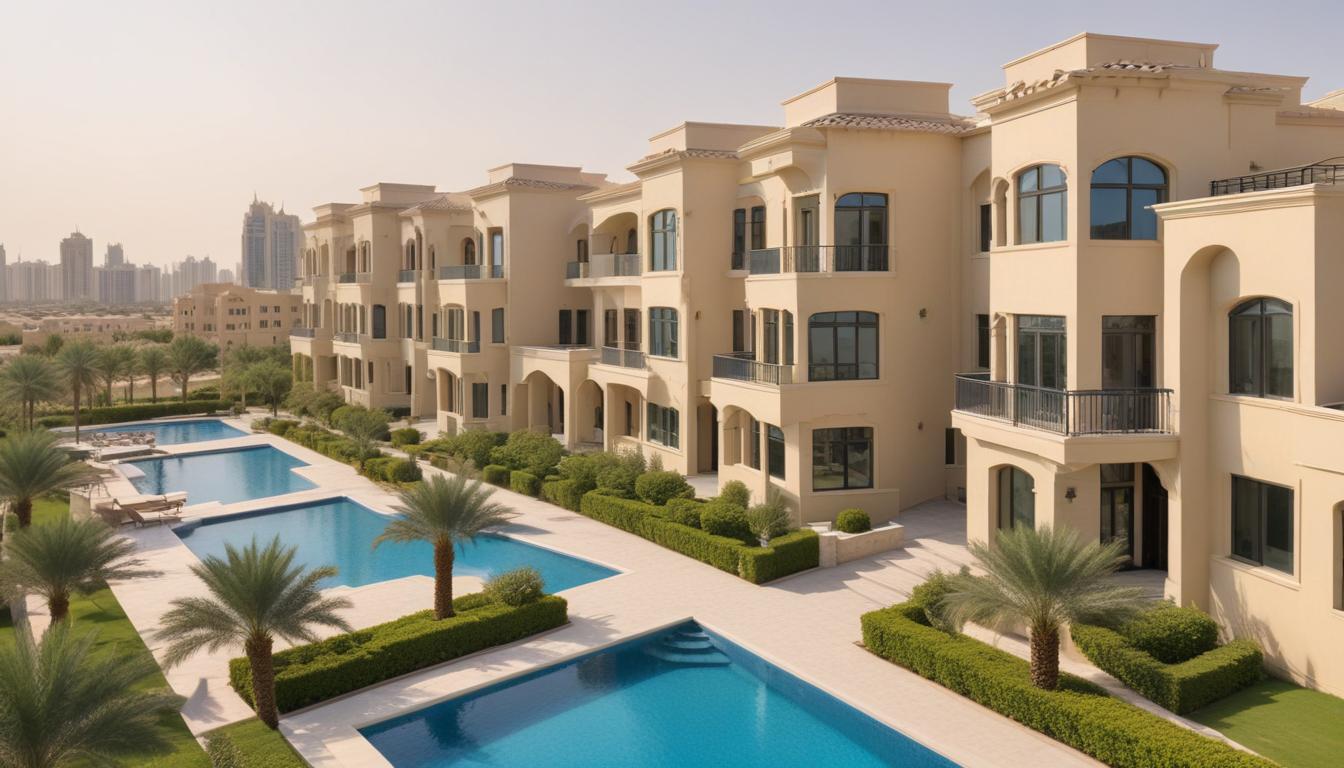
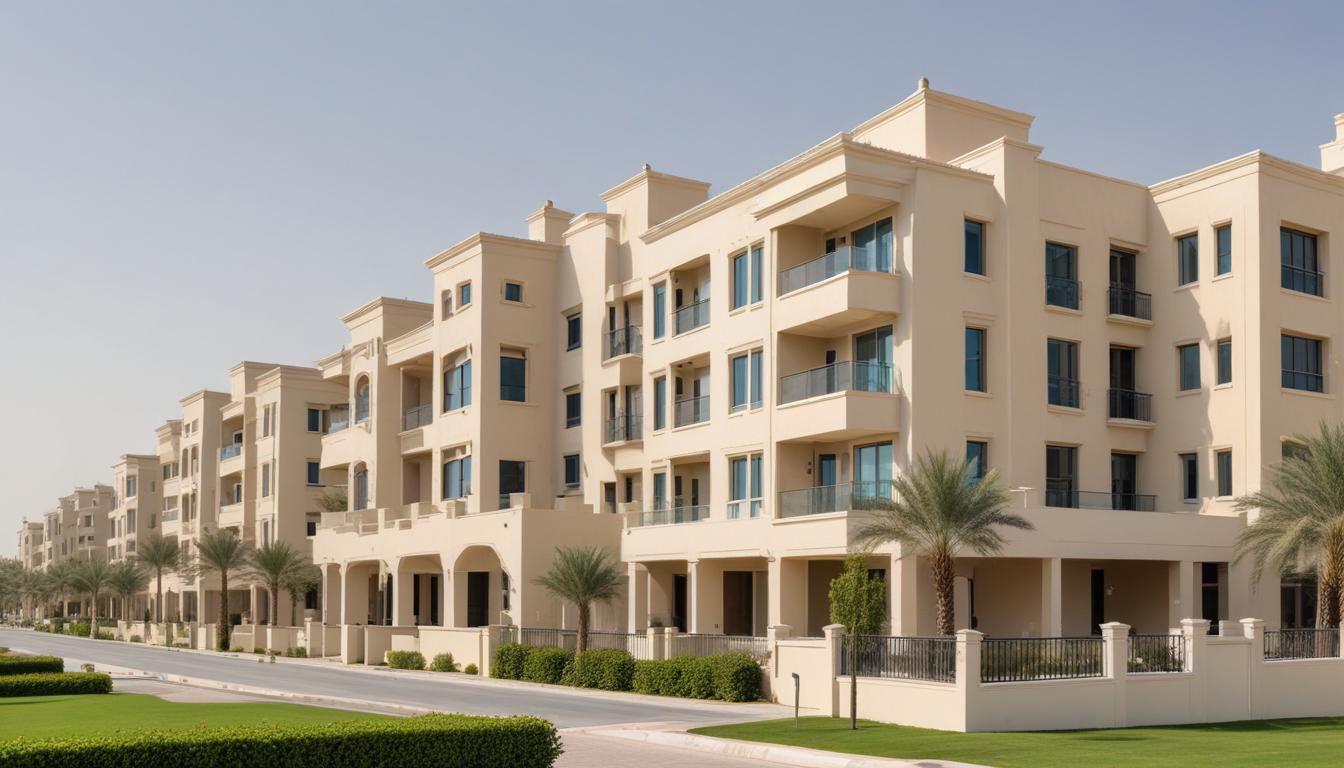
The waterfront neighbourhoods stretching from JBR to Palm Jumeirah are undergoing their most significant transformation in a decade, with pipeline projects set to inject new density, amenities, and investment appetite into some of Dubai's most established postcodes.
Three major developments currently in construction phases—spanning the Jumeirah Beach Residence periphery, the emerging precincts around Bluewaters Island, and secondary Palm developments—signal a strategic shift in how the emirate is densifying premium coastal zones. Unlike the speculative frenzy of the mid-2020s, current approvals reflect measured planning aligned with infrastructure capacity and tenant demand.
The most immediate impact is on micro-location valuations. Properties within walking distance of new retail and dining clusters attached to residential towers are commanding 8–12 per cent premiums over similar units two kilometres inland. A two-bedroom apartment in JBR's emerging northern section now hovers around AED 1.8–2.1 million, versus AED 1.5 million for comparable units in Jumeirah Lake Towers, where development intensity remains lower.
Infrastructure expansion is equally significant. Road widening along The Beach Road and new parking solutions beneath mixed-use complexes address chronic congestion that plagued the area during peak season. The expansion of retail footprints—particularly food and beverage—is attracting younger demographics and families previously priced out by Palm Jumeirah's ultra-luxury positioning.
For investors, the golden visa decade has amplified demand metrics. New projects are targeting end-user buyers with families and remote workers seeking sea-facing amenities without Downtown's density. Rental yields in these emerging pockets range from 4.5–5.5 per cent annually, competitive against the broader Dubai average and above what older JBR stock typically delivers.
However, neighbourhood character risk cannot be ignored. Long-term residents express concern over overdevelopment, citing saturation of service roads and diminishing sense of exclusivity that once defined Jumeirah. Planning authorities have responded by mandating public beach access provisions and limiting building heights in specified zones—a regulatory evolution reflecting post-2022 lessons about amenity-led development.
The approval pipeline reveals Dubai's maturing real estate maturity. Rather than greenfield sprawl toward Dubailand, fresh capital is concentrating on nodal intensification—higher-quality projects in established neighbourhoods with proven infrastructure. This approach benefits existing residents through improved commercial offerings while maintaining investment momentum for developers seeking de-risked locations.
By 2028, these projects will have fundamentally altered the Jumeirah waterfront's economic composition. The area will shift from retirement community to active, mixed-demographic hub—a transition that appeals to investors but requires careful municipal management to preserve the neighbourhood's original appeal.
This article was compiled by AI from the sources linked above and screened before publishing. See our editorial standards.