Dubai's investment property market is sending mixed signals, and the data tells a story many landlords are only beginning to understand. While headline prices hover around AED 1,600 per square foot citywide, actual tenant yields—the annual rental income divided by purchase price—are moving in unexpected directions that reward early movers and punish late arrivals.
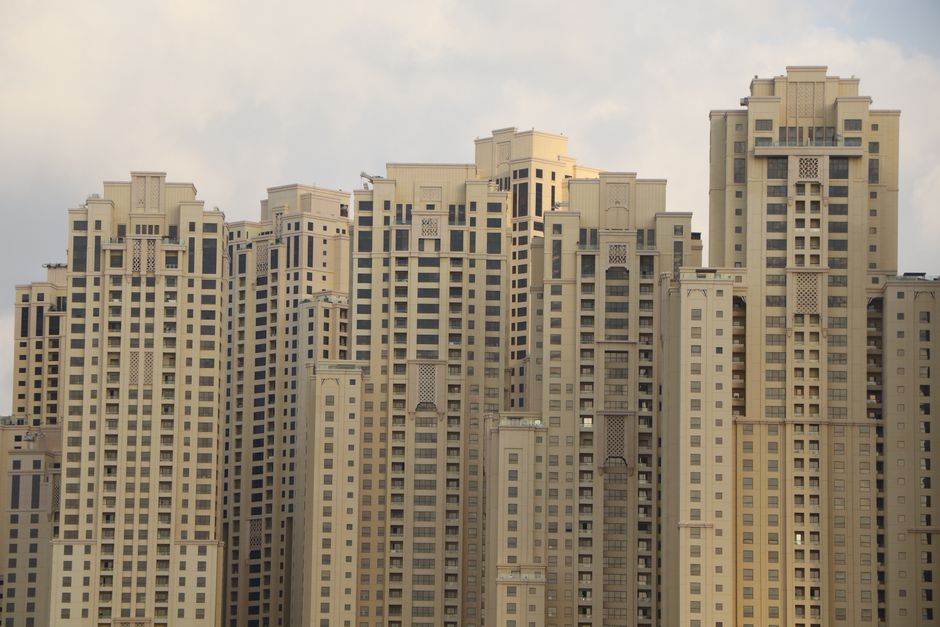
In Jumeirah Lake Towers and Jumeirah Village Circle, historically reliable mid-range submarkets, yields have compressed to 4.5–5.2% annually as purchase prices accelerated through 2025 and into early 2026. Conversely, emerging zones like Dubai Hills Estate and Damac Hills are attracting investor attention with yields hovering near 5.8–6.1%, reflecting slower price appreciation relative to strong tenant demand fuelled partly by the ten-year golden visa initiative. The Dubai Land Department recorded 847 investment property transfers in Q2 2026 alone, up 19% year-on-year, suggesting capital is actively seeking pockets of value.
The paradox facing today's landlord is stark. A two-bedroom apartment in Downtown Dubai commanding AED 2.8–3.2 million generates approximately 3.8% net yield after maintenance, insurance and vacancy reserves. The same capital deployed in a freshly completed mid-tower in JVC returns closer to 5.5%, yet carries lower perceived prestige and less liquid resale markets. Geography, not glamour, now drives returns.
Marina and Palm Jumeirah remain yield-challenged, though trophy properties and fractional improvements in tourism traffic have stabilised rents at roughly AED 180–220 per square foot annually. These luxury addresses function less as cash-flow engines and more as capital appreciation vehicles—a calculation many international buyers misjudge.
Smart operators are now triangulating three factors: rental demand (JBR waterfront and Discovery Gardens show robust footfall and school proximity), development pipeline saturation (Downtown oversupply continues to weigh on both rents and yields), and visa-driven demographic shifts. The ten-year visa scheme has catalysed demand in family-oriented pockets like Arabian Ranches and The Meadows, where yields have tightened but stability has improved.
Data from property agencies tracking Q2 leasing activity shows average rent growth of just 2.3% year-on-year, while property prices rose 6.8%—a gap that narrows yields by roughly 0.4–0.6 percentage points annually if sustained. For investors banking on 6% or higher returns, that compression is existential.
The golden rule remains unchanged: yields reward patience and geographic diversification, but the window to capture above-market returns in secondary submarkets is narrowing as capital chases the same targets. Understanding where you stand on Dubai's yield curve matters more than ever.
This article was compiled by AI from the sources linked above and screened before publishing. See our editorial standards.