What Dubai's Investor Yields Are Really Telling Landlords Right Now
As golden visa demand reshapes the rental market, the numbers reveal where smart money is flowing—and where it's stalling.
As golden visa demand reshapes the rental market, the numbers reveal where smart money is flowing—and where it's stalling.
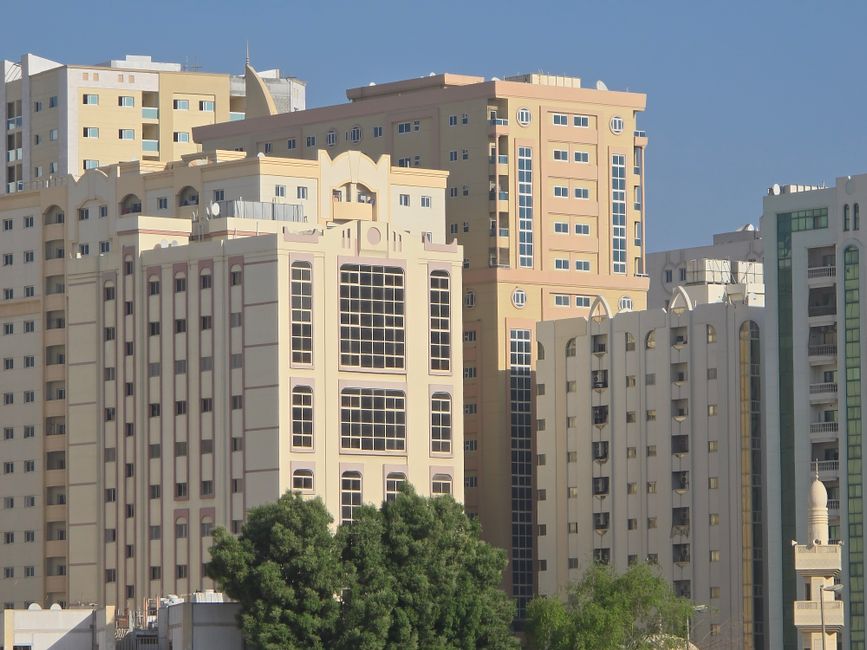
Dubai's rental yields have become a tale of two markets. While average property prices hold steady around AED 1,600 per square foot citywide, the gap between high-performing and mediocre assets has never been wider—a reality that separates savvy landlords from those watching returns stagnate.
The golden visa programme has fundamentally altered demand patterns. Mid-range communities like Jumeirah Village Circle and Jumeirah Lake Towers—where yields historically hovered around 4.5 to 5 percent—are now attracting visa-holding families seeking stable, family-friendly neighbourhoods with good schools and retail proximity. Recent data shows these pockets delivering consistent 5 to 5.5 percent gross yields, underpinned by lower vacancy rates and sticky tenants.
Downtown Dubai and Palm Jumeirah tell a different story. Ultra-luxury segments face headwinds. While a penthouse overlooking the Burj Khalifa or waterfront villa on the Palm commands premium rents, the spread between purchase price and annual rental income has compressed. Yields in these neighbourhoods typically range 2.5 to 3.5 percent—reflecting their status as alternative stores of wealth rather than cash-generative vehicles. Investors here are banking on capital appreciation, not monthly cheques.
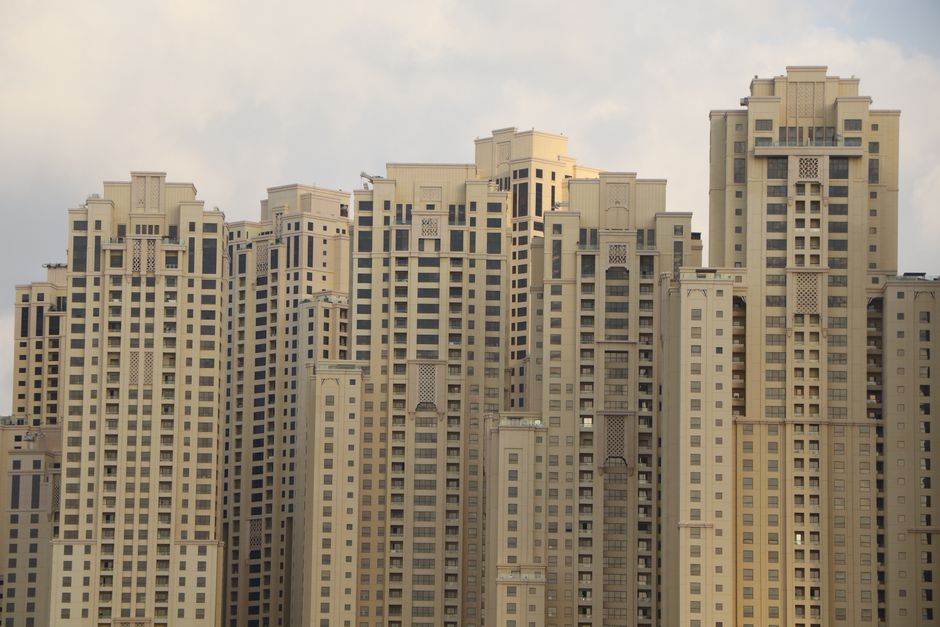
Waterfront communities reveal another trend. JBR's mature rental ecosystem continues to perform, with yields around 4 to 4.5 percent, though tenant turnover remains higher than in family-oriented zones. The developer-led rental guarantee schemes that once padded returns have largely expired, forcing landlords to navigate actual market dynamics for the first time in years.
What the numbers show most clearly: location specificity matters more than ever. A modest two-bedroom apartment in JVC with professional tenants on visa sponsorship can outperform a larger but harder-to-let villa in an ageing development. Transaction costs—typically 4 to 5 percent combined—hit returns harder for lower-priced properties, making the yield math unforgiving for anything below AED 800,000.
Smart landlords are responding by repositioning. Some are upgrading fixtures to attract corporate relocations willing to pay premium rents. Others are shortening lease terms to capture rate increases faster. A few are exiting low-yield trophy assets entirely, reallocating capital to emerging pockets offering both yield and demographic tailwinds.
The fundamental lesson: Dubai's investment market now rewards specificity over generality. The days of buying anywhere and expecting respectable returns have passed. Today's data-driven investor knows their neighbourhood's vacancy rate, tenant profile, and competing supply—and prices accordingly.
This article was compiled by AI from the sources linked above and screened before publishing. See our editorial standards.
How does this story make you feel?
Spread the word
About this article
Published by The Daily Dubai
Daily brief
Free, in your inbox before 7am. Weekdays.
More in Property