Dubai's rental market has entered a new phase. With average property prices hovering around AED 1,600 per square foot citywide, and golden visa demand showing no signs of cooling, the relationship between landlords and tenants has become increasingly strained across the emirate's most sought-after districts.
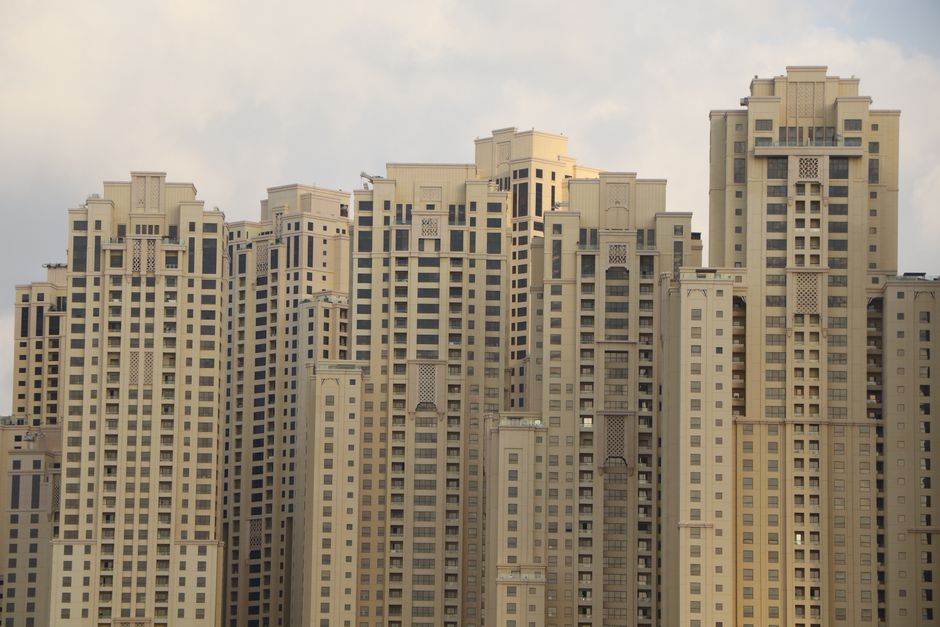
In Downtown Dubai and Palm Jumeirah, the impact is most acute. Premium one-bedroom apartments now command annual rents exceeding AED 100,000, up nearly 18 percent since 2023. For expat professionals and relocating families, these figures have triggered a domino effect: renters are trading waterfront prestige for pragmatism, moving toward more affordable pockets like Jumeirah Village Circle (JVC) and Jumeirah Lake Towers (JLT), where mid-range yields remain attractive but increasingly competitive.
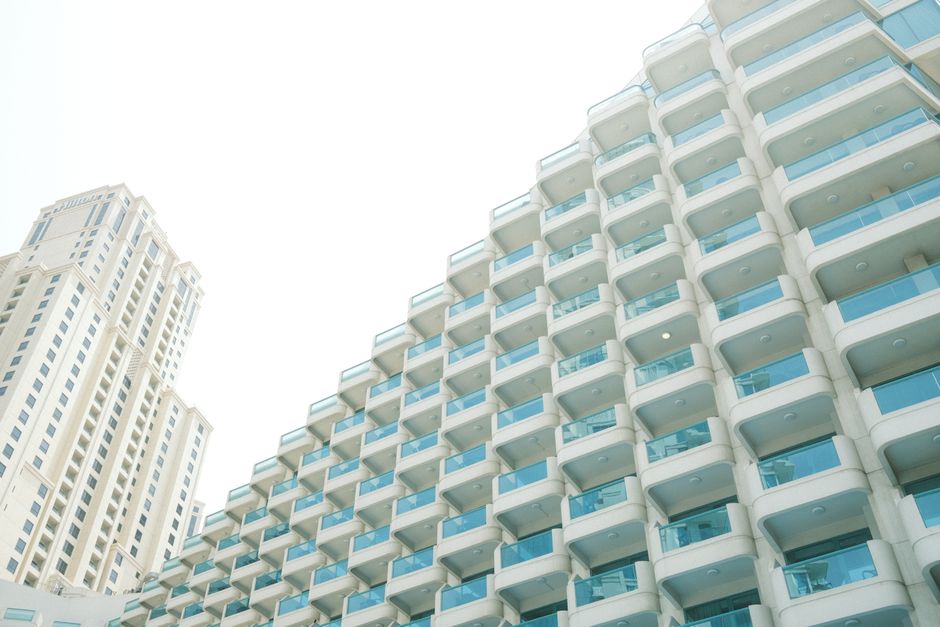
The shift has created unexpected winners and losers. Landlords with property in JBR and other waterfront zones continue to benefit from limited supply and sustained demand from tourists and short-term renters. Yet those holding inventory in secondary locations face longer vacancy periods and downward pressure on rental rates. Industry observers note that clearance rates—a measure of how quickly properties change hands—have softened recently, signalling that some landlords are holding firm on pricing rather than accepting market corrections.
For tenants, the mathematics have become less forgiving. Young professionals entering Dubai's job market now allocate 40 to 50 percent of their salaries to rent alone, compared to the historical 30 percent benchmark. This squeeze has prompted growing interest in co-living arrangements and the expansion of furnished accommodation platforms catering to flexible-lease seekers.
The 10-year golden visa programme continues to fuel underlying demand, particularly among upper-income brackets securing property in trophy locations. However, this influx has created a bifurcated market: luxury sectors remain insulated, whilst mid-market tenants absorb most of the adjustment pressure.
Real estate agents operating along Sheikh Zayed Road and The Walk at JBR report that negotiation timelines have lengthened and that landlords increasingly offer modest incentives—waived agency fees, free maintenance periods—to secure quality tenants quickly. These concessions suggest the market is reaching an inflection point where supply-demand equilibrium is fragmenting by neighbourhood and asset class.
Whether this marks the beginning of a broader correction or merely a seasonal rebalancing remains uncertain. What is clear: both landlords and tenants are recalibrating expectations, and Dubai's rental landscape will look materially different by year-end.
This article was compiled by AI from the sources linked above and screened before publishing. See our editorial standards.