Dubai's rental market is experiencing a rare moment of tension. For years, landlords held the upper hand in a supply-constrained city where golden visas and expatriate influx kept demand buoyant. Today, that equilibrium has fractured—and both sides of the lease are feeling the pressure.
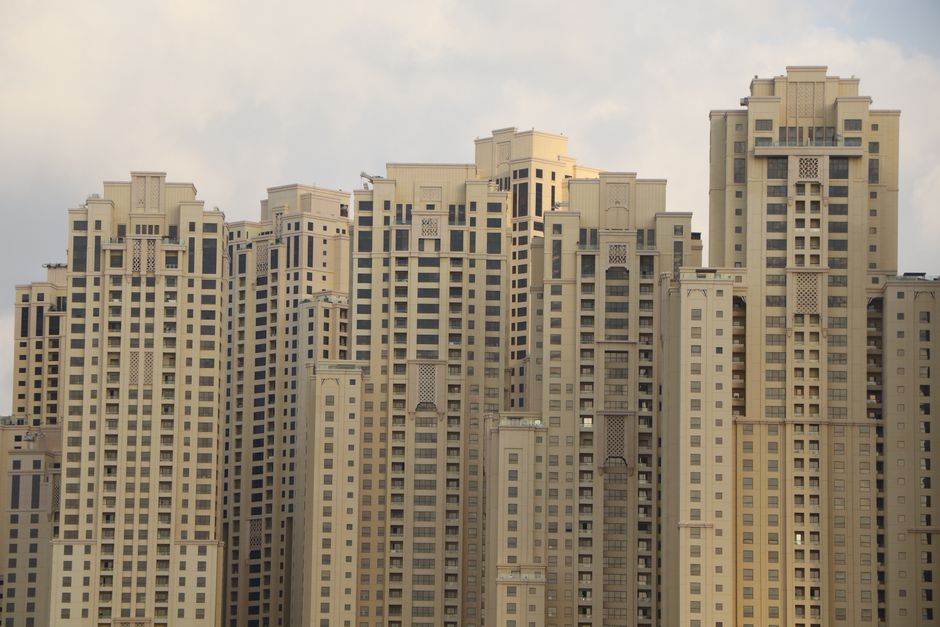
The numbers tell a sobering story. Average rental yields across mid-range communities like Jumeirah Village Circle and Jumeirah Lake Towers have compressed to historically low levels, with some properties offering returns below 3 per cent annually. Meanwhile, tenants in these same neighbourhoods face rent increases of 5–8 per cent, even as landlords struggle with rising maintenance costs and longer vacancy periods between lettings.
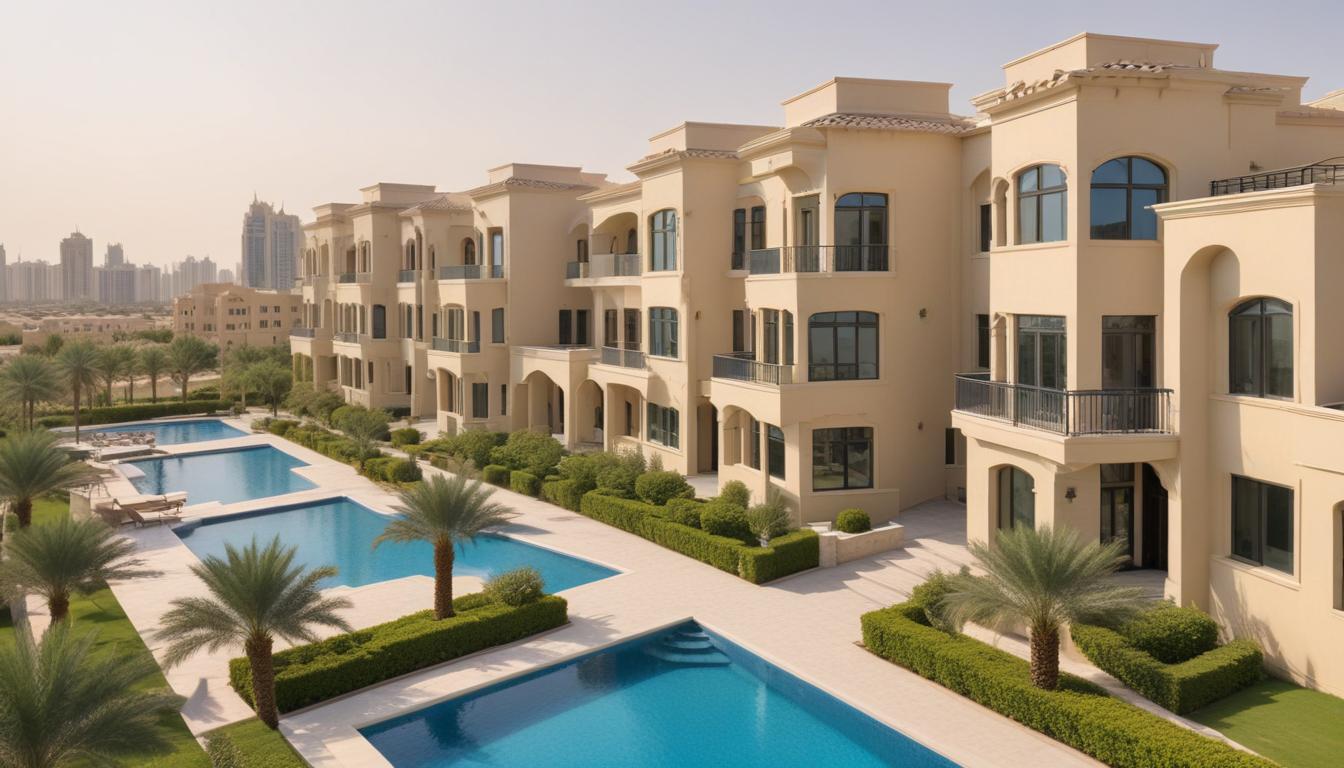
The Rental Dispute Centre, housed within the Real Estate Regulatory Agency, has seen a measurable uptick in complaints over the past eighteen months. Tenants increasingly challenge rent hikes citing market softness; landlords counter that municipal fees, water and electricity tariffs, and property management costs have outpaced income. Downtown Dubai and the Palm Jumeirah—traditional havens for premium rentals—have seen luxury units sit vacant for months, a scenario almost unthinkable five years ago.
The government's affordable housing initiatives, including schemes aimed at supporting vulnerable overseas families, have introduced a new variable into the equation. While welcome from a social perspective, these programmes have inadvertently highlighted the gap between market rents and genuinely affordable units. Developers and institutional landlords now face conflicting signals: regulatory pressure to participate in affordability mandates versus investor expectations for returns.
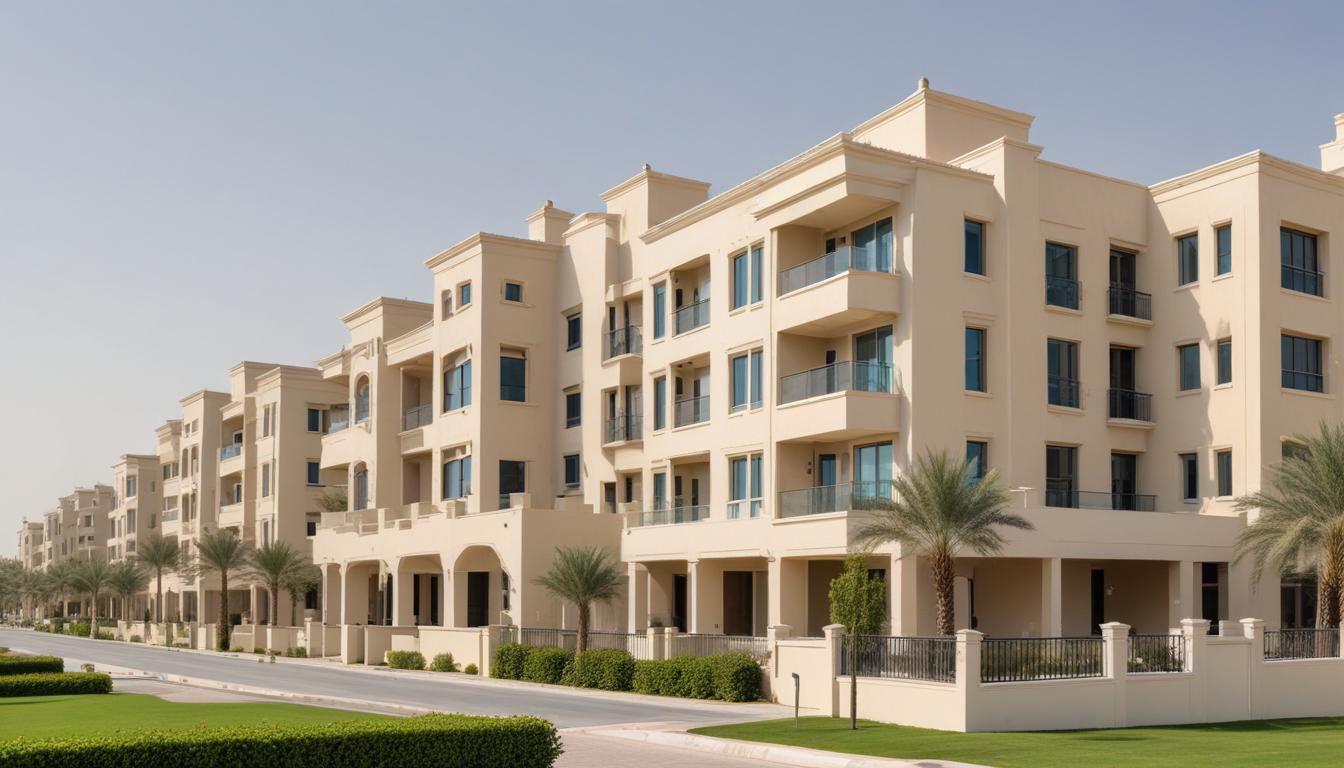
Communities like International City and Sonapur have become de facto safety valves for budget-conscious tenants priced out of closer-to-CBD neighbourhoods. Yet this exodus has created secondary challenges—infrastructure strain and shifting community demographics that weren't anticipated a decade ago.
For landlords, the calculus has shifted. Some are transitioning to short-term holiday lets, where regulatory oversight remains lighter. Others are holding units off-market, betting on eventual price appreciation rather than rental income. This strategy, while individually rational, has contributed to neighbourhood vacancy rates that concern property managers and community developers alike.
The rental market's tension is ultimately a referendum on Dubai's growth model. A city that thrived on continuous inbound migration now confronts sobering questions: Can the market absorb another wave of expatriates without creating an affordability crisis? Should social housing initiatives be expanded, and at what cost to private investor confidence? These questions lack easy answers, but they will define Dubai's rental landscape for the next decade.
This article was compiled by AI from the sources linked above and screened before publishing. See our editorial standards.