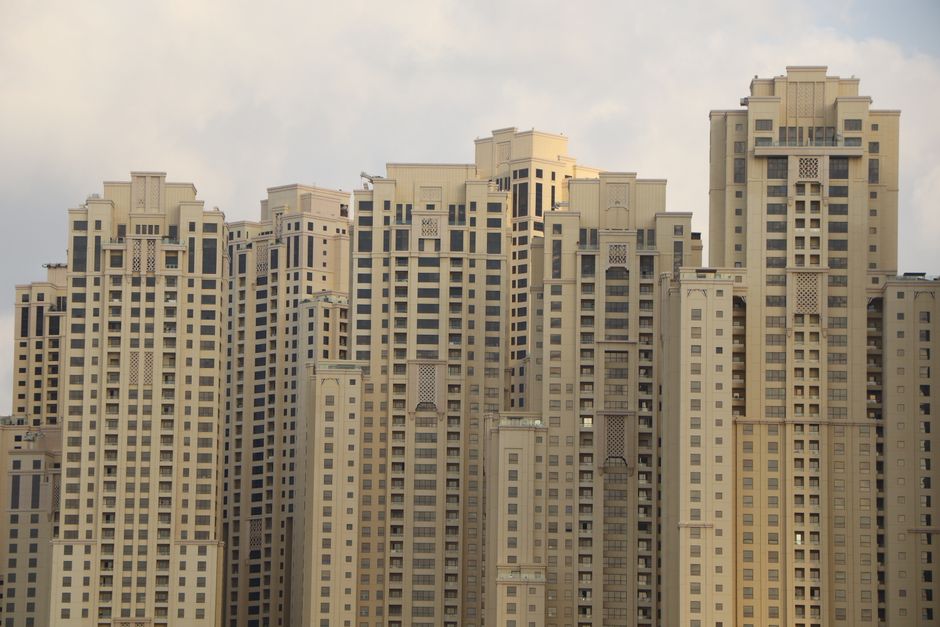
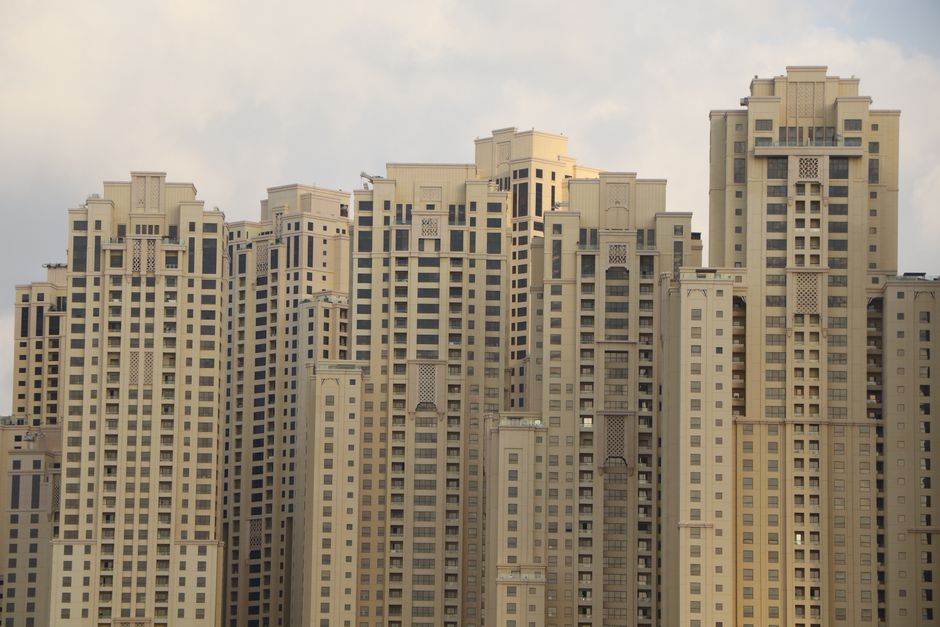
Dubai's construction pipeline has delivered a double-edged sword for rental market participants. With significant completions now stabilising across Jumeirah Lake Towers and Jumeirah Village Circle, landlords are navigating softer demand dynamics while tenants enjoy rare negotiating leverage—a reversal that hasn't materialised in nearly a decade.
The numbers tell a sobering story for traditional buy-to-let investors. Average rental yields in JLT have compressed to 4.2 per cent annually, down from 5.1 per cent in 2024, according to recent market assessments. Landlords holding properties in the 1,200–1,500 sqft range—traditionally the bread-and-butter segment—face mounting pressure to reduce asking rents or accept longer vacancy periods. One Downtown Dubai property manager reported unit turnover times extending from 14 days to 35 days in recent months.
The influx of newly completed units in JVC particularly has altered tenant expectations. Studios and one-bedroom apartments, where supply surges most acutely, are now showing rent flexibility of 8–12 per cent below 2024 peak rates. A one-bedroom in JVC's newer towers now averages AED 2,800–3,200 monthly, compared to AED 3,100–3,500 eighteen months ago. For price-conscious expatriates on golden visa sponsorship—often arriving in clusters—this newfound choice represents genuine relief after years of constrained budgets.
Landlords, however, face a strategic recalibration. Long-term ownership models, once the default investment thesis, now demand deeper analysis. Some are converting properties to short-term furnished lets, monetising the summer tourist influx and corporate relocation cycles. Others are bundling service-inclusive packages—gym memberships, coworking credits, furniture packages—to differentiate amid oversupply.
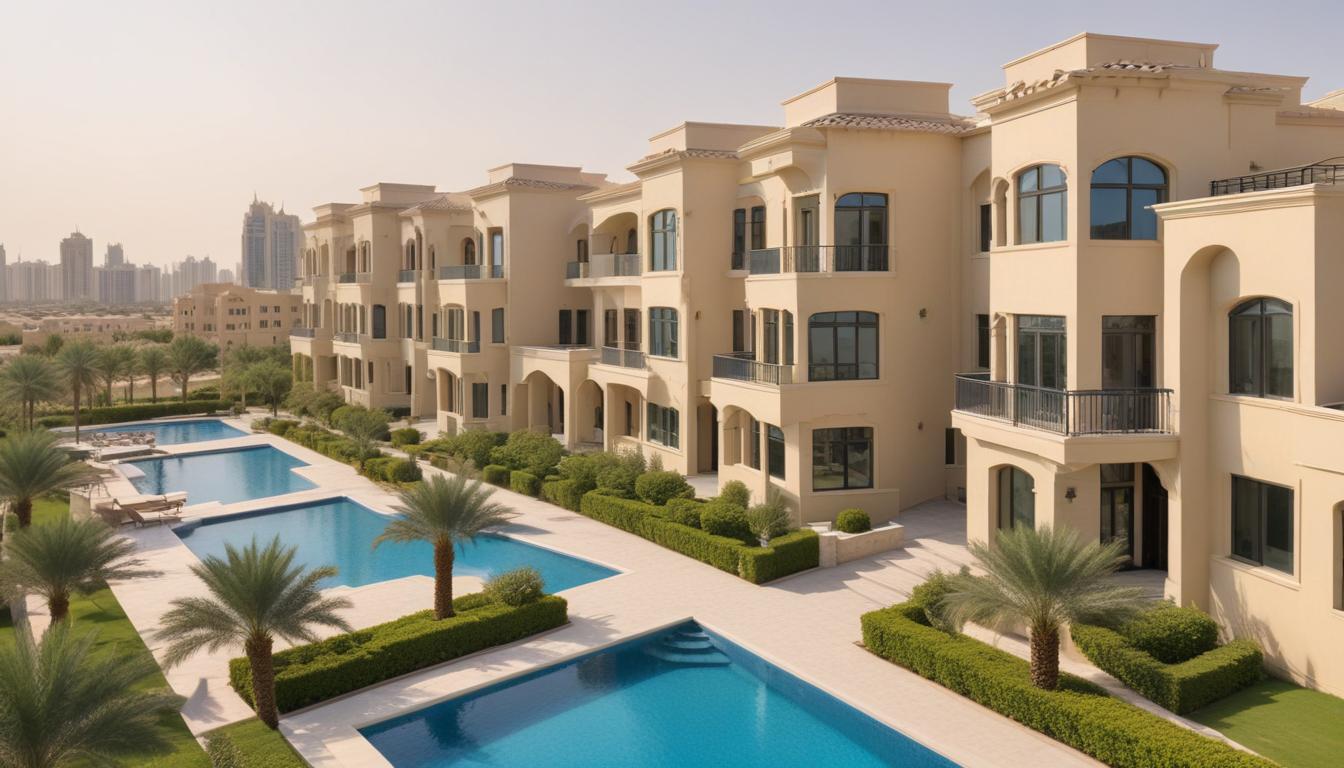
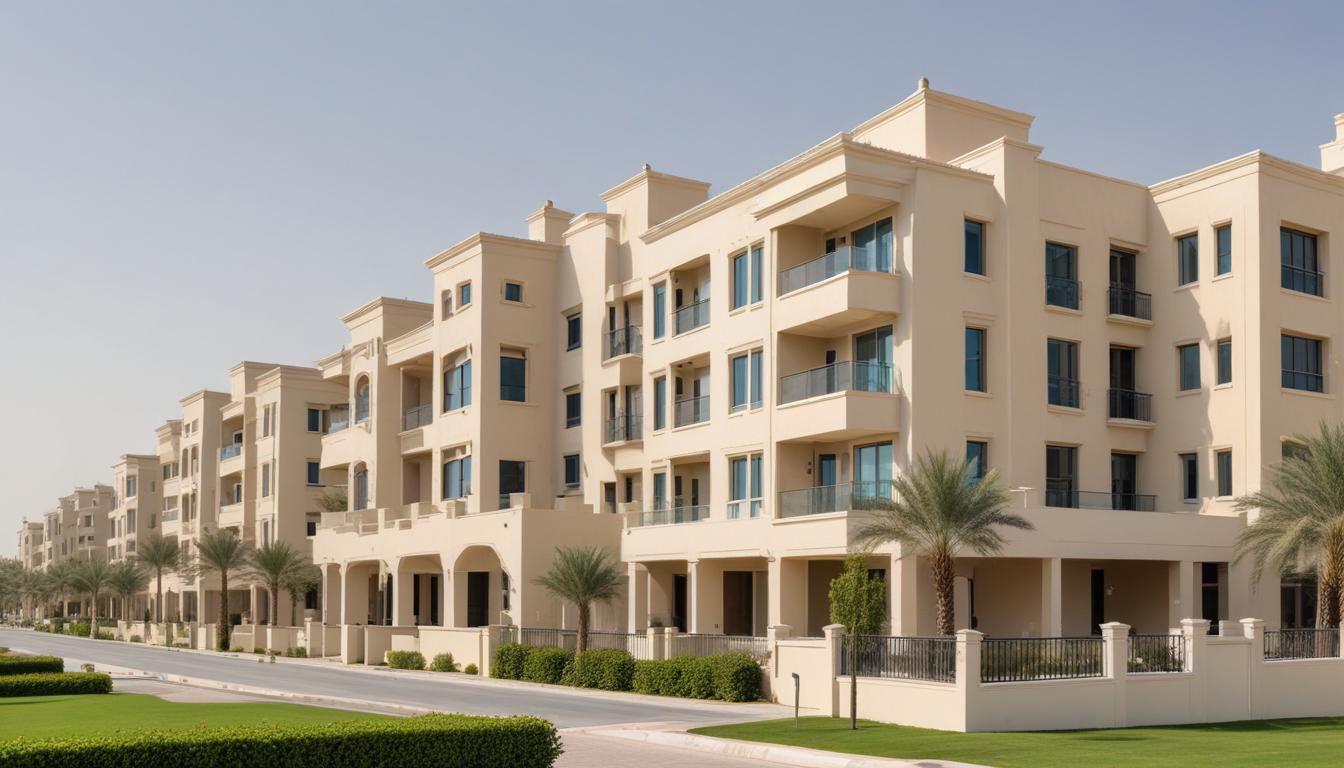
The waterfront precincts around JBR remain relatively insulated, where branded serviced apartments and premium community amenities sustain 5+ per cent gross yields. Downtown Dubai luxury segments similarly retain pricing power. Yet mid-market properties in emerging clusters like Dubai Hills Estate and the extended JBR corridor are experiencing genuine rental deflation.
Regulators and real estate bodies have remained circumspect, neither intervening to stabilise supply nor accelerating new approvals in oversupplied zones. The Real Estate Regulatory Agency's measured approach suggests this soft landing is viewed as healthy market correction rather than distress signalling.
For tenants navigating the 2026 lease renewal cycle, the window remains open. For landlords, the lesson is clear: yield expectations must recalibrate downward, or asset classes must diversify. The age of passive property ownership, it seems, has quietly ended.
This article was compiled by AI from the sources linked above and screened before publishing. See our editorial standards.