First-Time Landlords: Your Guide to Dubai's Rental Market Without the Missteps
With yields ranging from 4-7% across key zones, savvy newcomers are learning where to buy, what to expect, and how to avoid costly oversights.
With yields ranging from 4-7% across key zones, savvy newcomers are learning where to buy, what to expect, and how to avoid costly oversights.
Dubai's property market has matured considerably since the boom years, and first-time investment buyers now face a more nuanced landscape than their predecessors. With the average price holding steady around AED 1,600 per square foot citywide, understanding yield potential before signing cheques has become essential.
The golden visa programme has turbocharged demand for residential assets, particularly among overseas buyers seeking long-term residency. This influx has reshaped yield expectations: mid-range communities like Jumeirah Village Circle and Jumeirah Lake Towers consistently deliver 5-6% gross rental yields, while Downtown Dubai and Palm Jumeirah command premium prices but tighter margins of 3-4%. For first-timers, this trade-off matters enormously. A AED 850,000 apartment in JVC might generate AED 50,000 annually; the same investment in Downtown could yield AED 30,000—a gap that compounds over a decade.
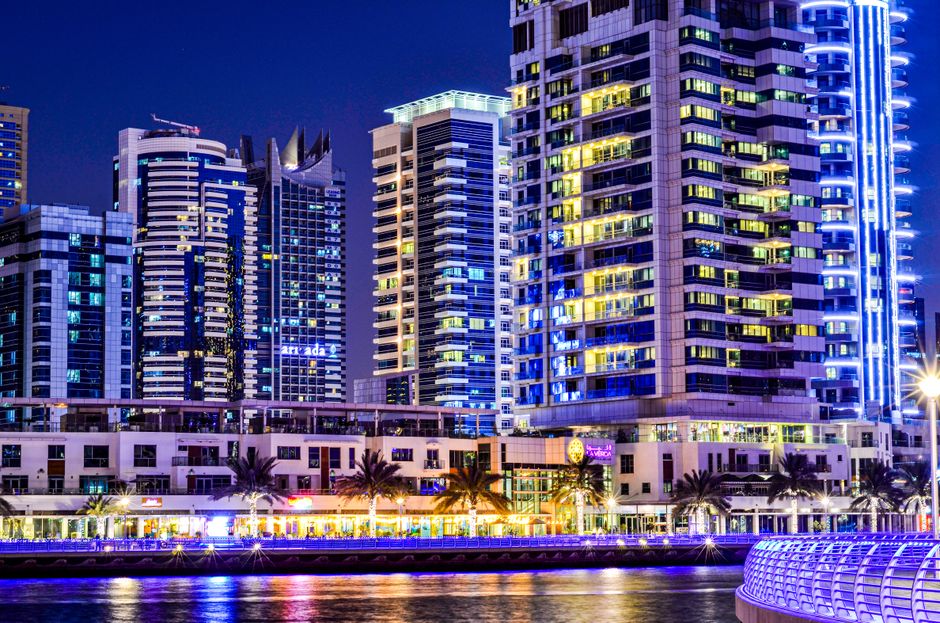
The waterfront appeal of JBR remains potent for holiday rentals and corporate tenants, though short-term regulation has tightened considerably. Long-term lettings there average 4-5% returns, but require patience finding tenants committed to annual contracts rather than seasonal visitors.
First-time buyers often overlook transaction costs. Agency commissions, registration fees, and municipal charges easily total 5-8% upfront—a hidden hurdle when calculating break-even timelines. Offset this by budgeting for maintenance (typically 5% of annual rent), insurance, and vacancy periods. Many newcomers assume 100% occupancy; realistic planning uses 90%.
Tenant quality varies sharply by neighbourhood and price point. Properties attracting corporate housing officers or visa-sponsored professionals tend toward longer, more stable tenancies. Conversely, budget segments can face higher turnover, driving up management overhead.
The regulatory environment also shapes strategy. The Real Estate Regulatory Agency (RERA) now enforces standardised lease templates and dispute-resolution protocols. These protections benefit landlords, but require compliance. New investors should familiarise themselves with RERA guidelines before listing; violations can delay rent collection or invite fines.
Location fundamentals remain paramount. Properties near metro stations, shopping districts like The Dubai Mall vicinity, or employment hubs—think Dubai Internet City or Dubai Media City—command steadier tenant demand. Conversely, off-plan developments in emerging zones may offer attractive entry prices but carry leasing risk until infrastructure matures.
Finally, avoid emotional attachment to aesthetics. Renters prioritise functionality: reliable utilities, secure parking, and proximity to schools or offices. A modest unit in a well-managed, strategically located building will outperform a showpiece apartment in a quieter zone.
Success in Dubai's rental market hinges not on luck, but on disciplined due diligence and realistic expectations. For first-time landlords willing to do the homework, yields remain attractive—provided you buy location and fundamentals, not dreams.
This article was compiled by AI from the sources linked above and screened before publishing. See our editorial standards.
How does this story make you feel?
Spread the word
About this article
Published by The Daily Dubai
Daily brief
Free, in your inbox before 7am. Weekdays.
More in Property