Dubai's luxury rental segment is experiencing a paradox. While the city's 10-year golden visa scheme continues to attract affluent overseas families, landlords in premium neighbourhoods are discovering that scarcity alone no longer guarantees premium yields. The Downtown Dubai and Palm Jumeirah markets—long considered recession-proof—are now grappling with softer conditions that are recalibrating expectations on both sides of the lease.
The numbers tell a nuanced story. Though average rental rates across Dubai hover around AED 1,600 per square foot, luxury properties in Downtown and the Palm have seen negotiating power shift subtly towards tenants. Landlords who previously commanded annual increases of 5-8 per cent are now offering incentives: free furnished packages, flexible lease terms, and even rent reductions for longer commitments. For tenants accustomed to bidding wars, this represents genuine breathing room.
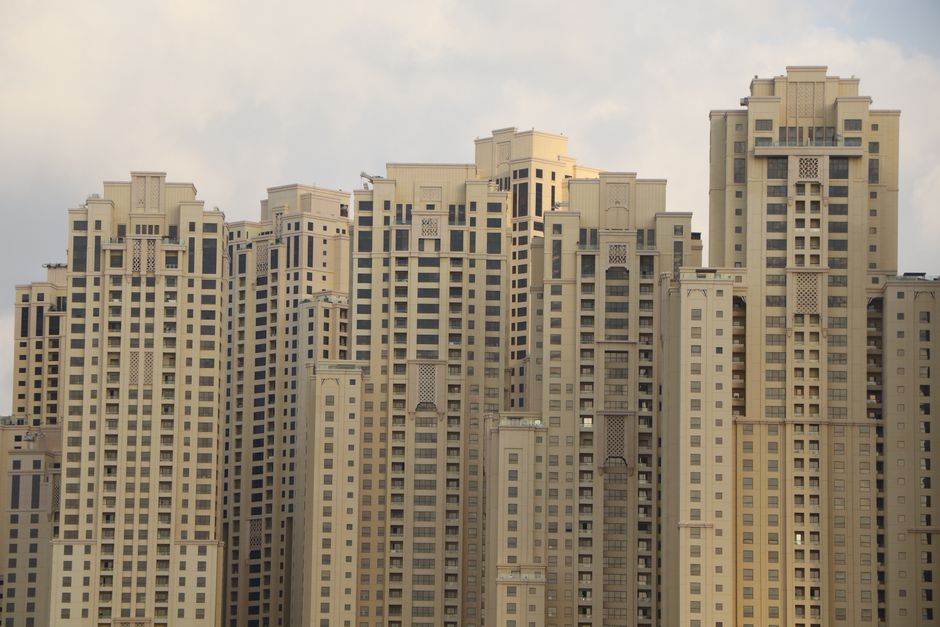
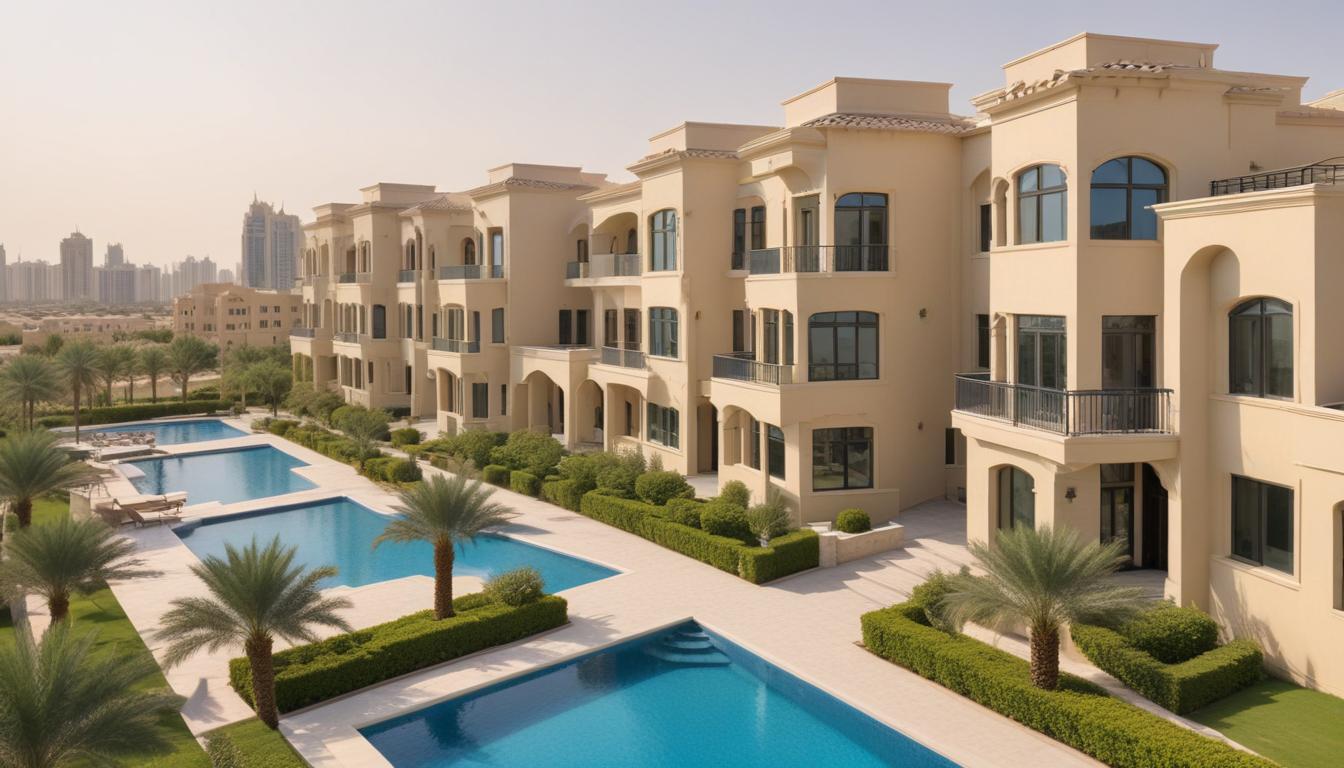
The phenomenon is most visible along the Palm's waterfront enclaves and in the high-rise clusters of Downtown, where competition for a finite pool of premium renters has intensified. Properties that commanded AED 200,000+ annually for three-bedroom apartments are increasingly vacant for longer periods, prompting owners to reconsider pricing strategies. Meanwhile, mid-range alternatives in Jumeirah Lake Towers and Jumeirah Village Circle continue offering competitive yields without the marketing headaches.
For tenants, particularly expatriate professionals and business owners drawn by Dubai's tax advantages, the market correction is welcome. The ability to negotiate lease terms—crucial for families with school-age children or entrepreneurs establishing regional headquarters—has improved materially. Some landlords are now bundling amenities previously considered separate: gym memberships, concierge services, even school transportation packages for properties in areas near leading institutions.
Landlords, however, face mounting pressure on cash flow. With turnover costs climbing and vacancy periods extending, many are reassessing whether their properties justify the premium positioning. Some are exploring repositioning strategies, moving towards furnished short-term rental arrangements or fractionalised ownership models, particularly in the Palm and Downtown segments.
Real estate consultancies tracking the sector note that the market remains fundamentally sound. The influx of golden visa holders continues, and Dubai's positioning as a regional business hub remains intact. Yet the luxury rental sector's recalibration signals a maturing market where neither landlords nor tenants can rely on previous assumptions. The winners will be those who adapt quickly—landlords who modernise amenities and improve tenant experience, and tenants willing to secure longer leases in exchange for meaningful reductions. For Dubai's prestige property market, that rebalancing may prove healthier than the imbalances that preceded it.
This article was compiled by AI from the sources linked above and screened before publishing. See our editorial standards.