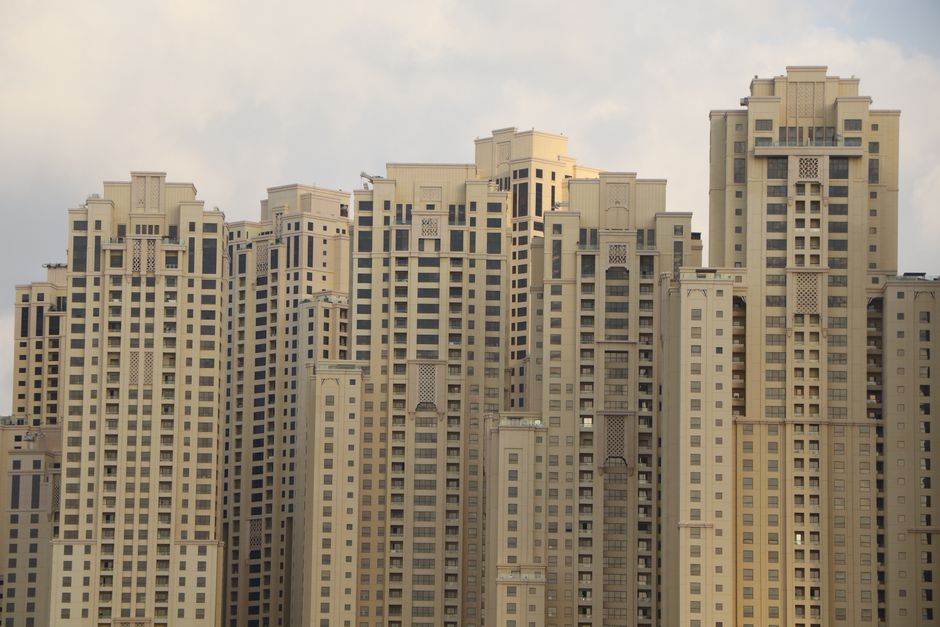
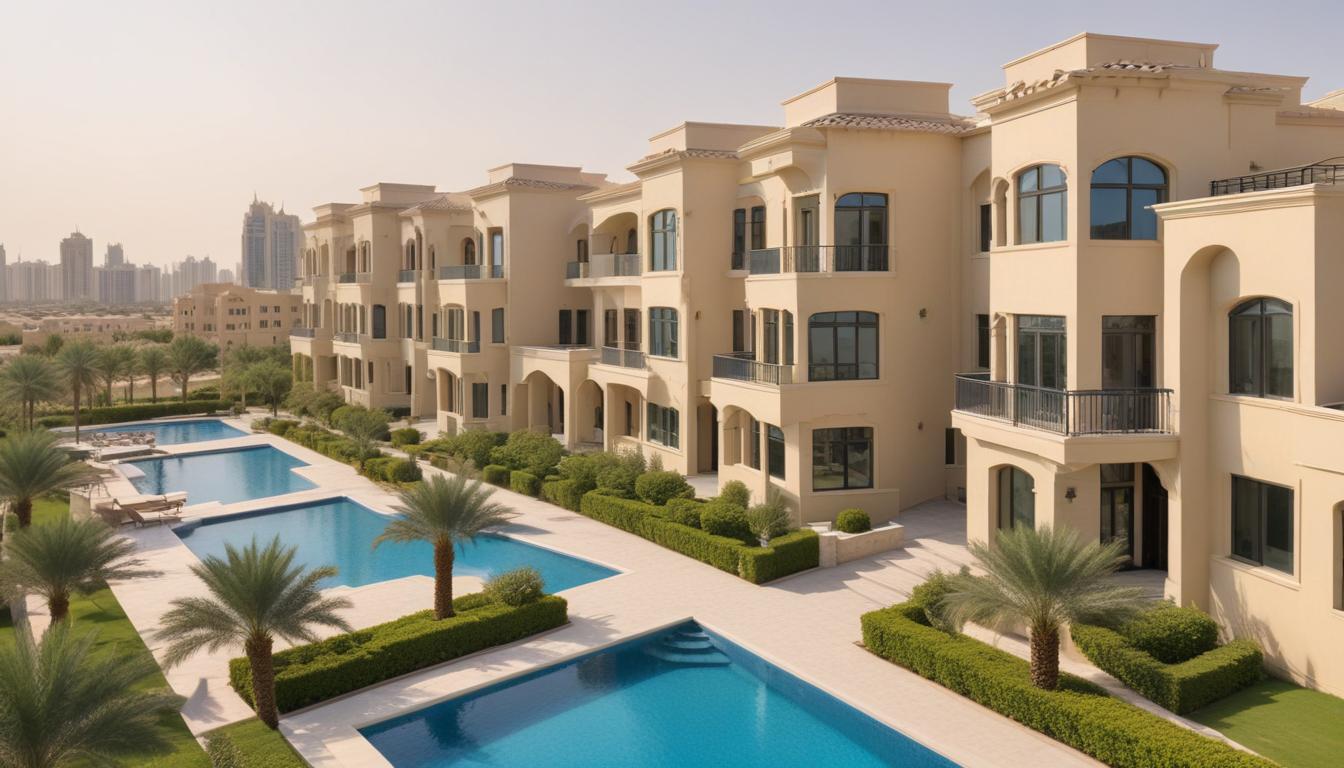
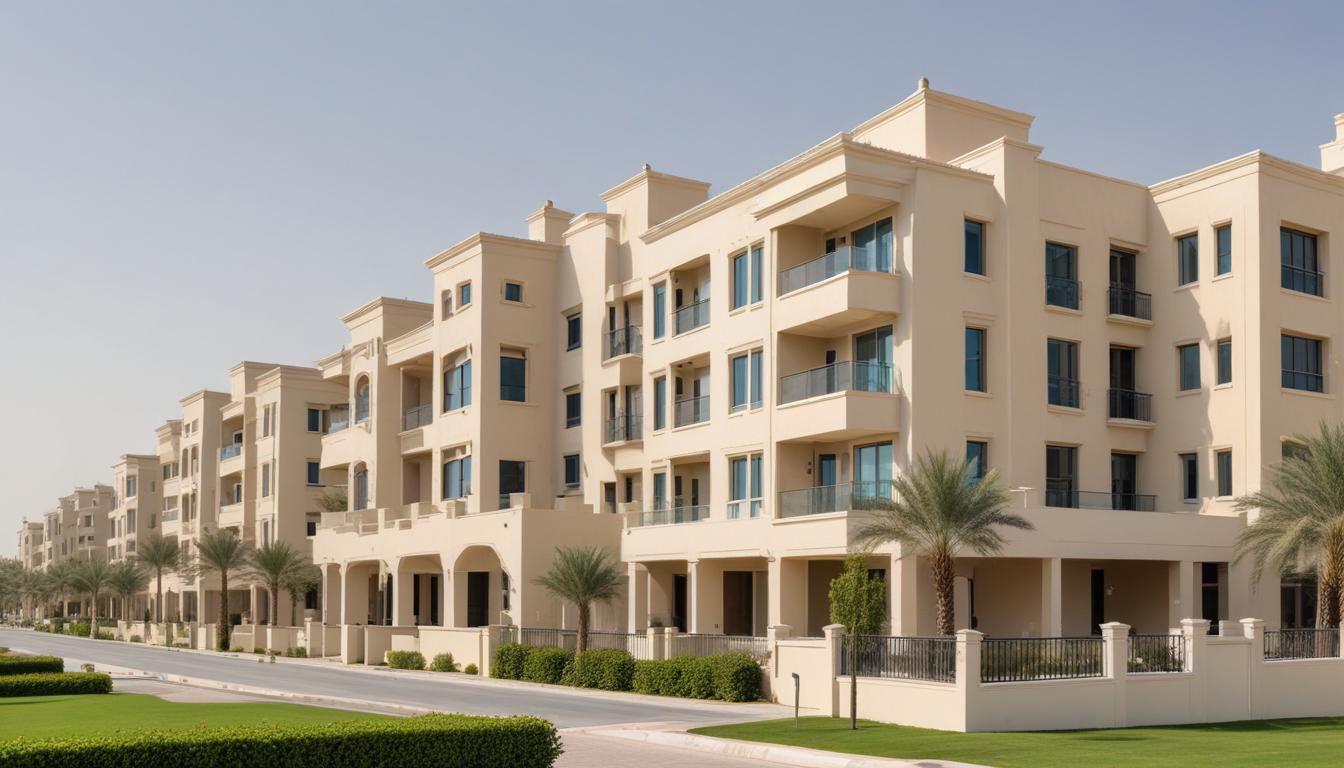
Dubai's ultra-luxury property landscape is undergoing a quiet but significant transformation, driven not by market sentiment alone but by a series of planning policy adjustments that are rippling through the emirate's most exclusive addresses.
Recent regulatory refinements to building density limits in Palm Jumeirah and Downtown Dubai have already begun filtering into pricing strategies and investor calculations. Developers operating on the Palm, traditionally commanding premiums of AED 3,500 to AED 5,000 per square foot for beachfront villas, now face tighter constraints on plot ratios and setback requirements. The effect has been paradoxical: while supply tightens, perceived scarcity is pushing select properties toward higher valuations, yet smaller feasible unit sizes are constraining per-project revenue potential.
The Real Estate Regulatory Agency's updated Master Plan 2040 amendments, which came into effect earlier this year, introduced new classifications for heritage waterfront zones—a category that now encompasses stretches of the Palm and portions of the Business Bay skyline. These designations mandate architectural review boards for any structure exceeding 25 storeys or occupying more than 15,000 square metres. For developers accustomed to faster approvals, the added 6-to-9-month vetting window represents both cost and uncertainty.
Downtown Dubai's luxury segment—where penthouses near the Burj Khalifa trade at AED 2,100 to AED 2,800 per sqft—has experienced moderate price stabilisation since the revised zoning frameworks were announced. Fewer new approvals for ultra-tall residential towers mean fewer competing luxury units entering the market over the next three to five years. This supply constraint has attracted international family offices seeking stable appreciation rather than speculative gains.
Meanwhile, the Government's extended 10-year golden visa scheme continues to underpin demand across premium corridors. Wealthy expat families, particularly from South Asia and the Levant, view Dubai's locked-in luxury parcels—especially those benefiting from the new heritage protections—as inflation hedges and generational anchors.
Industry observers note that the policy recalibration favours mature ultra-prime stock over off-plan speculation. Existing penthouse portfolios in established developments command larger buyer pools than pre-launch inventory dependent on future regulatory clarity. Sales velocity in Palm Jumeirah has slowed fractionally, yet average unit prices have edged upward.
For investors and developers, the message is clear: Dubai's prestige market is entering an era of quality-over-volume. Those holding approved projects or completed inventory have structural advantages. Those awaiting new permits face extended timelines and tighter profit margins—a shift that will likely reshape the competitive hierarchy of the ultra-luxury segment for the remainder of this decade.
This article was compiled by AI from the sources linked above and screened before publishing. See our editorial standards.