Dubai's rental market stands at a crossroads. With vacancy rates climbing across established mid-range pockets like Jumeirah Village Circle and The Lakes, property regulators are signalling that planning policy interventions—not market forces alone—will define tenant experience and landlord returns over the next three years.
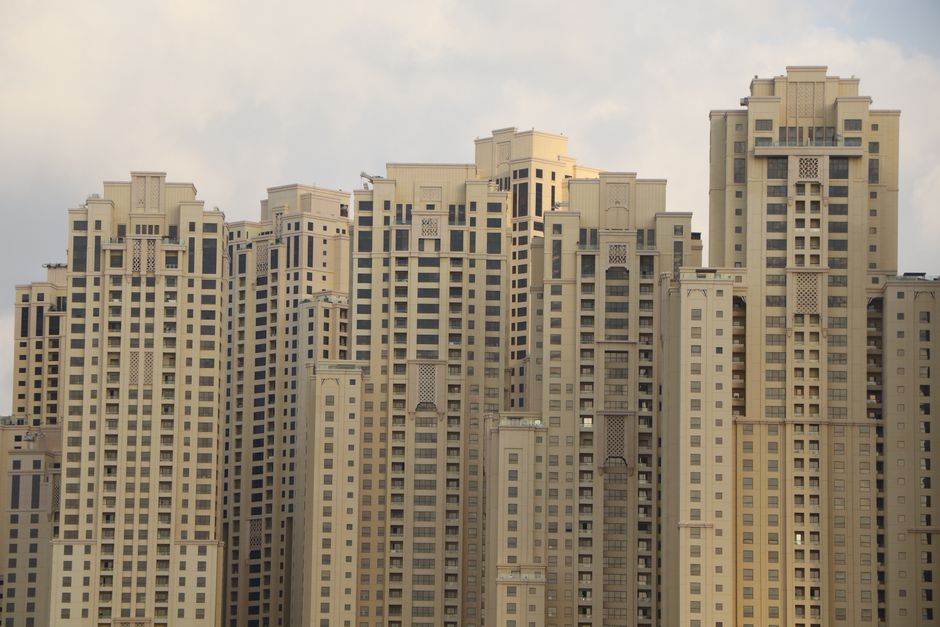
Recent decisions by Dubai Municipality and the Real Estate Regulatory Agency (RERA) reveal a deliberate shift. Last quarter, new guidelines restricted speculative residential approvals in oversupplied zones, effectively pausing development permits for additional units in areas where vacancy exceeds 12 per cent. Jumeirah Lake Towers, once a hotbed for investor activity, now faces tighter conversions. Meanwhile, Communities like Dubai Silicon Oasis—traditionally yielding 4.5–5.5 per cent annually—are experiencing compression as tenant competition softens.
The policy calculus reflects deeper concerns. The 10-year golden visa scheme, launched in 2021, accelerated demand unevenly: Downtown Dubai and Palm Jumeirah absorbed high-value renters, while secondary markets absorbed speculative supply. Average asking rents in JVC have dipped 8–12 per cent since 2024, according to market monitors. Landlords accustomed to 6 per cent yields now negotiate 4.8–5.2 per cent, with longer vacancy windows between tenancies.
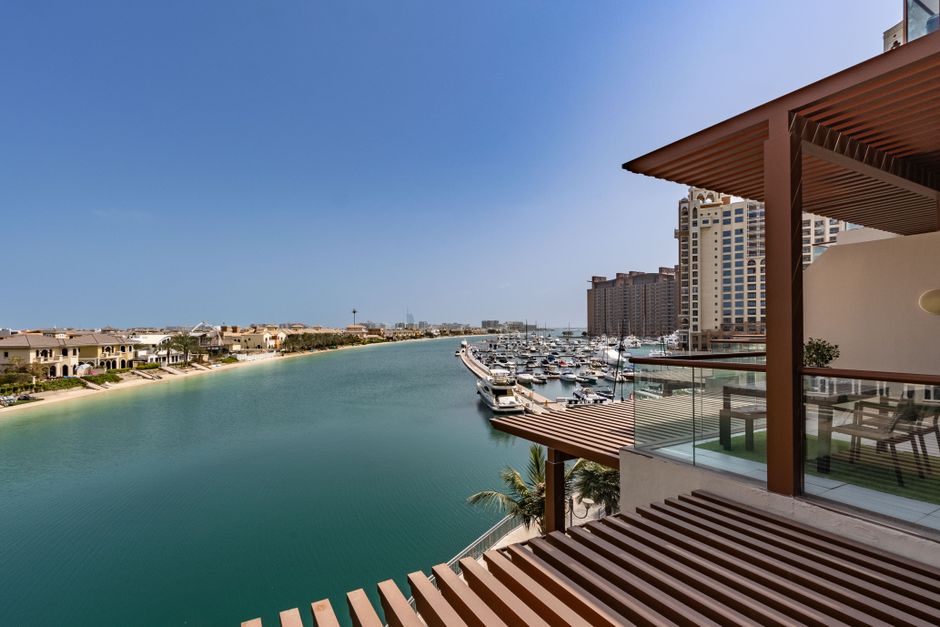
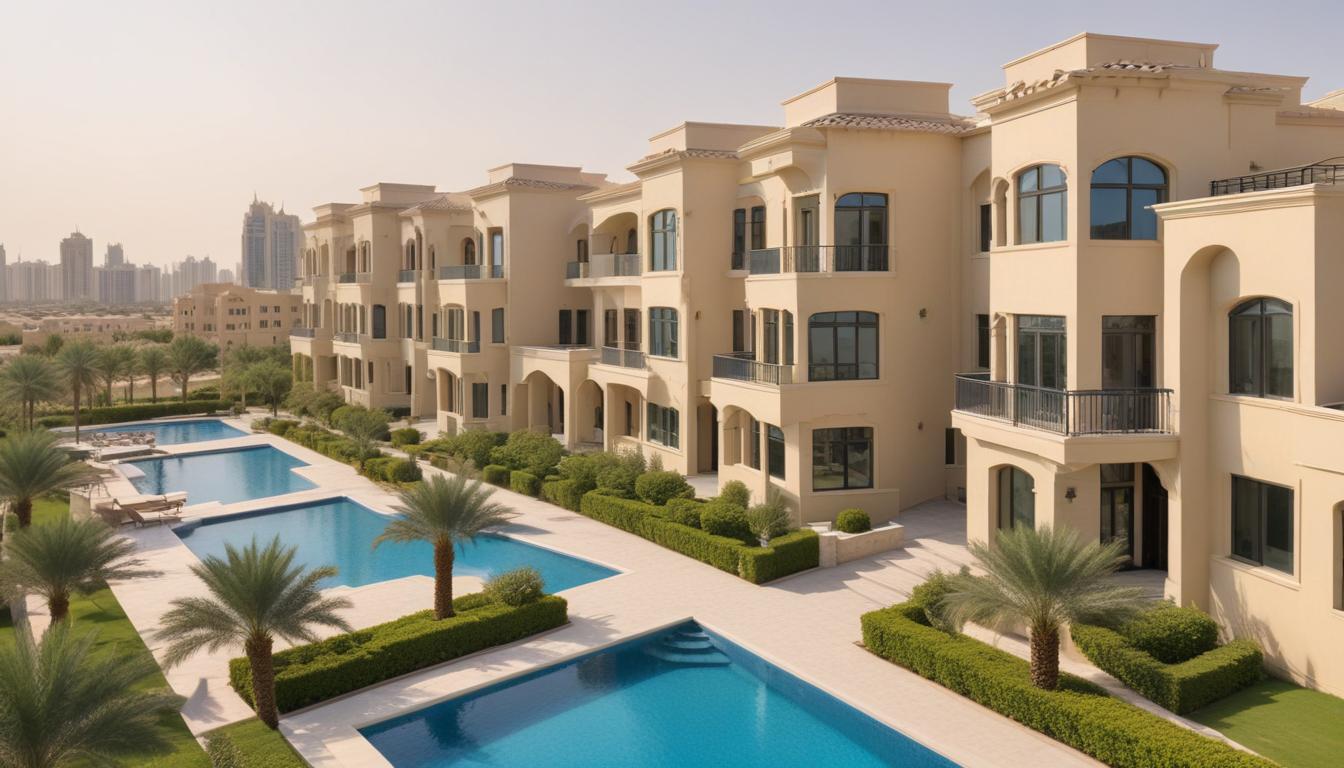
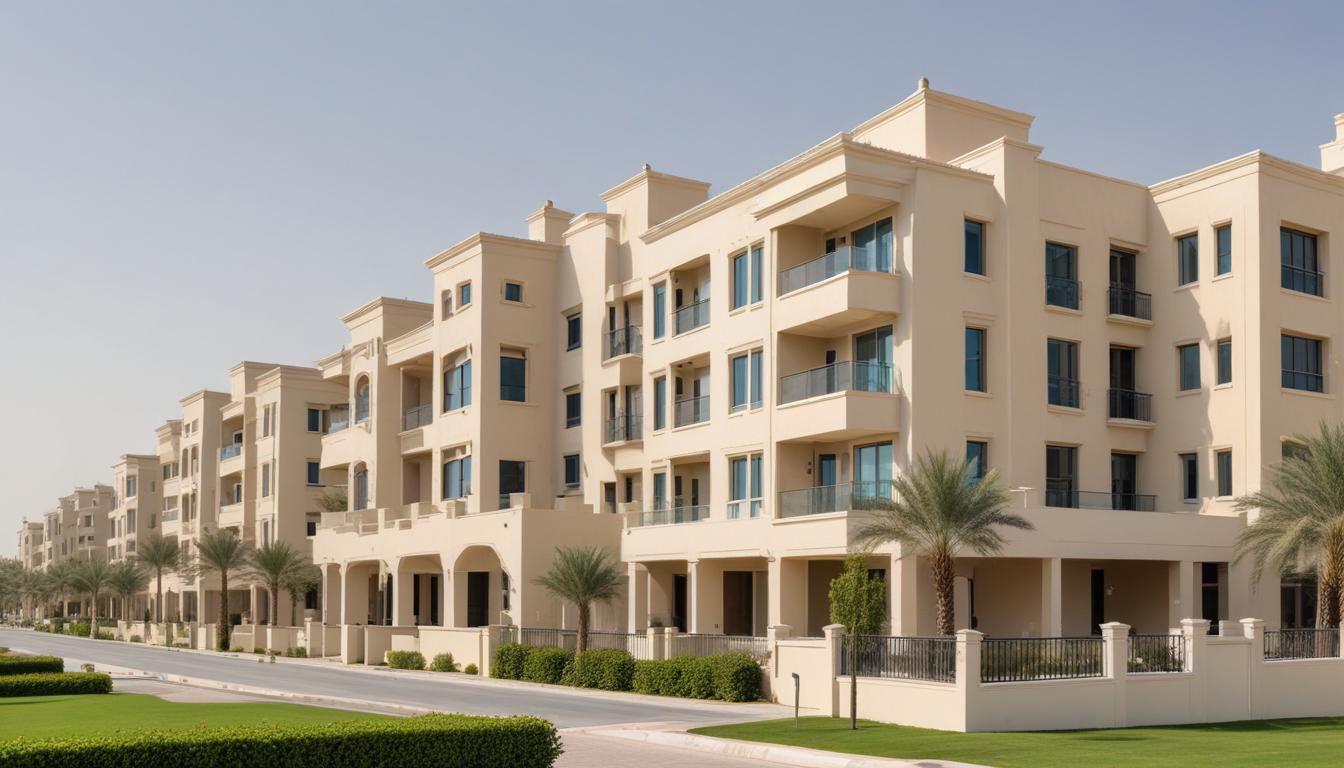
But regulation is creating winners too. By capping new supply approvals, planners are effectively supporting prices in mature, infrastructure-rich zones. Barsha Heights and Arabian Ranches—where schools, retail and transport networks anchor demand—are seeing stabilisation. The Sustainable City, developed with explicit sustainability covenants, maintains tighter occupancy partly because planning conditions restrict rapid unit turnover and encourage longer-term resident commitment.
For tenants, the implications are mixed. Tighter regulation means less downward pressure on rents in the medium term; the days of aggressive landlord concessions are fading. However, improved planning discipline—enforced occupancy standards, building code compliance inspections—is nudging rental quality upward, particularly in older stock across International City and older JBR waterfront towers undergoing retrofits.
RERA's latest guidance, released May 2026, now requires landlords to register all vacant units above 60 days, flagging them for potential regulatory scrutiny. The intent: discourage artificial scarcity tactics while encouraging realistic pricing.
Investors watching Dubai's 1,600 AED per square foot benchmark should prepare for a bifurcated market: premium addresses with structural demand remain resilient, while bulk-supply mid-range areas face a three-year recalibration. Planning policy, increasingly, is the mechanism shaping that divide.
This article was compiled by AI from the sources linked above and screened before publishing. See our editorial standards.