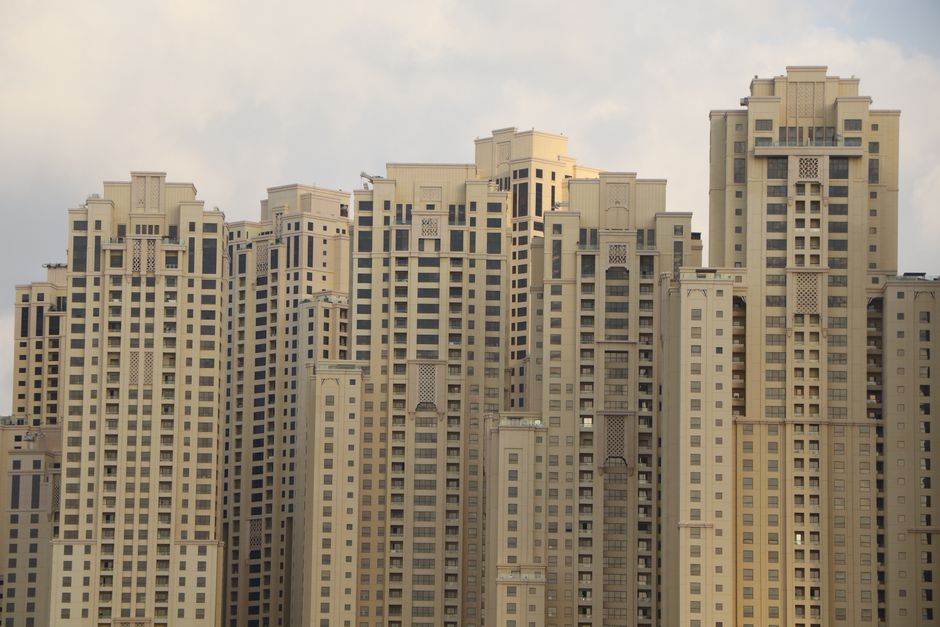
What Dubai's Latest Price Data and Auction Results Are Signalling About the Market's Next Move
Recent transaction patterns and forced sales reveal a bifurcated market: luxury segments holding firm while mid-range segments face fresh headwinds.
Recent transaction patterns and forced sales reveal a bifurcated market: luxury segments holding firm while mid-range segments face fresh headwinds.
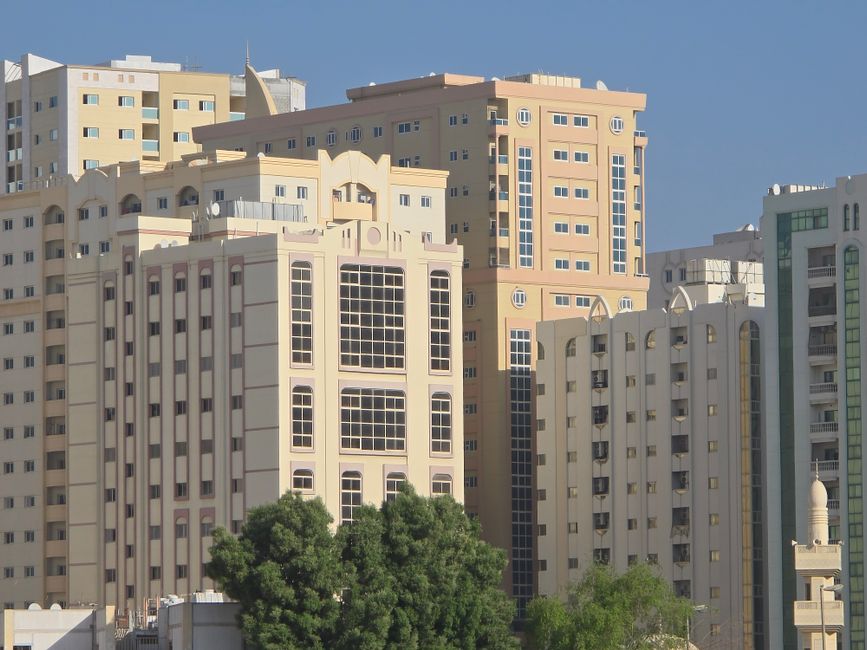
Dubai's property market is sending mixed signals as we move into the second half of 2026, and the data tells a story far more nuanced than headline prices suggest. Auction results from the Dubai Land Department and transaction volumes across key communities are painting a picture of a market in selective contraction, where location and price point matter more than ever.
The luxury segment continues to defy gravity. Waterfront properties in Palm Jumeirah and Emirates Hills remain anchored above AED 2,500 per square foot, with recent auctions of distressed assets still attracting competitive bidding. However, the broader mid-range—traditionally the market's engine—is flashing caution. Properties in JBR, JVC, and JLT, which had hovered between AED 1,400 and AED 1,800 per sqft, are now experiencing downward pressure as forced sales inject supply into a segment already struggling with affordability constraints.
What's particularly telling is the velocity of transactions. In May 2026, auction turnover in Arabian Ranches and Dubai Marina showed a 12% month-on-month decline compared to the same period last year. Properties spending longer on the market aren't necessarily dropping in asking price—instead, developers and sellers are holding, anticipating improved conditions in Q4. This artificial supply constraint masks underlying softness in buyer appetite for properties priced above AED 2 million.
The golden visa effect, which drove demand through 2024 and early 2025, appears to have plateaued. While long-term residency requirements continue attracting overseas investment, recent data from ADIB and FAB mortgage portfolios suggests first-time buyers—traditionally stabilising forces in mid-range segments—are being priced out. Average financing ratios have tightened, with banks now requiring stronger down payments on non-prime locations.
Downtown Dubai and the Business Bay corridor present a microcosm of this dynamic. Studio and one-bedroom units that commanded AED 1,600 per sqft in early 2025 are now transacting closer to AED 1,500, a shift that signals buyer resistance at previous price points rather than panic selling. By contrast, trophy assets—penthouses in the Burj Khalifa zone, beachfront villas in Emirates Hills—remain firm, insulated by international demand.
What does this mean for the next 12 months? Auction data suggests we're entering a period of price discovery rather than collapse. Forced sales and mortgage stress cases will continue to pressure mid-market segments, but luxury segments should remain anchored by global wealth flows and limited supply. The real barometer will be how aggressively developers price new launches in Q4—if they target affordability, it signals confidence. If they anchor on older highs, it reveals concern about underlying demand.
This article was compiled by AI from the sources linked above and screened before publishing. See our editorial standards.
How does this story make you feel?
Spread the word
About this article
Published by The Daily Dubai
Daily brief
Free, in your inbox before 7am. Weekdays.
More in Property