Dubai's rental market has entered a phase of uncomfortable equilibrium. For years, landlords enjoyed the upper hand in a supply-constrained environment where golden visa holders and corporate relocations fuelled consistent demand. Today, that dynamic is reversing, and both sides are feeling the pressure.
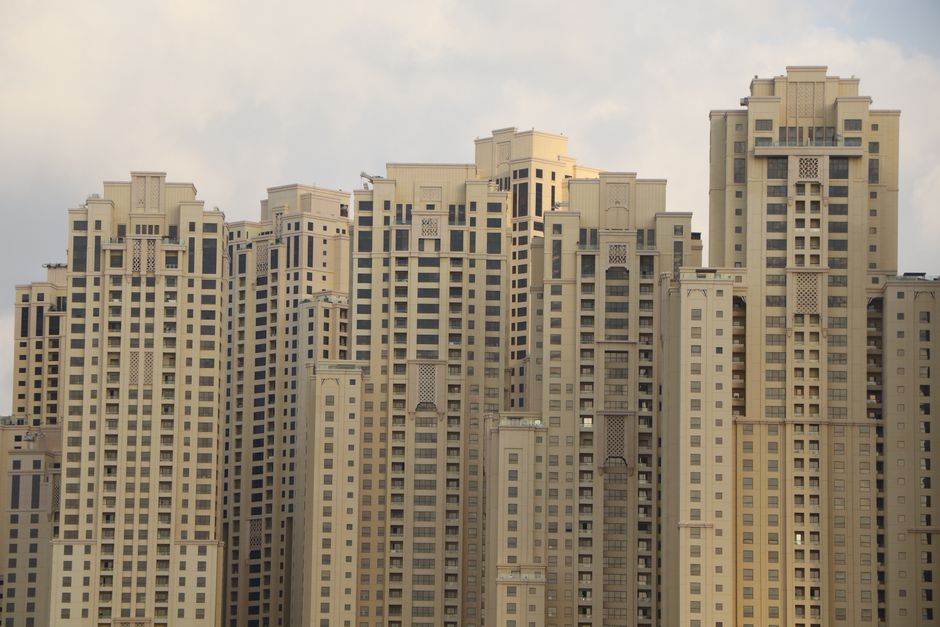
The numbers tell the story. Average rents across Dubai have plateaued around AED 1,600 per square foot, with some neighbourhoods experiencing marginal declines. In established mid-range clusters like Jumeirah Village Circle and Jumeirah Lake Towers—historically reliable yield generators—landlords report longer vacancy periods and increased tenant negotiation on annual rates. What once commanded 5–6% gross yields now struggles to deliver 4.5%, squeezing margins for investors banking on consistent cash flow.
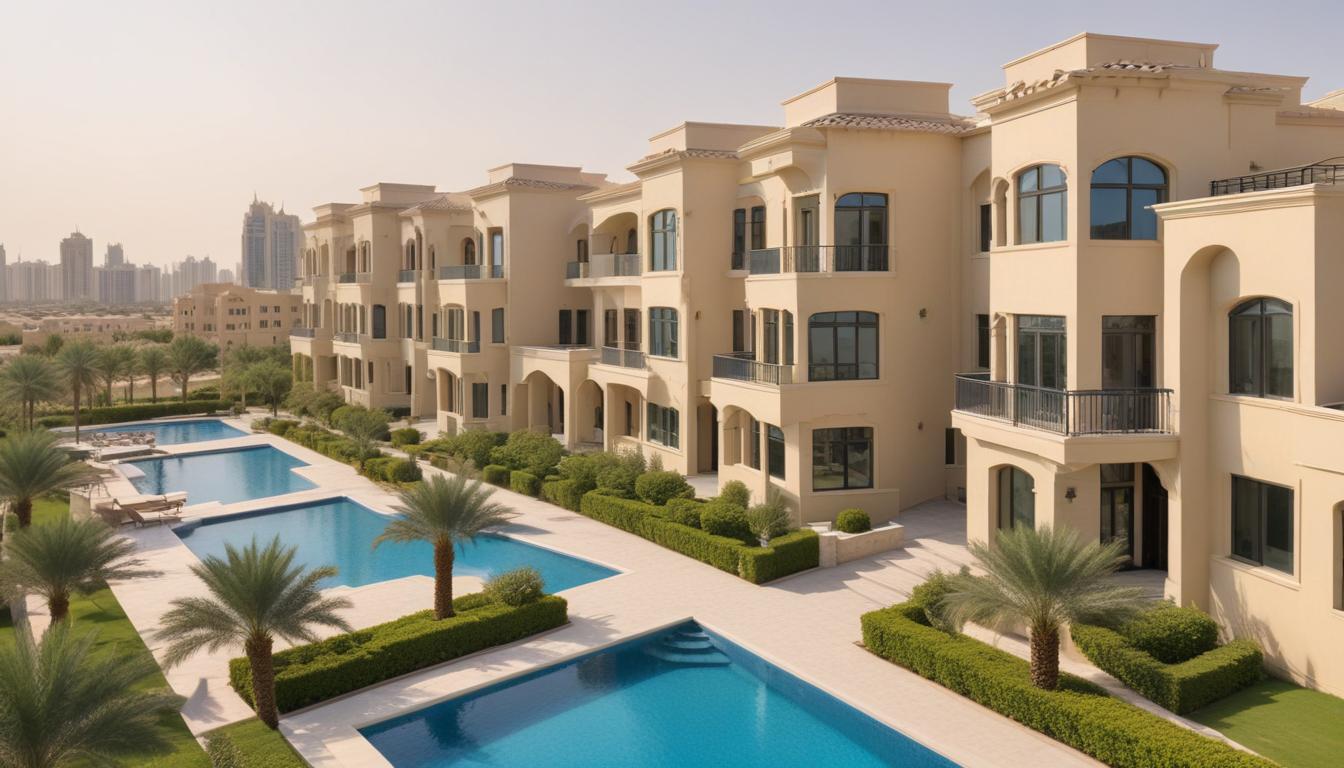
The pressure is reshaping behaviour on both sides. Savvy tenants are leveraging options they didn't have 18 months ago. Families seeking three-bedroom villas in Arabian Ranches or communities along Sheikh Mohammed bin Zayed Road are now securing rental reductions of 5–10% simply by demonstrating alternative offers. Corporate expats relocating to Dubai are negotiating flexible lease terms—something previously unthinkable in a landlord-favourable market.
For property owners, adaptation has become essential. Standard annual increments—once a given—are now negotiable. Some landlords in JBR and Deira are offering furnished units or flexible lease lengths (6-month terms instead of the traditional 12) to attract and retain tenants. Property management firms report increased enquiries about renovation investments designed to justify rate premiums, suggesting owners recognise cosmetic upgrades may be necessary to compete.
Downtown Dubai and Palm Jumeirah luxury segments remain insulated somewhat, where international buyer-investors and ultra-high-net-worth tenants sustain demand. Yet even here, the conversation has shifted toward service amenities and maintenance transparency as differentiators.
The confluence of increased housing supply, the normalisation of remote work patterns, and the golden visa programme's success in attracting longer-term residents has fundamentally altered market psychology. Tenants no longer assume annual rent increases; landlords can no longer assume tenant loyalty.
For property investors recalibrating expectations, the message is clear: yield sustainability now depends on operational excellence—responsive maintenance, transparent communication, and strategic pricing rather than across-the-board annual hikes. The Dubai rental market's maturation, while challenging traditional investment models, is ultimately creating a more balanced, predictable environment for both parties willing to adapt.
This article was compiled by AI from the sources linked above and screened before publishing. See our editorial standards.