Dubai's Rental Vacancy Crisis: What's Really Driving Prices and What Tenants Must Know Now
As vacancy rates tighten across key neighbourhoods, renters face shrinking choice and rising costs—here's where the market is heading.
As vacancy rates tighten across key neighbourhoods, renters face shrinking choice and rising costs—here's where the market is heading.

Dubai's rental market has entered a new phase. While headlines often focus on villa sales in Emirates Hills or penthouse launches along the Palm, the real story unfolding is in the middle market, where thousands of tenants are discovering that affordable, available space is becoming scarce.
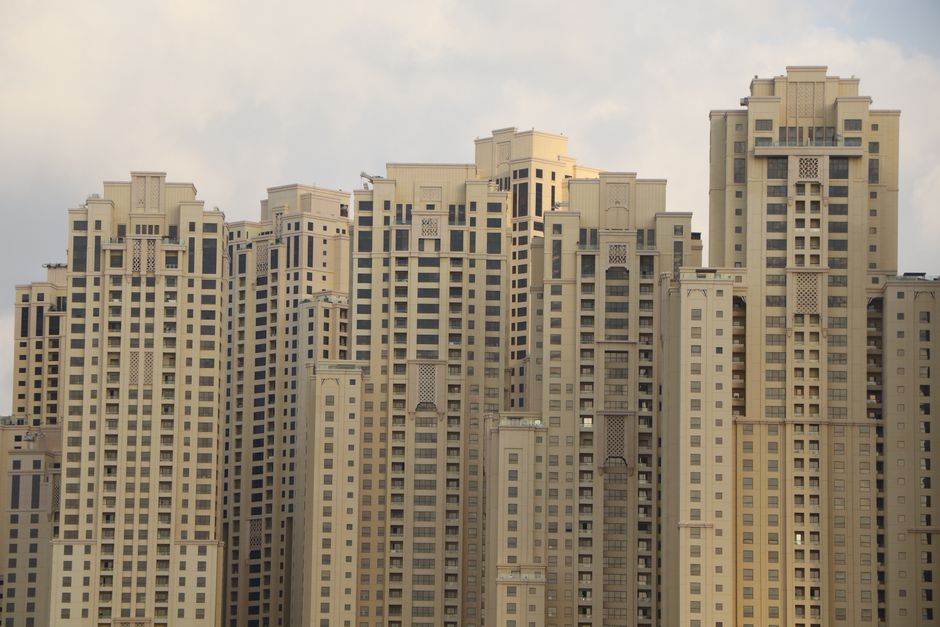
The vacancy squeeze is real. In traditionally high-supply areas like JBR and The Walk, landlords who held firm on asking rates during softer periods are now seeing genuine demand outpace units listed. Waterfront studio rents have edged from AED 45,000 annually towards AED 52,000–65,000, with one-bedroom units commanding AED 70,000–85,000. That's not luxury pricing, but it reflects tightening availability.
Three factors are driving this shift. First, the 10-year golden visa initiative has created permanent residency for over 200,000 professionals since its 2021 launch. These visa holders are building roots, shifting from short-term hotel serviced apartments to long-term rentals. Second, conversion of older rental stock to off-plan sales—particularly in Jumeirah Lake Towers and Dubai Sports City—has reduced tenant supply in mid-range segments. Third, international relocations from markets like Lebanon, Pakistan, and India have spiked demand for furnished and unfurnished units in communities offering both affordability and amenities.
What does this mean for renters now? Location matters more than ever. JVC and JLT still offer yields and supply relative to demand, with competitive studio options around AED 40,000–50,000. But if you're targeting JBR, Downtown Dubai, or Marina waterfront apartments, expect faster negotiations and less flexibility on lease terms. Landlords are increasingly requesting six-month advance payments or insisting on annual upfront commitment.
For prospective tenants, timing is everything. The summer months (June through August) traditionally see higher vacancy as expat families relocate for holidays or schooling. Negotiation leverage peaks now—landlords are keen to fill units before September's back-to-school and new-financial-year rush. By October, the market typically tightens sharply.
Industry observers note that Dubai Land Department registrations remain strong, suggesting underlying demand isn't artificial. The real issue is velocity: supply can't match the pace of inbound professionals seeking residency and families qualifying for the golden visa scheme.
For buyers considering investment, the message is simple. Rental yields remain healthy—averaging 4–5 per cent across mid-range segments—but tenant scarcity is shifting negotiating power to landlords. Properties in established, connected communities will continue appreciating faster than newer, remote locations. The golden visa effect isn't slowing; it's accelerating into 2027.
This article was compiled by AI from the sources linked above and screened before publishing. See our editorial standards.
How does this story make you feel?
Spread the word
About this article
Published by The Daily Dubai
Daily brief
Free, in your inbox before 7am. Weekdays.
More in Property