What Dubai's Affordable Housing Auctions Are Really Signalling About the Market
Recent price movements in mid-market properties across JVC and JLT reveal where genuine affordability gains—and fresh policy challenges—are emerging.
Recent price movements in mid-market properties across JVC and JLT reveal where genuine affordability gains—and fresh policy challenges—are emerging.
Dubai's affordable housing conversation has shifted from rhetoric to data. And the numbers emerging from recent auction activity and secondary market transactions tell a story that policy makers and investors alike are watching carefully.
Over the past eighteen months, Dubai Land Department auction results have shown a persistent softening in the AED 600–900 per square foot segment—the price band that traditionally defines middle-income accessibility across Jumeirah Village Circle and Jumeirah Lake Towers. Properties that might have commanded AED 850/sqft in 2024 are now settling between AED 720–780/sqft, according to transaction data tracked across major portals. That 8–15% downward adjustment isn't noise; it's a structural signal.
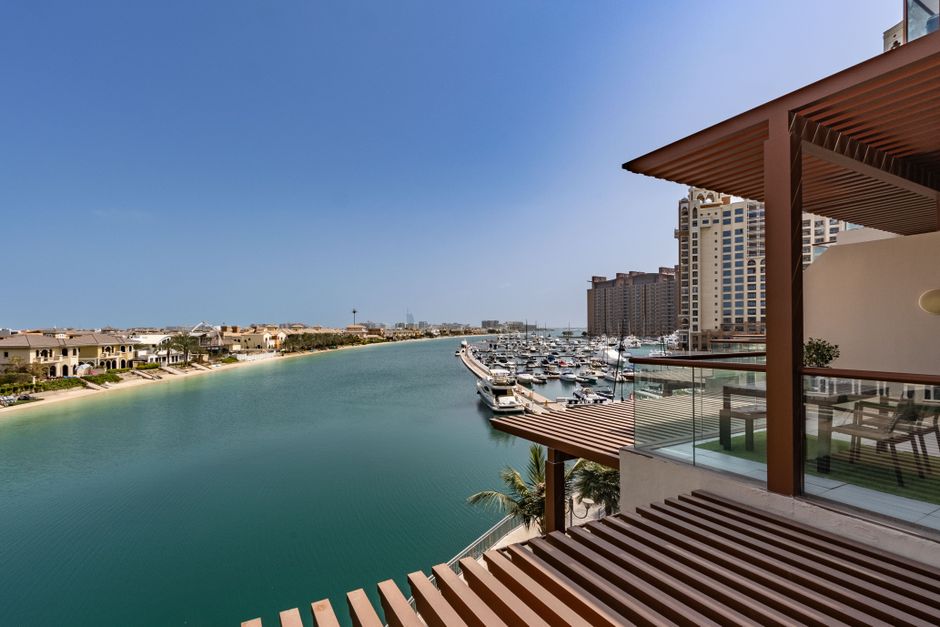
The underlying story is nuanced. The 10-year golden visa scheme has pushed demand upmarket, particularly in Downtown Dubai and Palm Jumeirah, where luxury units continue to command premium multiples. Meanwhile, middle-market segments—traditionally where families on AED 150,000–250,000 annual income compete for entry—are experiencing genuine relief for the first time in several years.
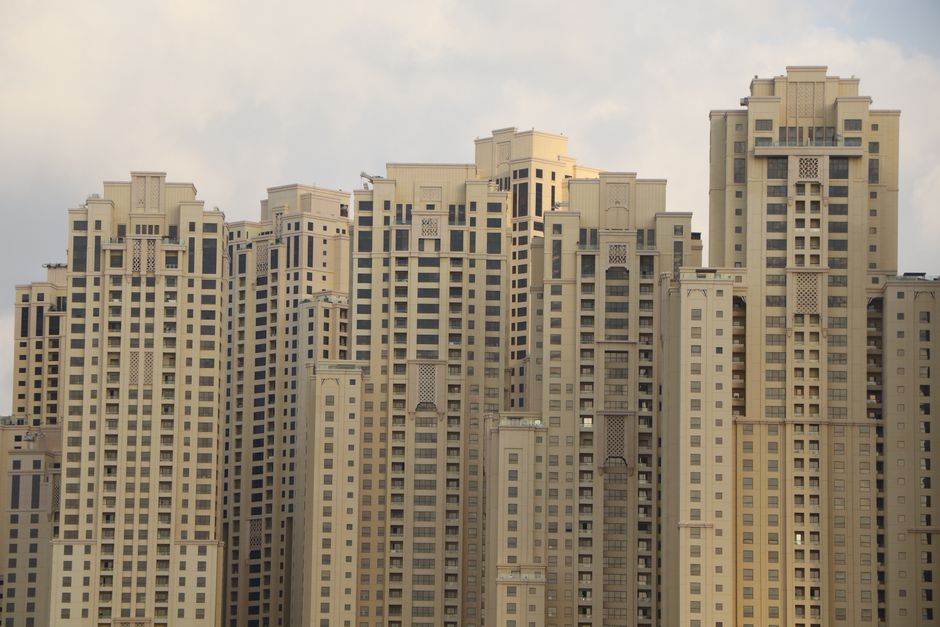
JVC, historically positioned as an aspirational but achievable neighbourhood, is seeing 2-bedroom units (1,200–1,400 sqft) trade at AED 850,000–950,000, compared to AED 1.1–1.3 million in 2023. JLT waterfront studios have similarly normalized from AED 380,000 to AED 320,000–350,000. These aren't nominal declines; they represent measurable headroom for first-time buyers and mid-market investors.
What's signalling louder still is where auctions are failing. Premium 3-bedroom units in JBR—a bellwether for upper-middle-class pricing—are seeing increased pass-ins and extended marketing cycles. That congestion at the luxury threshold is deliberate; it's funnelling capital into more affordable brackets, exactly as healthy market correction should.
Policy implications are sharpening too. Dubai's Real Estate Regulatory Authority (RERA) and the Land Department have quietly adjusted guidance around affordable housing definitions, recognizing that AED 1 million can now secure substantively better stock than eighteen months prior. The emerging consensus appears to be that market-driven correction may achieve what subsidy debates could not: genuinely broader accessibility without overt intervention.
The auction data, read carefully, suggests that the next phase of Dubai's residential evolution won't be defined by golden visas or ultra-luxury supply, but by how aggressively middle-market segments can consolidate these gains before capital inevitably seeks the next frontier. For the first time in years, price signals and policy alignment are pointing the same direction.
This article was compiled by AI from the sources linked above and screened before publishing. See our editorial standards.
How does this story make you feel?
Spread the word
About this article
Published by The Daily Dubai
Daily brief
Free, in your inbox before 7am. Weekdays.
More in Property