Dubai's affordable housing sector has quietly become a testing ground for investor returns that challenge the luxury-first narrative dominating local real estate. With the emirate's 10-year golden visa programme driving sustained demand, and average properties across the city trading at AED 1,600 per square foot, the economics of mid-market residential schemes are finally delivering measurable yield data worth examining.
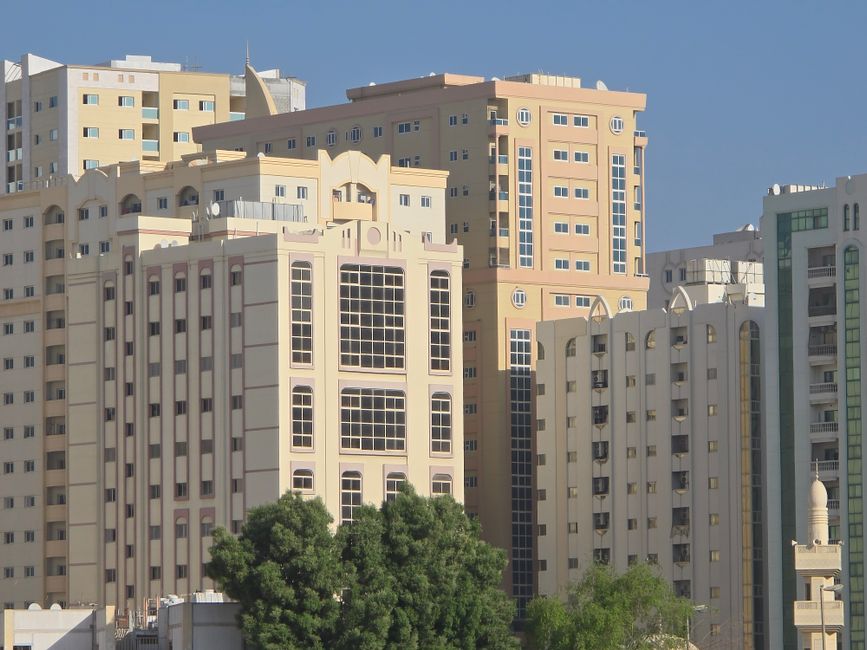
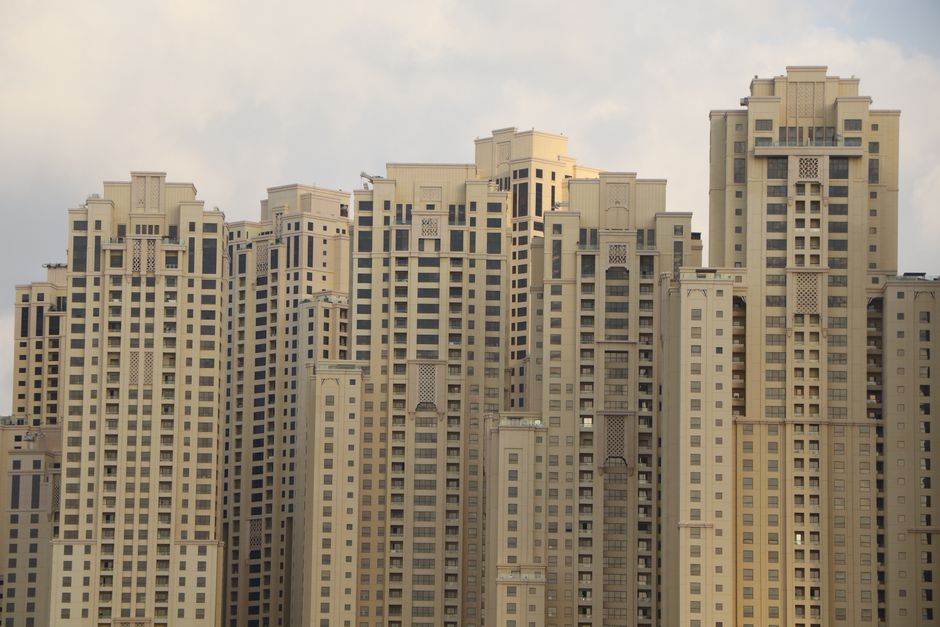
Jumeirah Village Circle (JVC) and Jumeirah Lake Towers (JLT) have emerged as the bellwethers. Properties in these zones—marketed toward families and first-time investors rather than ultra-high-net-worth buyers—are generating annual rental yields between 4.5% and 5.8%, according to recent market analysis. A two-bedroom apartment purchased at AED 750,000 in JVC three years ago is now commanding monthly rents of AED 3,200 to AED 3,500. That's a far cry from Downtown Dubai's luxury penthouses, but the consistency matters.
The Dubai Land Department's initiatives promoting affordable units have inadvertently created a predictable tenant pool. Young professionals on golden visas, mid-career expats, and small families—demographics with lower churn rates than transient luxury renters—occupy these properties at higher occupancy rates. Data from the Real Estate Regulatory Agency shows that JVC and JLT residential units maintain 92-95% occupancy year-round, compared to 87% citywide averages.
What's shifting the conversation, however, is capital appreciation. Properties acquired at AED 850–900 per square foot in JVC between 2022 and 2023 have appreciated 8-12% in resale value. Factor in rental yield, and total returns hover around 13-17% annually for patient investors—competitive with retail-focused real estate in established markets.
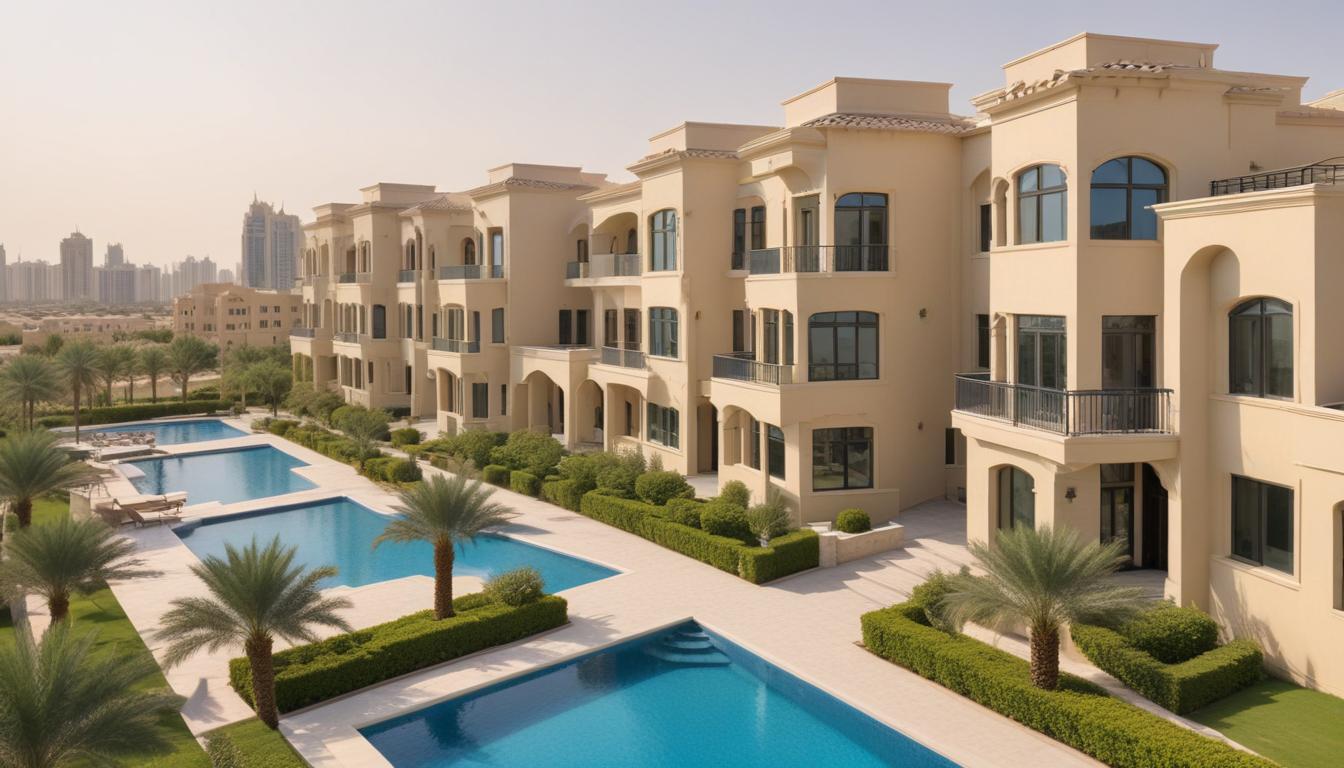
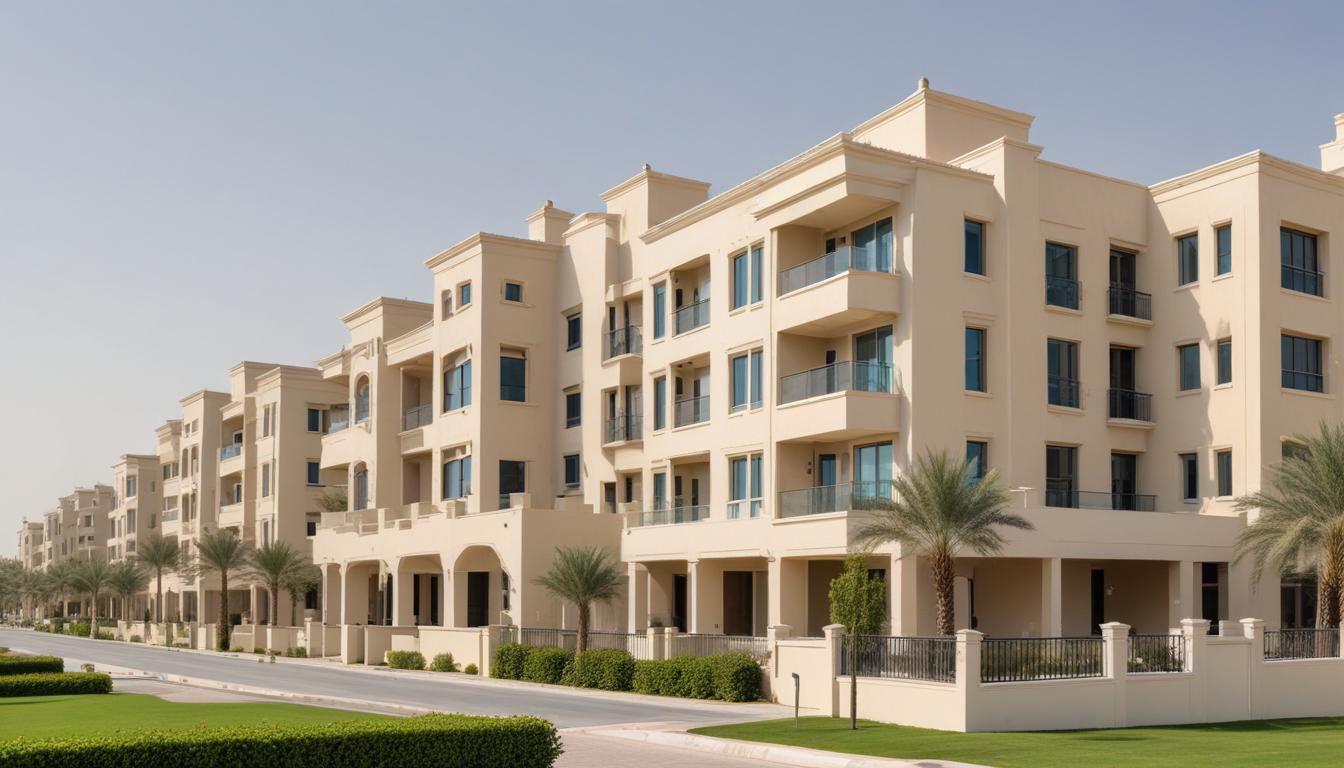
The Dubai Municipality's recent push for mixed-income residential zones—particularly initiatives around Arabian Ranches and suburban corridors towards Dubailand—signals policy makers recognise this segment's viability. Mortgage accessibility has also improved; major UAE banks now offer 80% loan-to-value on affordable units under AED 1 million, versus 75% for luxury properties.
Yet risk remains. Oversupply in mid-range studios and one-bedrooms across JBR and Downtown poses downward pressure on rents. Economic sensitivity—visa cancellations during sector downturns—can spike vacancies quickly. Smart investors are gravitating towards family-sized units (two and three-bedroom configurations) where supply lags demand.
The verdict: Dubai's affordable housing isn't flashy. But for yield-focused investors willing to accept 4-6% annual returns and moderate appreciation, the numbers suggest a maturing market with genuine fundamentals—and staying power.
This article was compiled by AI from the sources linked above and screened before publishing. See our editorial standards.