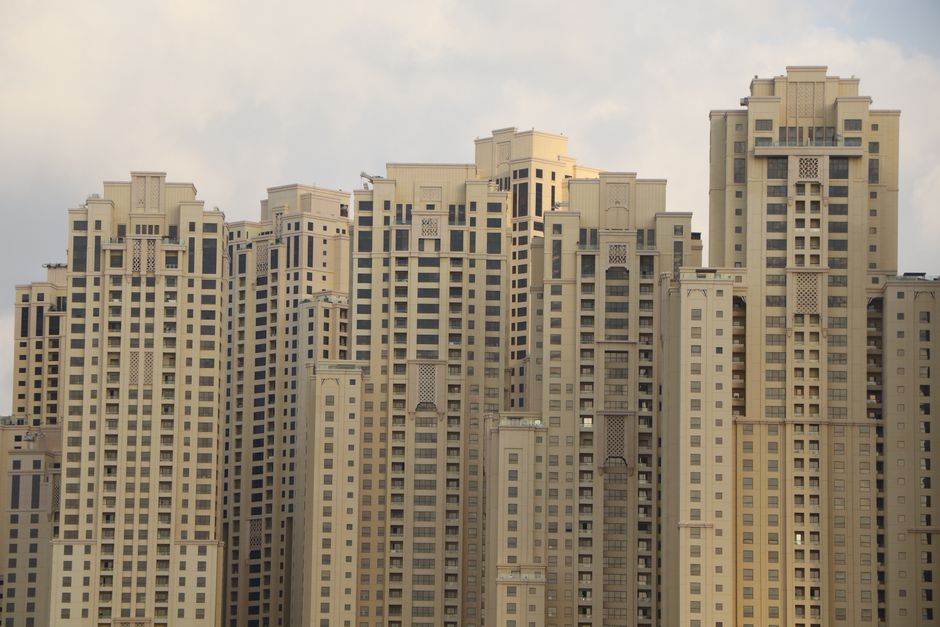
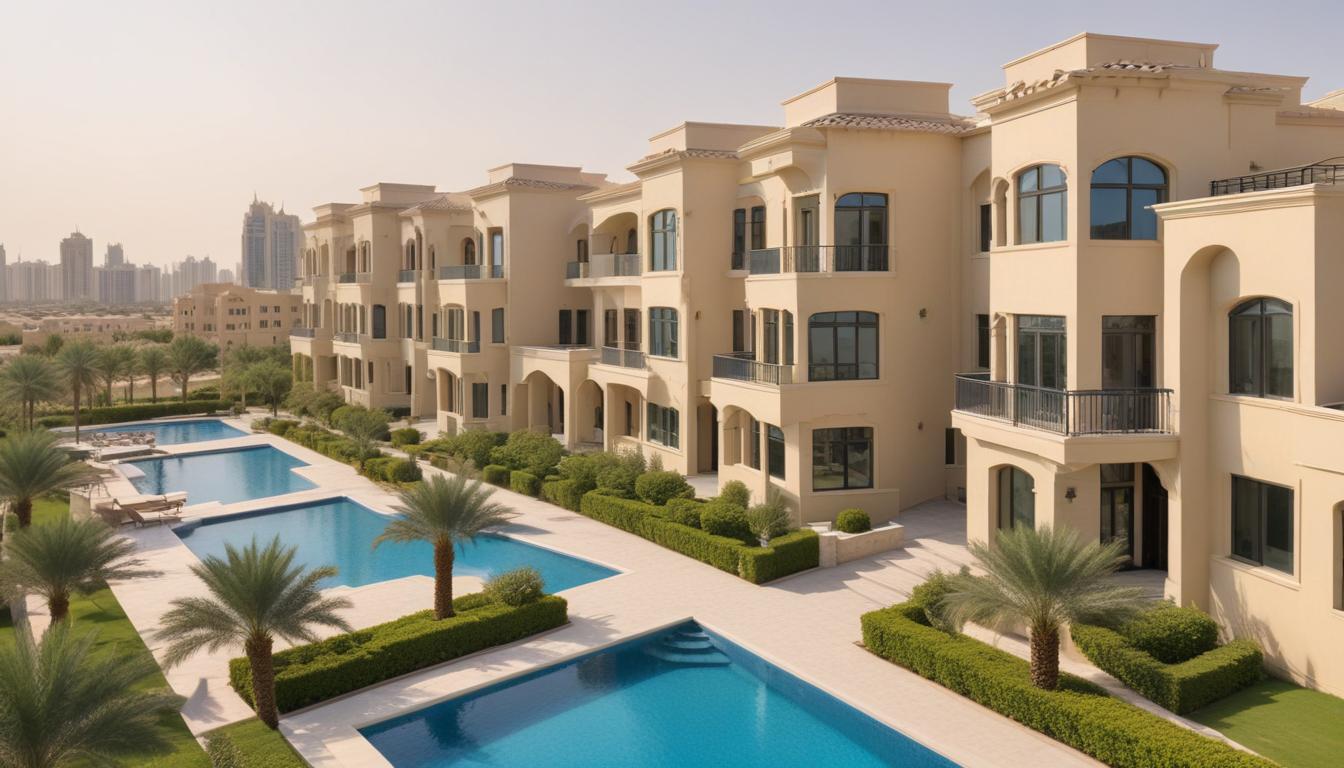
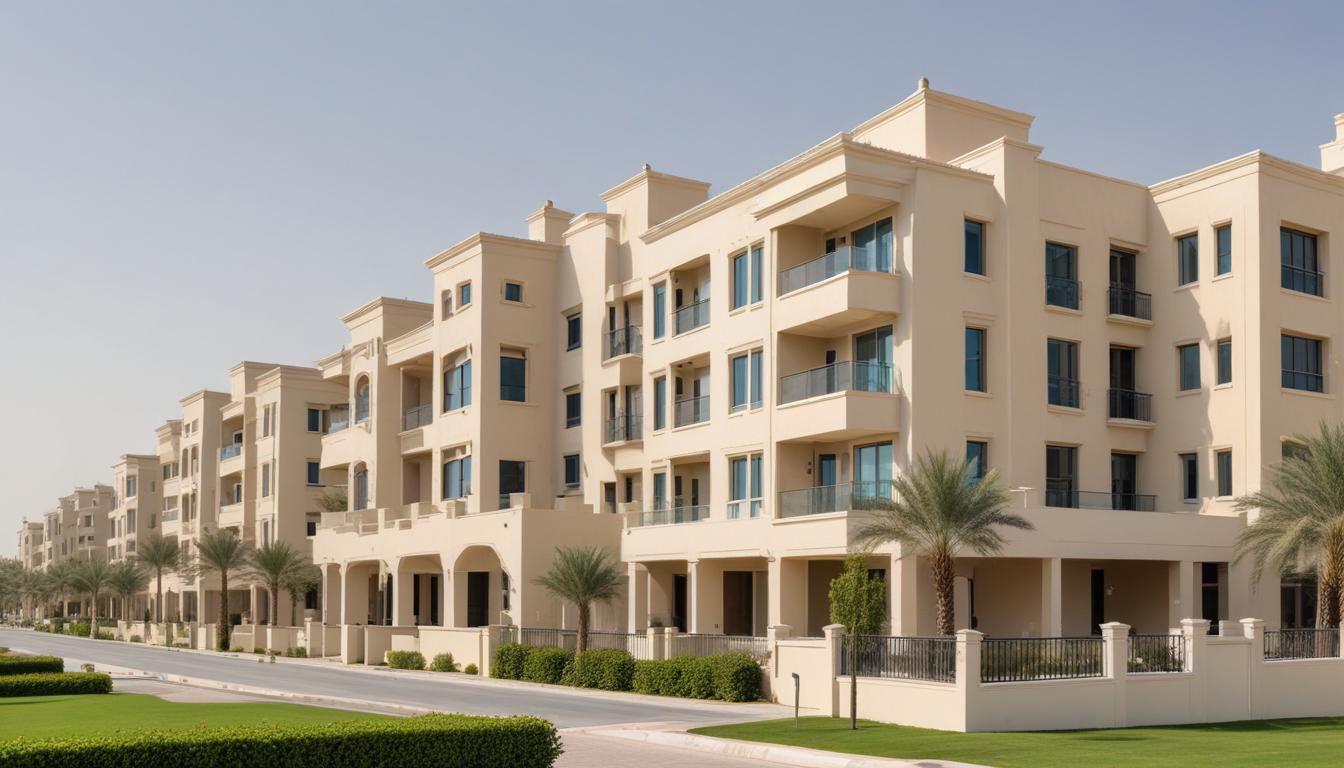
Dubai's real estate development cycle has just undergone a significant recalibration. The recent amendments to the Dubai Municipality's approval framework—which compressed multi-stage vetting into consolidated review periods—are already reshaping investor confidence and project trajectories across the emirate's growth corridors.
The new policy, implemented quietly over the past eighteen months, has reduced average approval timelines for mid-to-large residential projects from fourteen months to under nine. For developers, this translates directly into cost savings and faster revenue realisation. Projects in Arabian Ranches III and the newly designated Sobah district are already benefiting, with several launches pulled forward by 12–18 months.
What's driving this change? Regulatory observers point to three structural shifts. First, Dubai Land Department consolidated heritage and environmental checks with architectural compliance reviews, eliminating sequential delays. Second, the emirate introduced pre-approval zoning for secondary residential zones like JVC and JLT, allowing builders to begin groundwork during final permitting stages. Third, new guidelines now permit mixed-use developments with greater density flexibility, provided sustainability metrics meet LEED or equivalent standards.
The market is responding swiftly. Asking prices in pre-launch phases across Jumeirah Golf Estates (where several premium villas are now in final approval) have held firm despite broader price corrections, hovering around AED 2,200–2,400 per square foot for freehold units. Meanwhile, mid-range projects in Jumeirah Village Circle are seeing heightened competition among developers, with some offering completion incentives to lock sales ahead of competitor launches.
But accelerated approvals come with caveats. The Dubai Real Estate Regulatory Agency has signalled stricter post-completion compliance checks, shifting liability risk from permitting officers to developers. Several projects have faced remedial works orders—minor facade or MEP adjustments—following handover inspections. This has added 2–4 months to practical completion dates for some Downtown and DIFC-adjacent schemes.
For investors and end-users, the policy cascade carries mixed implications. Faster supply should theoretically moderate price inflation; the current Dubai average of AED 1,600 per square foot remains elevated, but new inventory from accelerated approvals may ease scarcity premiums in mid-range segments by 2027. However, the rush to front-load launches has also created clustering—multiple projects now breaking ground simultaneously in Arabian Ranches and Jumeirah Hills, potentially straining labour capacity and material costs.
The real test arrives in 2027–2028, when dozens of accelerated projects near practical completion. If delivery timelines hold, Dubai will have absorbed significant new supply without the policy-induced bottlenecks of previous cycles. If execution falters, the approval gains will evaporate into buyer scepticism about promised timelines.
This article was compiled by AI from the sources linked above and screened before publishing. See our editorial standards.