Dubai's rental market is experiencing a seismic shift. The arrival of large-scale residential projects—from the expansion of Downtown Dubai and the Creek Harbour precinct to the ambitious Dubai South mixed-use development—is fundamentally altering vacancy patterns and tenant expectations across the emirate.
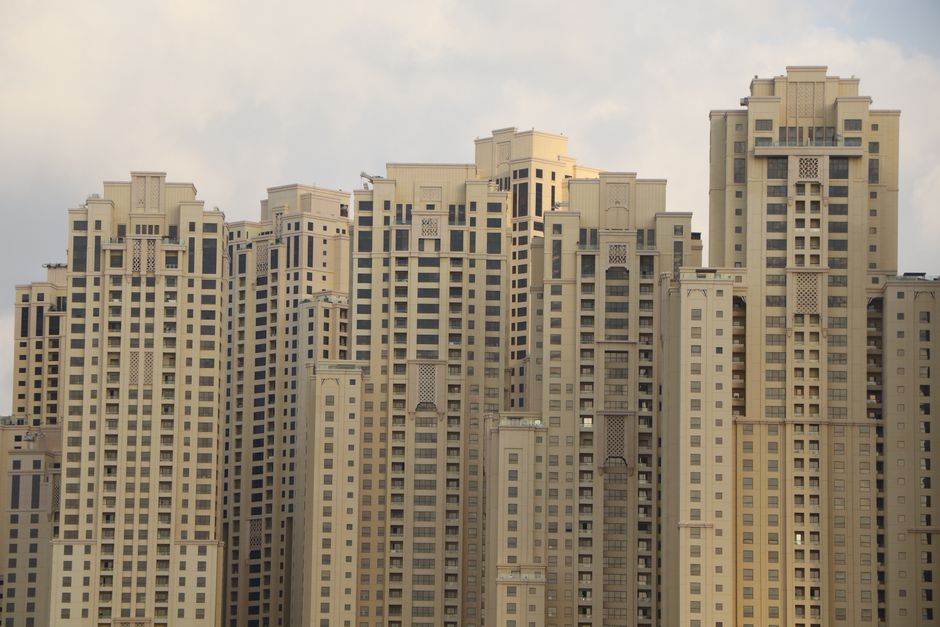
For the first time in three years, vacancy rates in established neighbourhoods like JBR and JLT have ticked upward to 8-10%, according to property consultants tracking the market. The culprit? Fresh supply flooding neighbourhoods simultaneously. New residential towers in the Downtown area, coupled with hundreds of units coming online around Business Bay and the Dubai Water Canal, have given tenants genuine choice—a luxury rarely seen since the golden visa programme accelerated demand in 2021.
This matters for renters. In JVC, where mid-range studios were commanding AED 55,000-65,000 annually just eighteen months ago, landlords are now more willing to negotiate. Properties near the Sheikh Zayed Road corridor, particularly around DIFC and Gate Avenue, face similar pressure as new office-linked residential towers absorb some demand.
The real winners, however, are relocating tenants eyeing emerging zones. Dubai South, anchored by the new Jebel Ali logistics hub and proximity to the Al Maktoum International Airport expansion, is attracting working professionals seeking affordable rents. One-bedroom apartments in developing clusters here are leasing from AED 45,000—nearly 30% below comparable Downtown units at AED 1,600 per square foot.
Luxury segments tell a different story. Palm Jumeirah and Downtown's ultra-premium towers remain insulated; new penthouses and villas continue commanding premium yields of 4-5% annually. Yet even here, developers are staggering releases, mindful of saturation risk.
For prospective tenants, the advice is straightforward: leverage the buyer's market while it exists. Properties within walking distance of Metro stations—particularly along the Red Line extension towards Jebel Ali—offer the best combination of accessibility and negotiating power. Avoid locking into long-term agreements in saturated zones like Al Baraka and International City without comparing competing stock three streets over.
Property managers and landlords, meanwhile, are pivoting. Amenities once considered premium—co-working spaces, gyms, childcare facilities—are now baseline expectations. Those competing against new supply are upgrading common areas and offering flexible lease terms.
The 2026 rental market rewards flexibility and research. New developments aren't cannibalizing demand; they're fragmenting it. Smart tenants will exploit that fragmentation.
This article was compiled by AI from the sources linked above and screened before publishing. See our editorial standards.