Dubai's New Planning Rules Are Reshaping Who Can Afford Where—and Fast
Zoning reforms and infrastructure decisions are quietly rewriting the affordability map across the emirate, with winners and losers emerging in real time.
Zoning reforms and infrastructure decisions are quietly rewriting the affordability map across the emirate, with winners and losers emerging in real time.
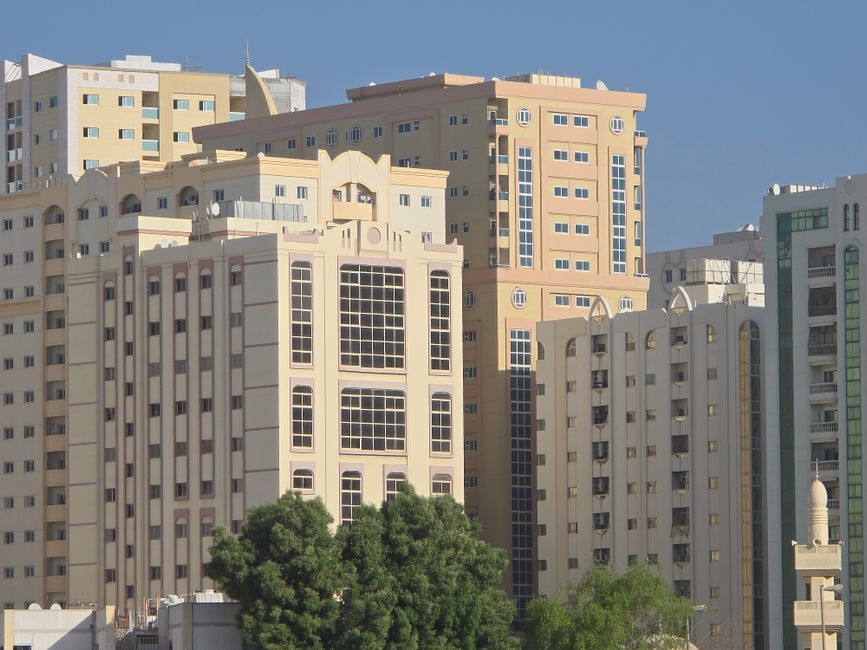
Dubai's property market has always moved in rhythm with regulation. But the planning reforms quietly embedded in recent municipal decisions are creating a more dramatic reshuffling than the market has seen in years—one that's already visible in price movements across neighbourhoods from Jumeirah Village Circle to the developing plots along Mohammed Bin Zayed City.
The headline shift: tighter density restrictions in established mid-range communities and accelerated infrastructure investment in peripheral zones are simultaneously pushing prices up in older neighbourhoods while creating unexpected affordability pockets further out. The average price across Dubai remains around AED 1,600 per square foot, but that figure masks a widening divergence.
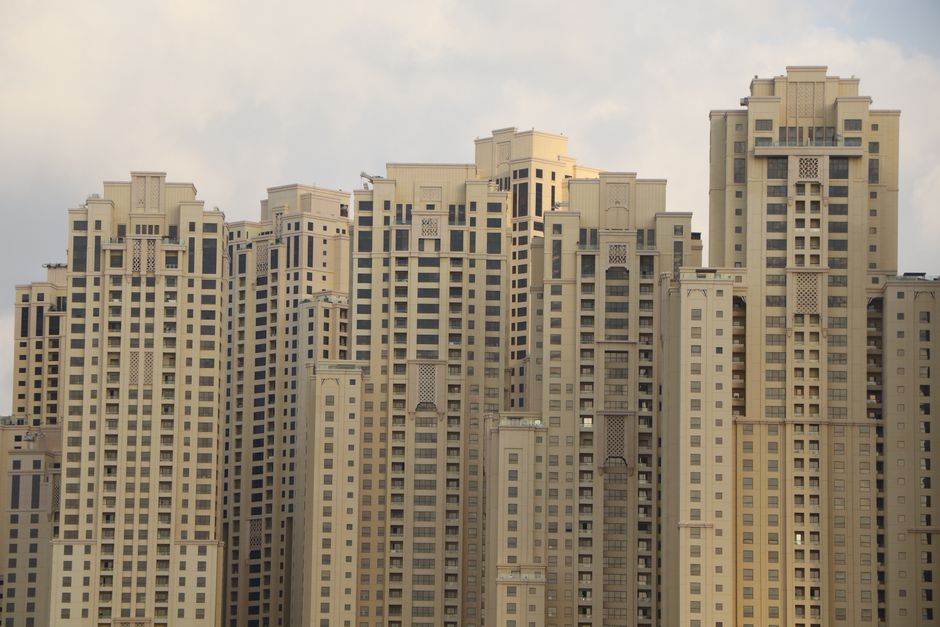
Take Jumeirah Village Circle (JVC). Once the engine of Dubai's middle-market rental yield—historically attracting investors with sub-AED 1,400/sqft entry points—the neighbourhood is now subject to revised zoning that limits further high-rise development. The policy was meant to preserve character and reduce oversupply. Instead, it's triggered a supply crunch. Comparable units that rented for AED 5,000 monthly two years ago now command AED 6,500. Affordability, paradoxically, is evaporating in the very community designed to offer it.
Conversely, the Roads and Transport Authority's decision to fast-track Etihad Rail extensions toward Expo City and beyond has unlocked value in previously disconnected areas. Zones like Mirdif and pockets along the southern arc are now experiencing genuine infrastructure-driven transformation, with some plots trading below AED 1,200/sqft—genuine entry points in an increasingly expensive market.
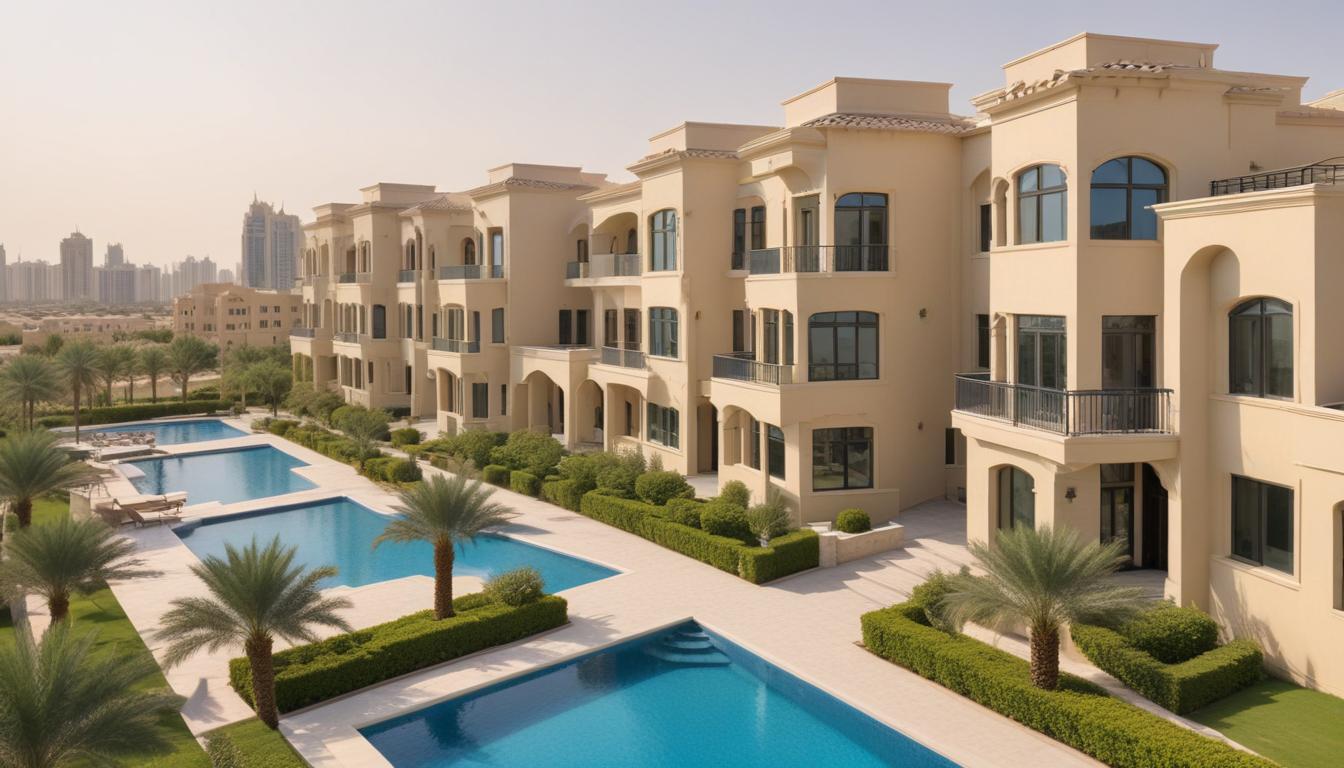
The golden visa initiative—now a decade into reshaping demand patterns—continues to compound these effects. Long-term residency programmes have anchored premium demand in Downtown Dubai and Palm Jumeirah, where luxury units routinely fetch AED 2,500–3,500/sqft. But the policy has also elevated expectations for entire mid-range corridors like JBR and JLT, where investors compete with visa-backed owner-occupiers.
What's crucial for buyers and investors to understand: these aren't market accidents. They're the direct consequence of deliberate policy—density caps, infrastructure timing, and visa architecture. A property strategist's skill now lies in reading the regulatory tea leaves, not just market trends. The next bottleneck is likely parking regulation tightening in older waterfront zones, which could shift affordability pressure further inland toward areas like Academic City and Sportcity.
For those priced out of traditional mid-market neighbourhoods, the message is clear: policy, not just demand, now determines where affordable Dubai actually is.
This article was compiled by AI from the sources linked above and screened before publishing. See our editorial standards.
How does this story make you feel?
Spread the word
About this article
Published by The Daily Dubai
Daily brief
Free, in your inbox before 7am. Weekdays.
More in Property