How Dubai's New Planning Framework is Reshaping Development Pipelines and Property Values
Streamlined approvals and stricter zoning rules are accelerating some projects while freezing others—here's what it means for buyers and investors.
Streamlined approvals and stricter zoning rules are accelerating some projects while freezing others—here's what it means for buyers and investors.
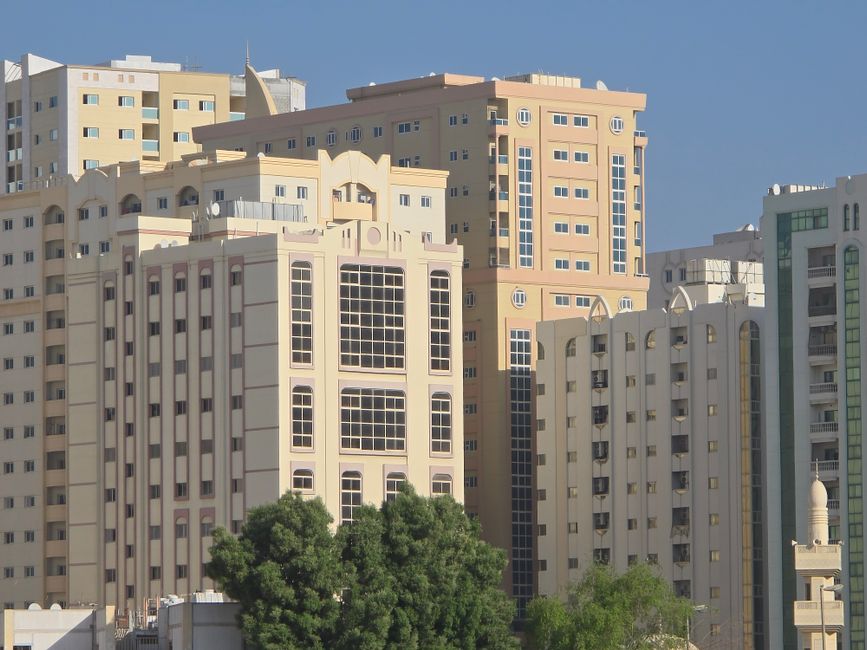
Dubai's real estate machine runs on predictability. But recent shifts in the emirate's planning and approval framework are forcing developers and investors to recalibrate their strategies, with significant knock-on effects for pricing, timelines, and neighbourhood dynamics across the city.
The Dubai Municipality's revised development guidelines, implemented earlier this year, have introduced tighter density controls and mandatory sustainability benchmarks for new projects. While fast-tracked approvals for schemes meeting enhanced building standards have reduced processing times by up to 40 per cent, projects in areas like Business Bay and the Dubai Marina periphery now face stricter traffic impact assessments. The result: some mid-rise residential proposals have been scaled back or repositioned entirely.
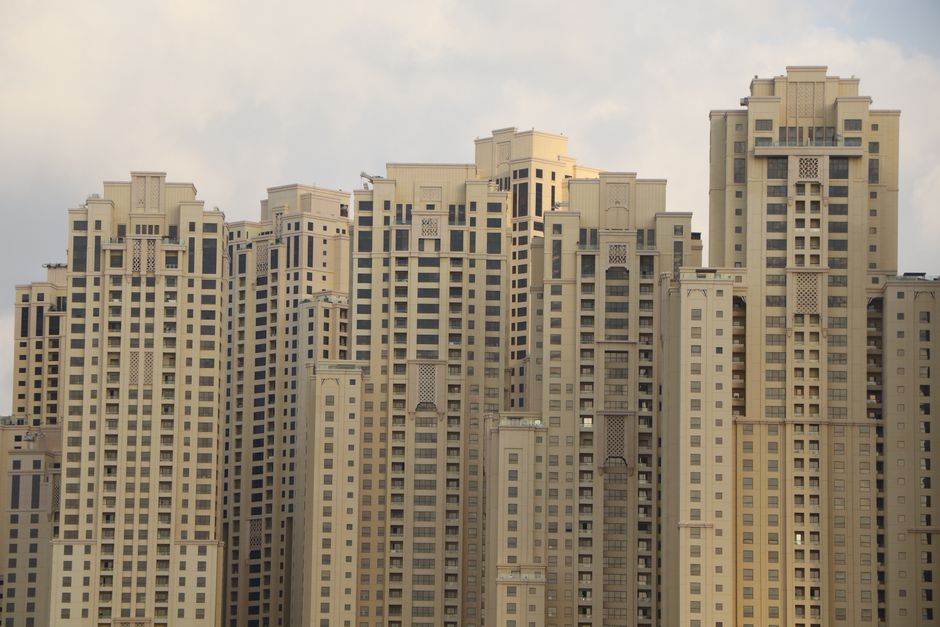
For the mass-market segment, this has created unexpected winners. JVC and JLT, traditionally yielding 4.5 to 5 per cent for investors, are seeing renewed demand as developers pivot away from oversaturated downtown corridors. A recent 1-bedroom apartment completion in Cluster E, JLT was absorbed within weeks at AED 850,000—a 12 per cent appreciation on pre-approval pricing. The policy shift effectively redistributed investor appetite away from iconic but saturated zones toward secondary but fundamentally sound alternatives.
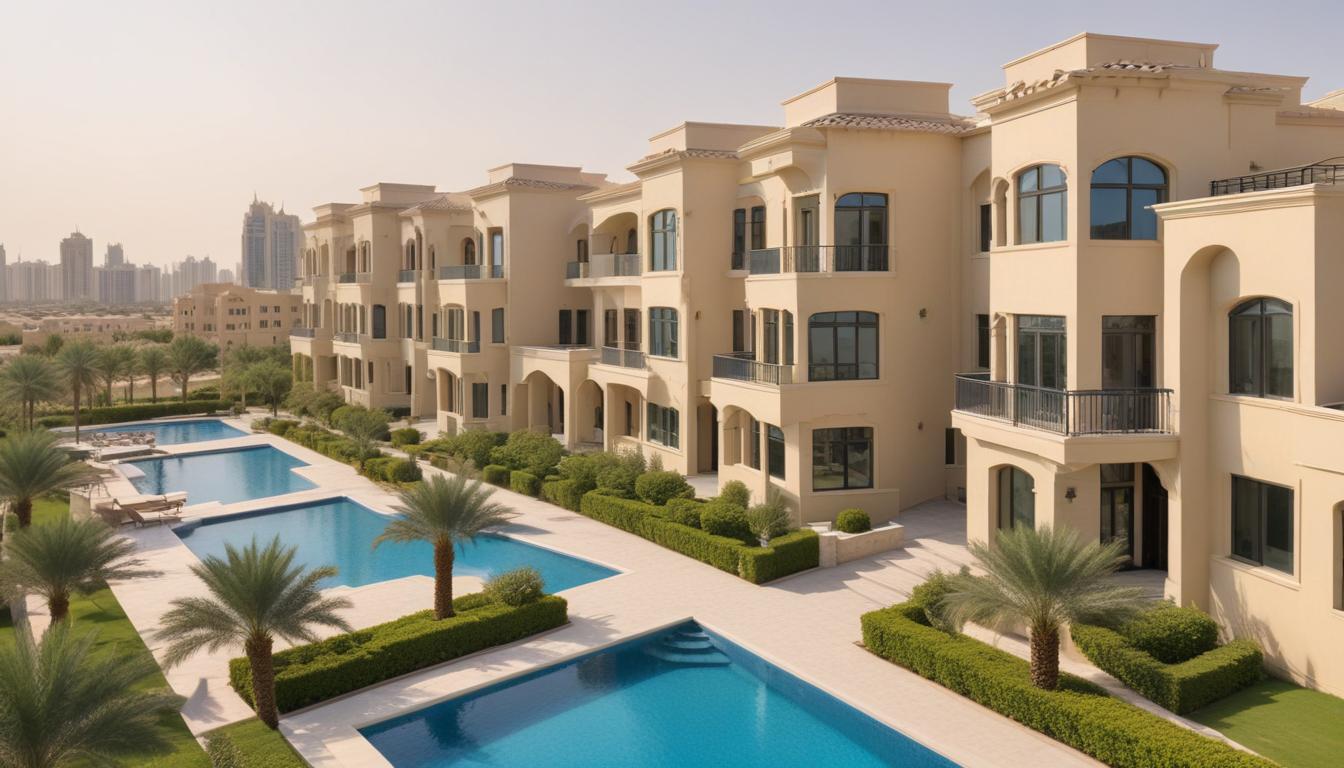
Luxury developments tell a different story. Palm Jumeirah and Downtown Dubai projects aligned with the new carbon-neutral construction mandate have received accelerated green lights, but the compliance costs have pushed base prices higher. A contemporary 2-bedroom villa in Palm's latest phase now opens at AED 5.2 million, up from AED 4.8 million a year ago—though developers argue the sustainability features justify the uplift.
The most consequential change involves mixed-use zoning approvals. The government's decision to restrict purely residential towers in favour of integrated developments has delayed several standalone apartment projects while catalysing retail-residential hybrids across Jumeirah Lake Towers and Downtown Deira. Real estate consultants estimate this reorientation will shift approximately AED 15 billion in capital allocation over the next three years.
For average buyers at the AED 1,600-per-square-foot market benchmark, these policy changes translate to fewer pure residential options but more feature-rich, mixed-purpose communities. Timelines have become more transparent—and longer—while price volatility has decreased in approved schemes.
The broader message: Dubai's development landscape is normalising. Policy-driven planning, not speculative enthusiasm, now determines which neighbourhoods grow and which consolidate. Investors must now analyse neighbourhood fundamentals rather than chase abstract supply shortages.
This article was compiled by AI from the sources linked above and screened before publishing. See our editorial standards.
How does this story make you feel?
Spread the word
About this article
Published by The Daily Dubai
Daily brief
Free, in your inbox before 7am. Weekdays.
More in Property