Dubai's luxury property market operates by different rules than mainstream residential sales. With average prices hovering around AED 1,600 per square foot citywide, ultra-premium properties in Downtown Dubai and Palm Jumeirah command multiples of that figure—yet first-time buyers often underestimate the complexities involved.
The golden visa landscape has fundamentally reshaped demand. Ten-year residency incentives have attracted sophisticated international purchasers seeking not just a home, but a tax-efficient asset in a stable jurisdiction. This influx has elevated standards across all premium segments, making professional guidance non-negotiable.
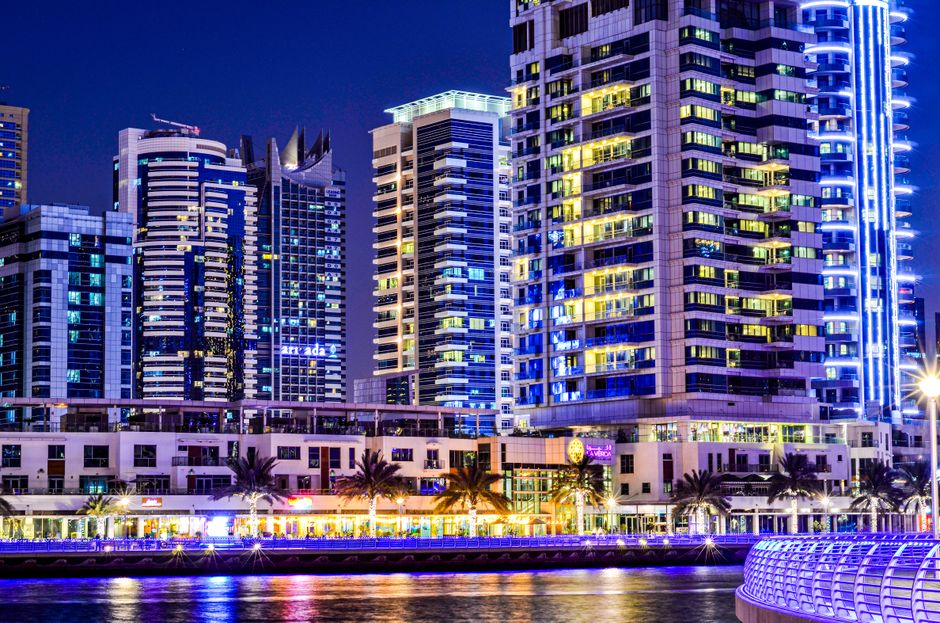
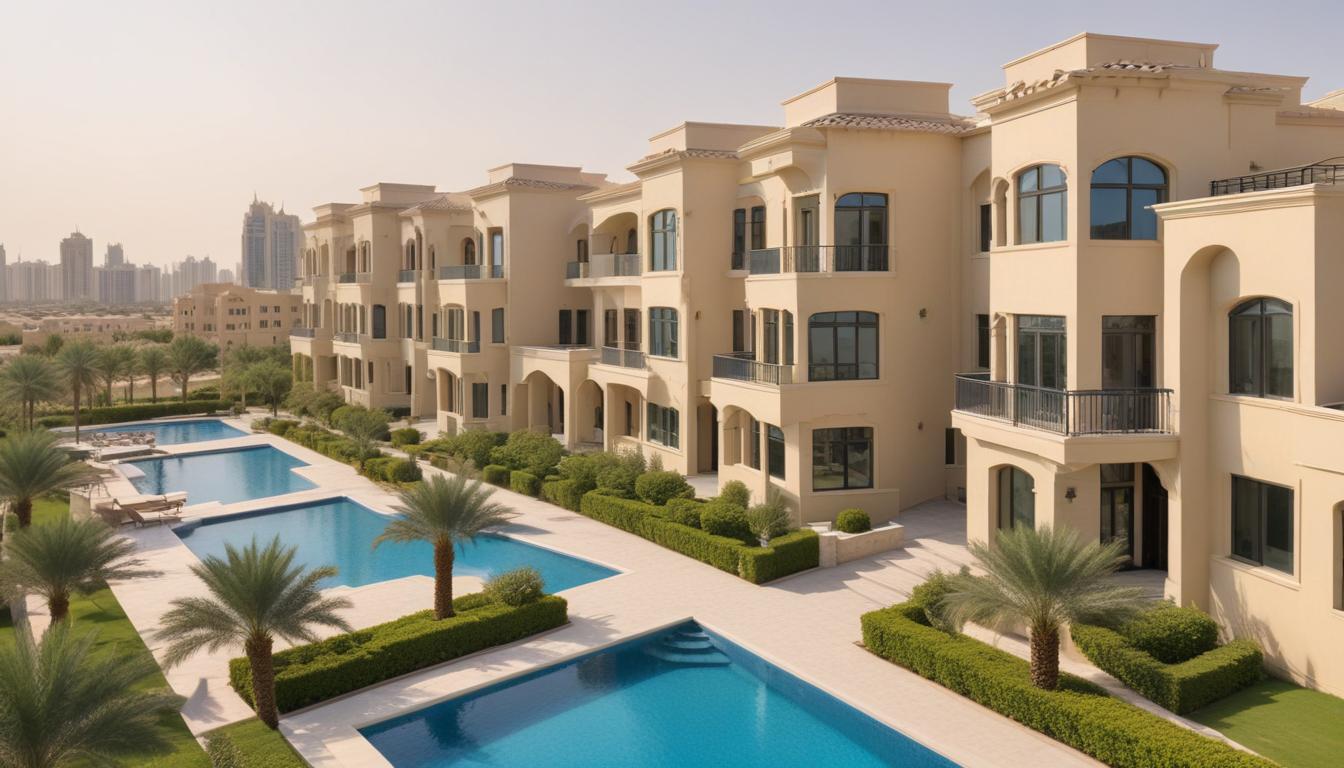
Start by identifying your true neighbourhood priority. Downtown Dubai's Burj Khalifa-adjacent towers offer architectural prestige and amenity density—think Armani Residences or the Residences at Mahallati—but come with premium pricing and shared spaces. Palm Jumeirah's waterfront villas deliver exclusivity and privacy, though maintenance and exclusivity come at significant cost. JBR's beachfront appeal attracts investors seeking rental yields, while Emirates Hills offers villa lifestyle with established community infrastructure.
Understanding the broker ecosystem matters. Unlike transactional markets elsewhere, Dubai's top-tier properties often move through established agencies with exclusive mandates. Engage reputable firms early; they'll provide market intelligence unavailable to casual browsers. Don't rely solely on portal listings—many prestige properties circulate privately before public announcement.
Financing requires advance planning. While UAE banks offer competitive mortgages, luxury properties face stricter lending-value assessments. Arrange pre-approval before serious negotiations. Factor in Dubai's transparent but substantial transaction costs: agency fees (typically 2-3%), registration, and potential renovation budgets for older luxury stock.
Conduct thorough due diligence on building reputation. Properties in well-managed developments—those with robust sinking funds and transparent developer track records—protect long-term value. Check Dubai Land Department records for any encumbrances or disputes. Verify amenity delivery; promises of golf courses or marinas should be substantiated.
Timing matters differently in luxury segments. Unlike mass-market cycles, prestige properties respond to global wealth flows and geopolitical factors. The current period shows selective strength: authentic waterfront locations and iconic addresses maintain resilience, while speculative mid-tier luxury faces headwinds.
Finally, engage legal counsel familiar with UAE property law before committing funds. International buyers often overlook residency implications, tax treaties, and inheritance considerations under local law. A single consultation with a qualified property lawyer prevents costly downstream complications.
Dubai's luxury market rewards informed buyers who invest time upfront in understanding mechanics, neighbourhoods, and professional networks—transforming what appears opaque into transparent opportunity.
This article was compiled by AI from the sources linked above and screened before publishing. See our editorial standards.