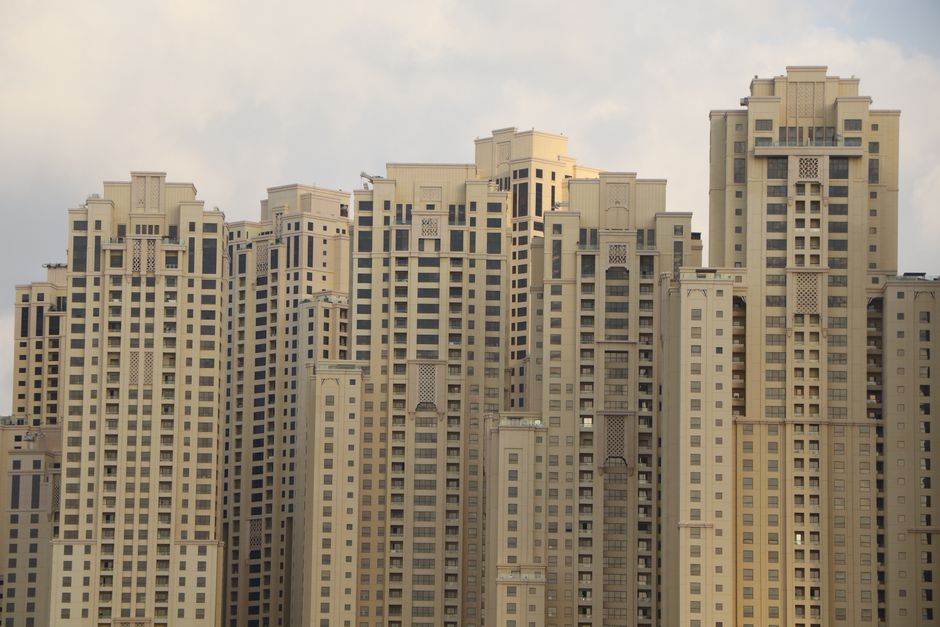
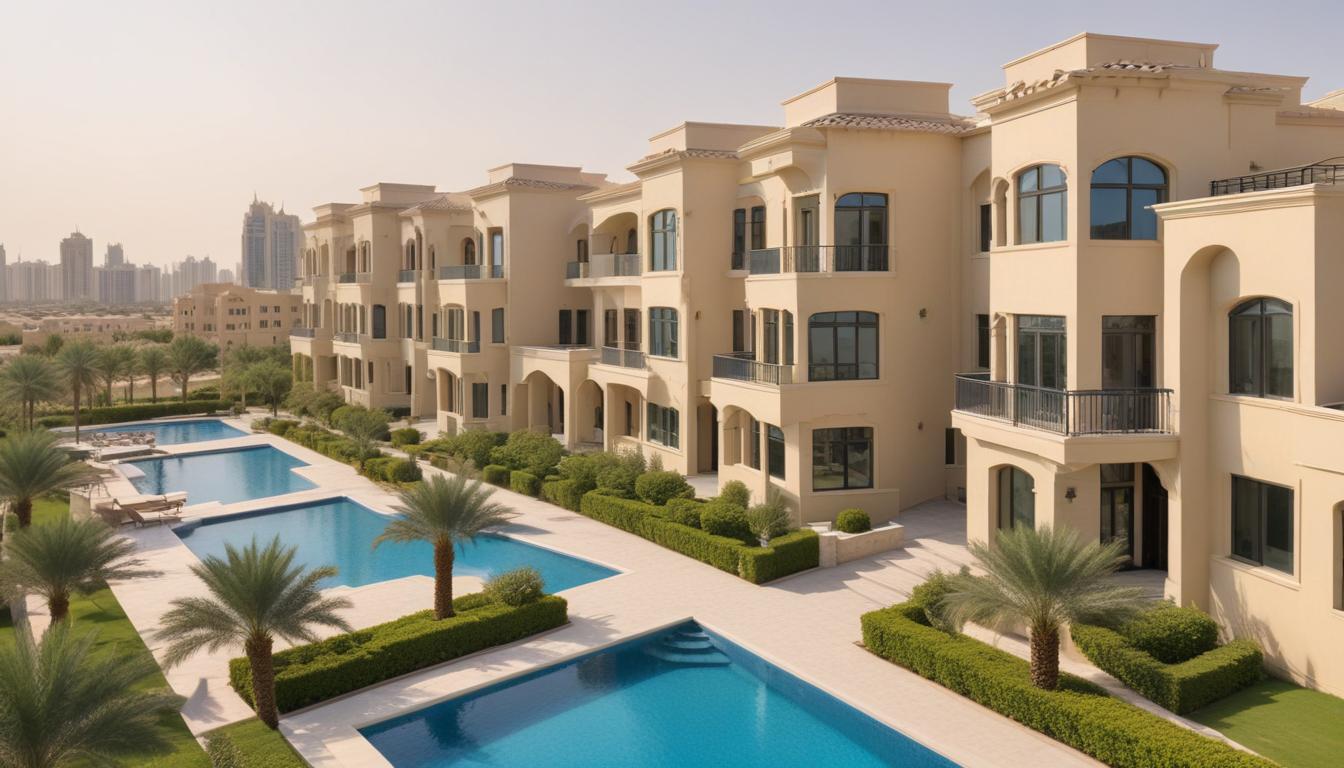
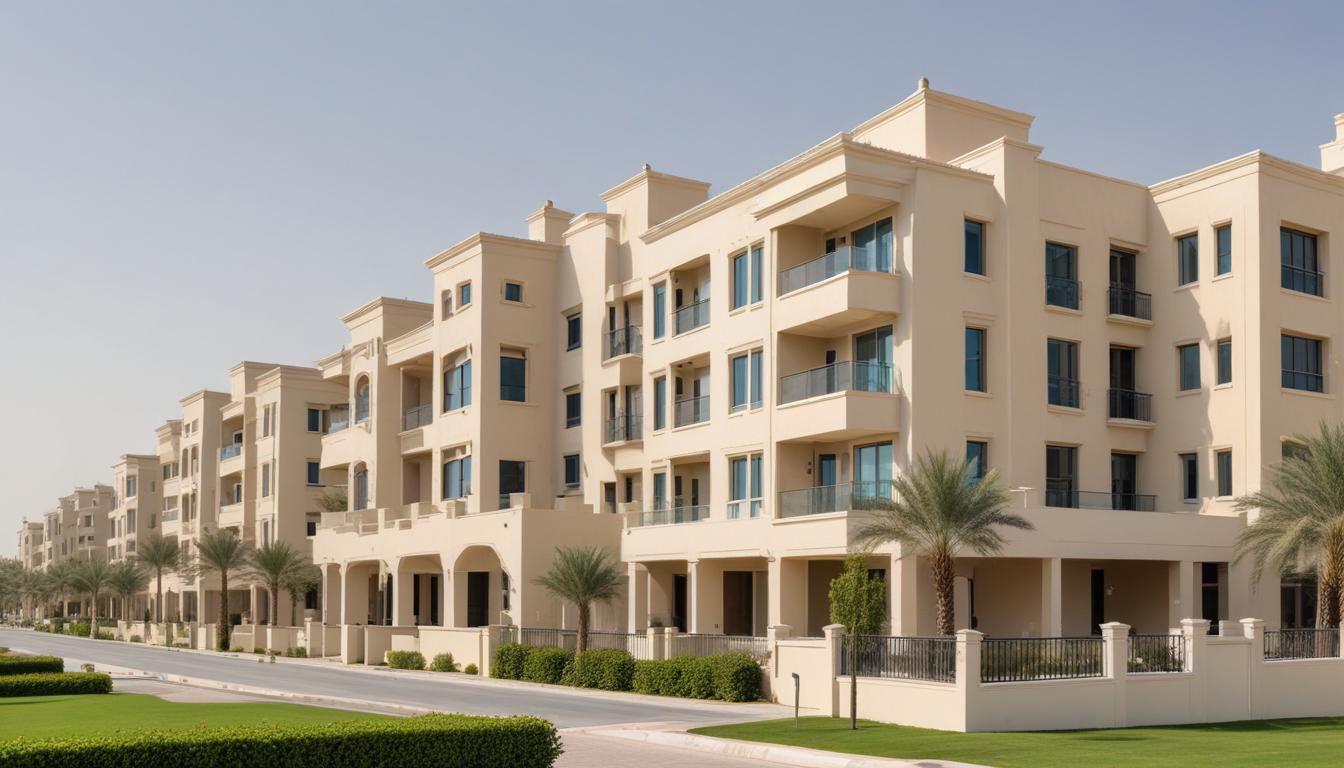
Dubai South has quietly become the emirate's most dynamic investment frontier, and the wave of new development projects unfolding across Sobha Hartland and adjacent master-planned zones is fundamentally reshaping what investors should expect from the neighbourhood.
The expansion of Sobha Hartland—particularly the launch of its premium villas and mid-rise residential clusters—has injected fresh momentum into an area that, just three years ago, remained largely under-the-radar compared to Downtown Dubai and Palm Jumeirah. Current asking prices in the completed phases hover around AED 1,850 per square foot for apartments, a notable premium over the Dubai average of AED 1,600/sqft, yet still positioned as accessible compared to ultra-luxury enclaves.
What's driving investor interest isn't just proximity to Al Maktoum International Airport—a compelling logistics advantage for end-users and tenants alike—but rather the ecosystem these new phases create. The village's carefully planned retail corridors, the proposed hospitality anchors, and improved road connectivity via the Mohammed Bin Zayed Road all signal a transformation from dormitory suburb to genuine mixed-use destination. Early occupants report rental yields between 4.5 and 5.2%, competitive with JVC and JLT, though with significantly lower acquisition costs.
The timing is strategic. Dubai's 10-year golden visa scheme continues to drive demand for residential stability, and new residents gravitating toward Dubai South increasingly cite school availability, community facilities, and walkable neighbourhoods as priorities—the exact amenities these expansion phases emphasise. The introduction of the Hartland Promenade retail spine and planned family-oriented leisure spaces directly address that demand.
However, challenges remain. Road infrastructure, particularly around the E11 interchange and internal arterial planning, has occasionally lagged behind population growth. Investors should monitor municipal announcements regarding traffic management upgrades and the promised metro extension timeline, both critical to unlocking the neighbourhood's full potential.
For capital appreciation, the narrative is compelling: buying into Phase 3 or Phase 4 developments captures value before the infrastructure premium fully materialises. Conservative projections suggest 5-7% annual appreciation over five years as Dubai South matures from emerging to established, though this assumes continued developer momentum and municipal delivery on promised utilities.
The neighbourhood's transformation from speculative fringe to credible investment-grade community hinges on whether new phases successfully integrate lifestyle amenities with affordability. Early indicators suggest developers understand the assignment—and savvy investors are taking notice.
This article was compiled by AI from the sources linked above and screened before publishing. See our editorial standards.