Dubai's first-time buyer market has transformed dramatically since the ten-year golden visa rollout. What once felt like an accessible entry point—JVC and JLT apartments averaging AED 800,000 to AED 1.2 million—now tells a more complex story when investor returns are scrutinised.
The headline numbers look compelling. A one-bedroom in Jumeirah Village Circle marketed at AED 950,000 with rental projections of AED 45,000 annually reads as a 4.7 per cent gross yield. But experienced investors know gross yields mask critical realities. Factor in maintenance fees (typically 6-8 per cent of annual rent), DEWA charges, property management (8-10 per cent commission), and the inevitable vacancy periods during handover, and net yields compress to closer to 2.5-3 per cent—barely competitive with UAE bonds.
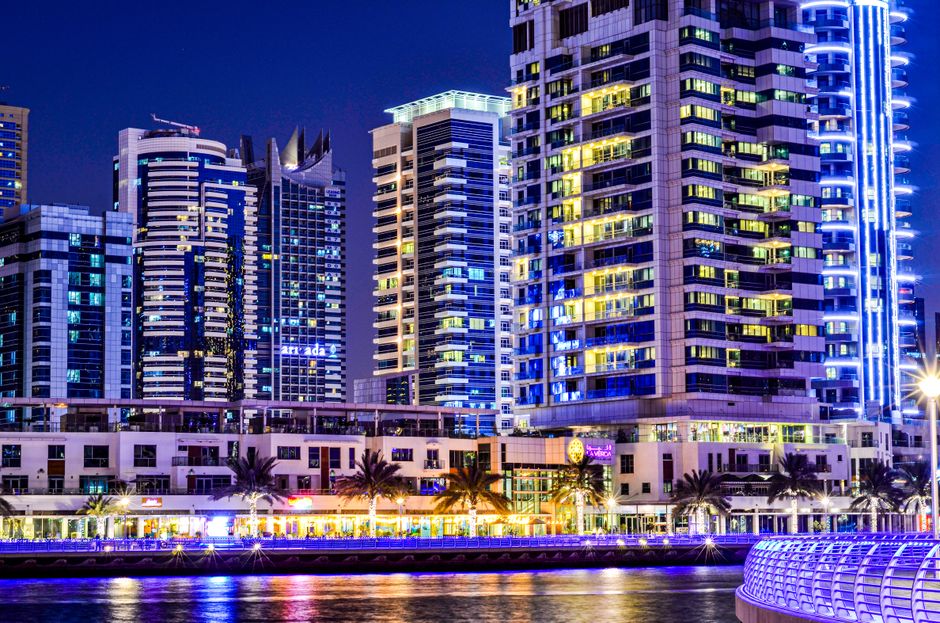
The data shift is geographic. While Downtown Dubai and Palm Jumeirah remain investment strongholds for ultra-premium buyers, the golden visa phenomenon has flooded mid-range developments with first-time overseas purchasers. JLT towers now see occupancy rates where tenant turnover costs eat aggressively into rental income. Conversely, established JBR waterfront properties—trading at AED 1,400-1,600 per square foot—demonstrate more stable 3-4 per cent net yields, though entry prices exceed AED 1.5 million.
What the numbers actually show is a bifurcated market. Genuine first-time investors banking on immediate rental income are discovering their returns depend entirely on neighbourhood selection and tenant quality. A studio in JVC might rent for AED 25,000 annually; the same AED 600,000 deployed into a JBR one-bedroom generates AED 50,000-55,000 with significantly lower churn risk.
Several financial institutions now offer tailored first-buyer mortgages acknowledging this reality—lending at 80 per cent LTV with flexible income verification for visa-sponsored purchasers. However, these loans shift burden: buyers must cover larger down payments while accepting lower leverage. The mathematics favour capital appreciation over yield-chasing, particularly for five-to-ten-year holding periods.
Smart first-time buyers in 2026 are abandoning yield obsession. Instead, they're prioritising neighbourhoods with demonstrated rental demand—JBR's beach proximity, Downtown's office-adjacent location, or emerging micro-markets near new Metro extensions. Location-driven capital appreciation now outpaces rental returns in financial modelling, reversing conventional wisdom from five years ago.
The lesson: Dubai's entry-level market rewards selective buyers who understand their actual costs, not those seduced by promotional brochures promising 5 per cent yields.
This article was compiled by AI from the sources linked above and screened before publishing. See our editorial standards.