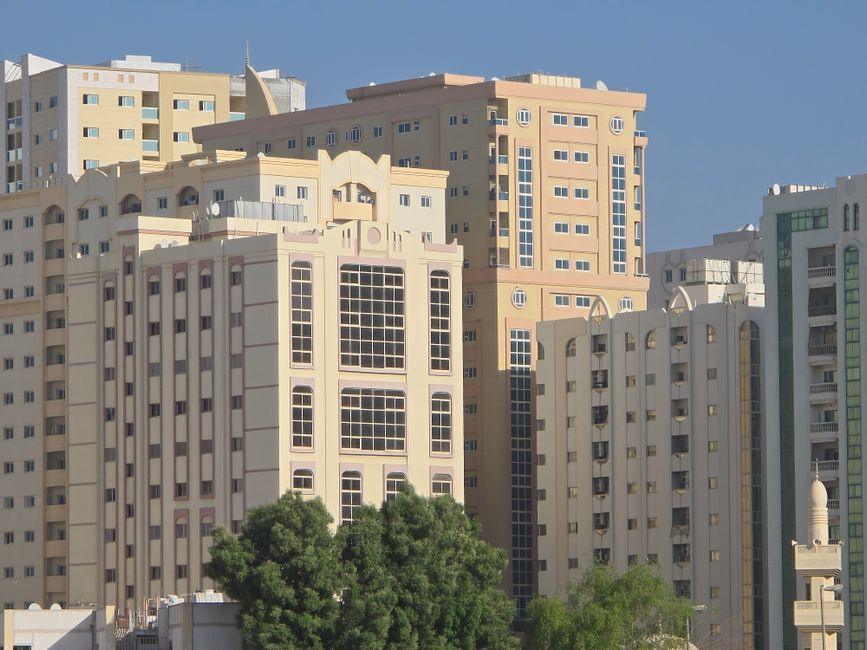
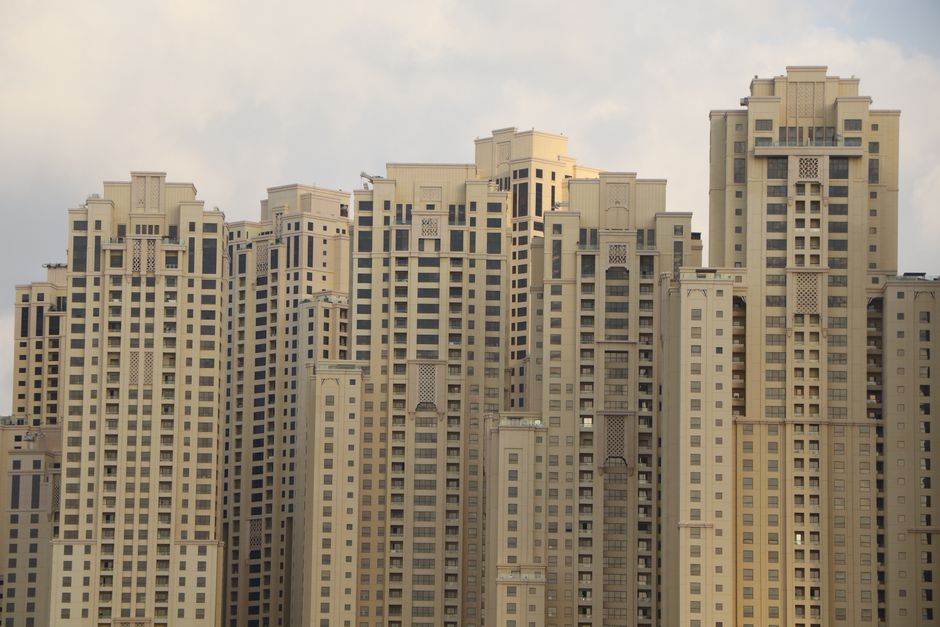
Dubai's rental market has entered a period of unprecedented tension. While downtown skylines glitter with luxury penthouses and Palm Jumeirah waterfront properties command eye-watering premiums, the lived reality for thousands of tenants and mid-market landlords tells a starkly different story.
The numbers tell the tale. Average asking rents across Dubai have climbed steadily throughout 2025 and into 2026, with one-bedroom apartments in established mid-range clusters like Jumeirah Lake Towers and Jumeirah Village Circle now routinely advertised above AED 65,000 annually—a 12-15% jump from 2024 levels. For JBR residents seeking renewals, landlords are increasingly aggressive, with some pushing for 8-10% annual increases despite existing lease terms.
The pressure stems from multiple directions. The government's ten-year golden visa programme has unleashed sustained demand from high-net-worth individuals and their families, while traditional expat cohorts—nurses, engineers, educators—compete for the same modest inventory. Simultaneously, landlords holding mortgages face tighter lending margins, forcing aggressive rental strategies to service debt and maintain yields.
Real Estate Regulatory Agency (RERA) data for H1 2026 shows transaction velocity remains robust, but the gap between buyer-investor activity and actual tenant accommodation has widened. Properties marketed as "affordable" now sit in the AED 1,450-1,700 per square foot range—a semantic shift that underscores the market's upward drift.
Community associations in Jumeirah Park and Arabian Ranches have fielded increased complaints from families priced out of renewal negotiations. Meanwhile, smaller landlords—those holding single or dual properties—report shrinking margins as maintenance costs and regulatory compliance climb alongside mortgages that locked in rates years ago.
Policy responses remain fragmented. While RERA's transparent listing requirements and dispute resolution mechanisms offer clarity, they do little to address fundamental supply constraints. The "Home for a Home" initiative targeting vulnerable overseas families has provided respite for a narrow demographic, but leaves broader affordability questions unresolved.
The intersection of supply-side scarcity and demand-side appetite from visa programme participants has created a market increasingly hostile to wage earners and modest-income families. Landlords, simultaneously, face pressure to extract maximum returns before economic cycles inevitably shift. Neither cohort emerges from this dynamic with comfort.
As Dubai enters its second half of 2026, rental market conditions will likely intensify these pressures. For policymakers, the question becomes urgent: can regulatory frameworks and supply-side interventions outpace demand momentum driven by structural policy decisions like golden visas? The answer may determine whether Dubai's middle-income rental market survives the current cycle intact.
This article was compiled by AI from the sources linked above and screened before publishing. See our editorial standards.