Dubai's Rental Vacancy Squeeze: What's Driving Prices Up and What Buyers Need to Know Now
As vacancy rates tighten across prime neighbourhoods, savvy investors are recalibrating their strategies—here's where the real opportunity lies.
As vacancy rates tighten across prime neighbourhoods, savvy investors are recalibrating their strategies—here's where the real opportunity lies.
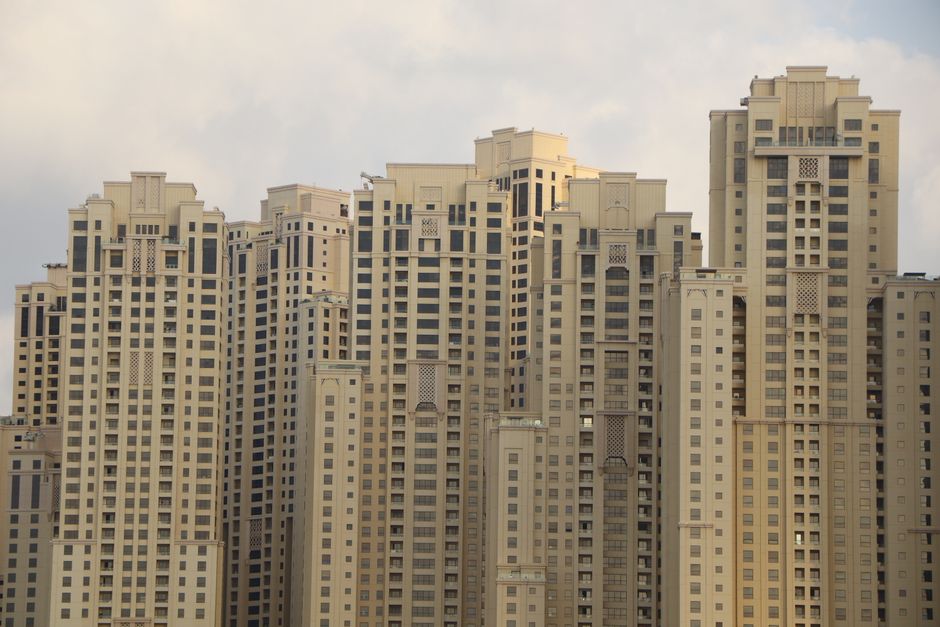
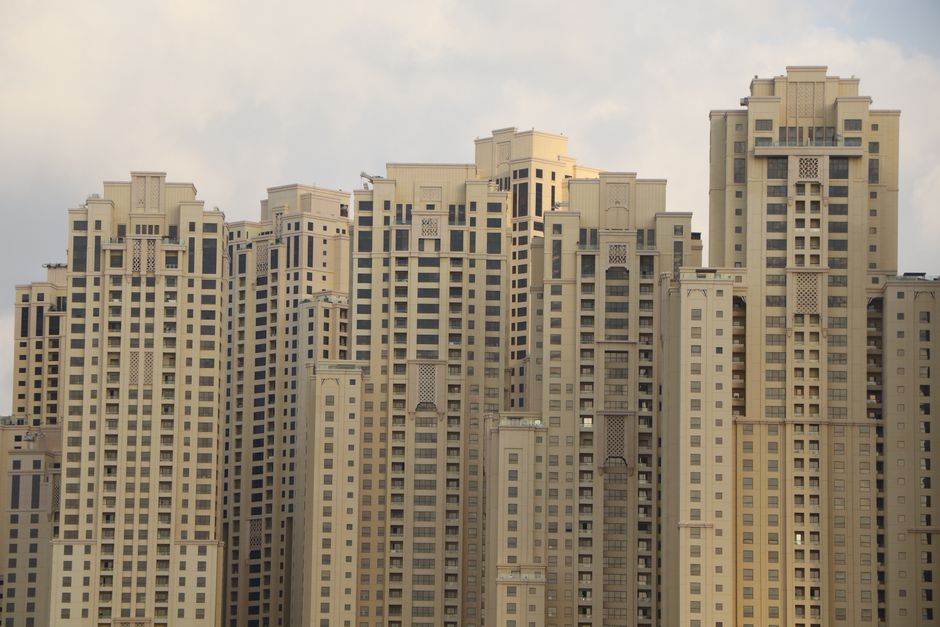
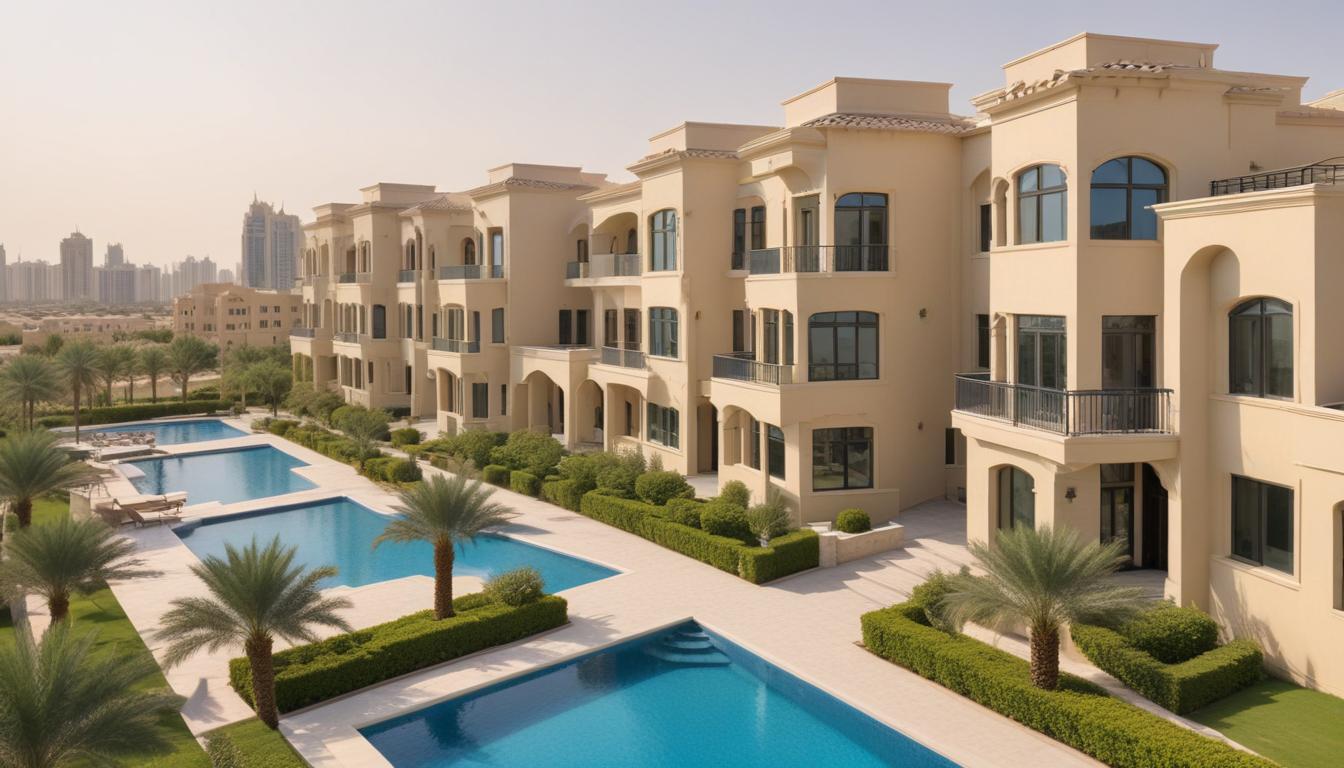
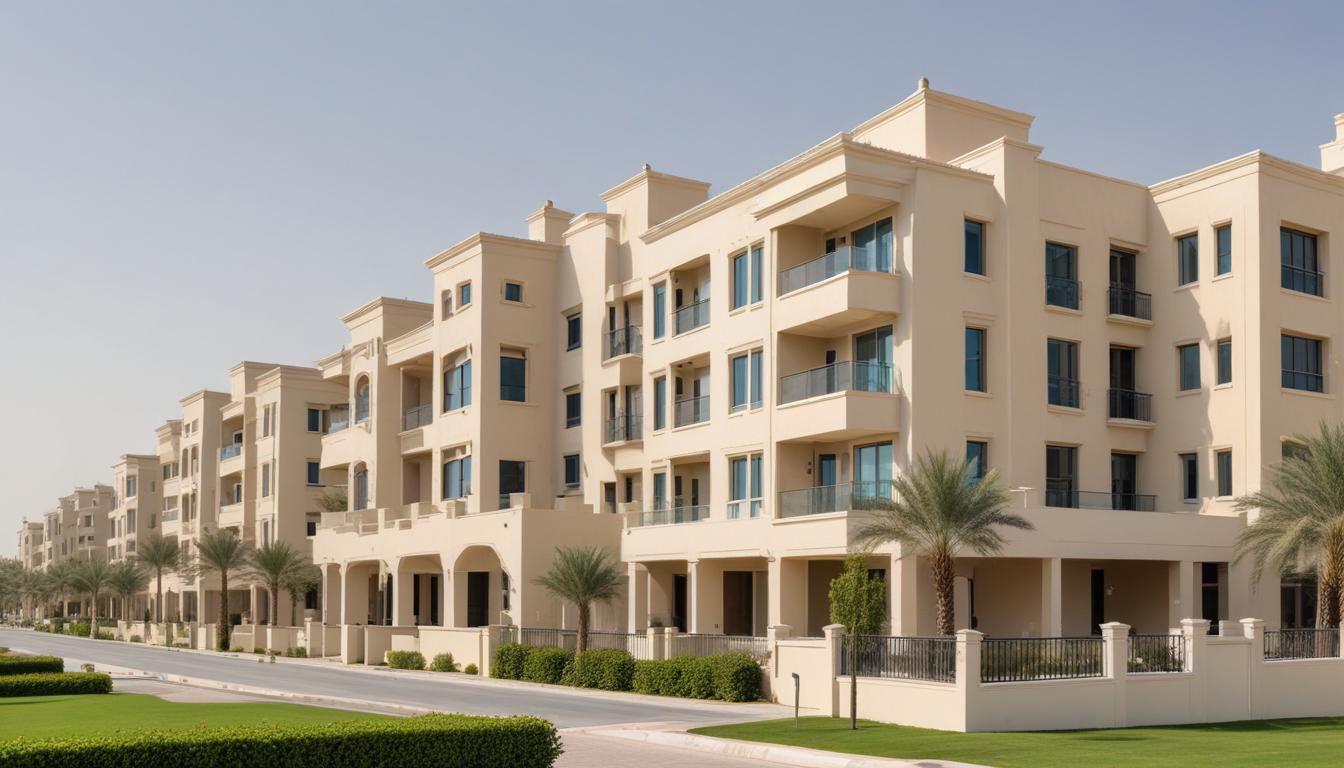
Dubai's rental market is sending unmistakable signals, and they're reshaping buyer priorities across the emirate. Vacancy rates have compressed significantly over the past 18 months, particularly in high-yield clusters like Jumeirah Village Circle and Jumeirah Lake Towers, where purpose-built communities have absorbed strong tenant demand driven by the 10-year golden visa programme and corporate relocations.
The numbers tell a compelling story. Downtown Dubai and Palm Jumeirah maintain premium positioning with average rents hovering around AED 1,600 per square foot annually, but newer supply in Dubai Sports City and Dubai Creek Harbour has created fresh competition. What's changed: tenant selectivity. Landlords in JBR's waterfront towers—traditionally the emirate's rental workhorse—are now offering flexible lease terms and furnished options to compete with emerging alternatives along the creek corridor.
For buyers, this tightening presents a critical inflection point. The golden visa effect continues to underpin demand, but it's no longer a standalone driver. Institutional buyers and family offices are increasingly targeting mid-range communities with proven tenant bases and lower vacancy exposure. JVC properties, which averaged 5-7% vacancy two years ago, now sit closer to 2-3%, pushing gross yields from 4.5% toward 5.8% in select towers.
However, savvy purchasers must look beyond headline yields. The real question: are prices rising faster than rental growth? Downtown Dubai's AED 1,600/sqft benchmark reflects scarcity value rather than rental momentum, while secondary markets like International City and Sonapur offer compelling entry points for buy-to-let investors willing to accept longer holding periods.
The rental guide for prospective tenants has shifted too. Competition for units in established neighbourhoods means negotiation leverage has moved to landlords. Spring leases (peak season) in Marina and JBR now command premiums of 8-12% over winter rates. Serious renters are locking in agreements in May and June, not August and September.
For investors, the message is clearer than ever: trophy assets in Downtown and Palm retain capital appreciation potential, but cash flow arbitrage increasingly favours mid-market portfolios in JLT, Dubai Hills Estate, and Emaar South. The vacancy squeeze is real, but it's unevenly distributed. Those who understand where supply constraints are genuine—versus where they're temporary—will capture the next wave of returns in this market.
This article was compiled by AI from the sources linked above and screened before publishing. See our editorial standards.
How does this story make you feel?
Spread the word
About this article
Published by The Daily Dubai
Daily brief
Free, in your inbox before 7am. Weekdays.
More in Property