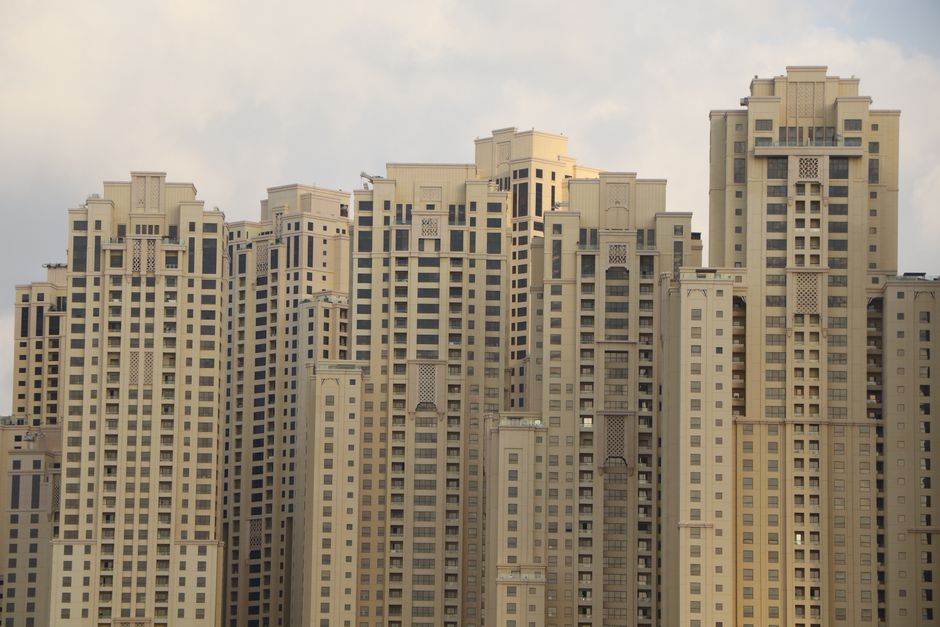
Dubai's property investor class is facing an uncomfortable truth: not all neighbourhoods are created equal when it comes to actual yield returns. While Downtown Dubai and Palm Jumeirah command headlines and headline prices, a closer examination of rental data from the past 18 months reveals a more nuanced picture—one where mid-range and emerging communities are quietly outperforming their luxury counterparts on the metrics that matter most to investors.
Consider the numbers. Dubai's citywide average rental yield sits around 4.5 to 5 per cent, according to recent market analysis. But strip away the aggregate, and geography becomes destiny. Jumeirah Village Circle and Jumeirah Lake Towers—neighbourhoods characterised by mid-range apartment stock and strong international tenant bases—are consistently delivering yields between 6 and 7 per cent. A two-bedroom apartment in JVC, typically priced between AED 850,000 and AED 1.1 million, can generate monthly rents of AED 4,500 to AED 5,500, translating to gross yields that make spreadsheets sing for buy-to-let investors.
The story is different in Downtown Dubai and along the Palm. A luxury two-bedroom overlooking the Burj Khalifa or the marina might command AED 8,000 to AED 10,000 monthly, but purchase prices of AED 2.5 to AED 3.5 million compress yields to the 3.5 to 4 per cent range. Capital appreciation has historically compensated, but with transaction volumes cooling and clearance rates tightening across the emirate, the calculus has shifted.
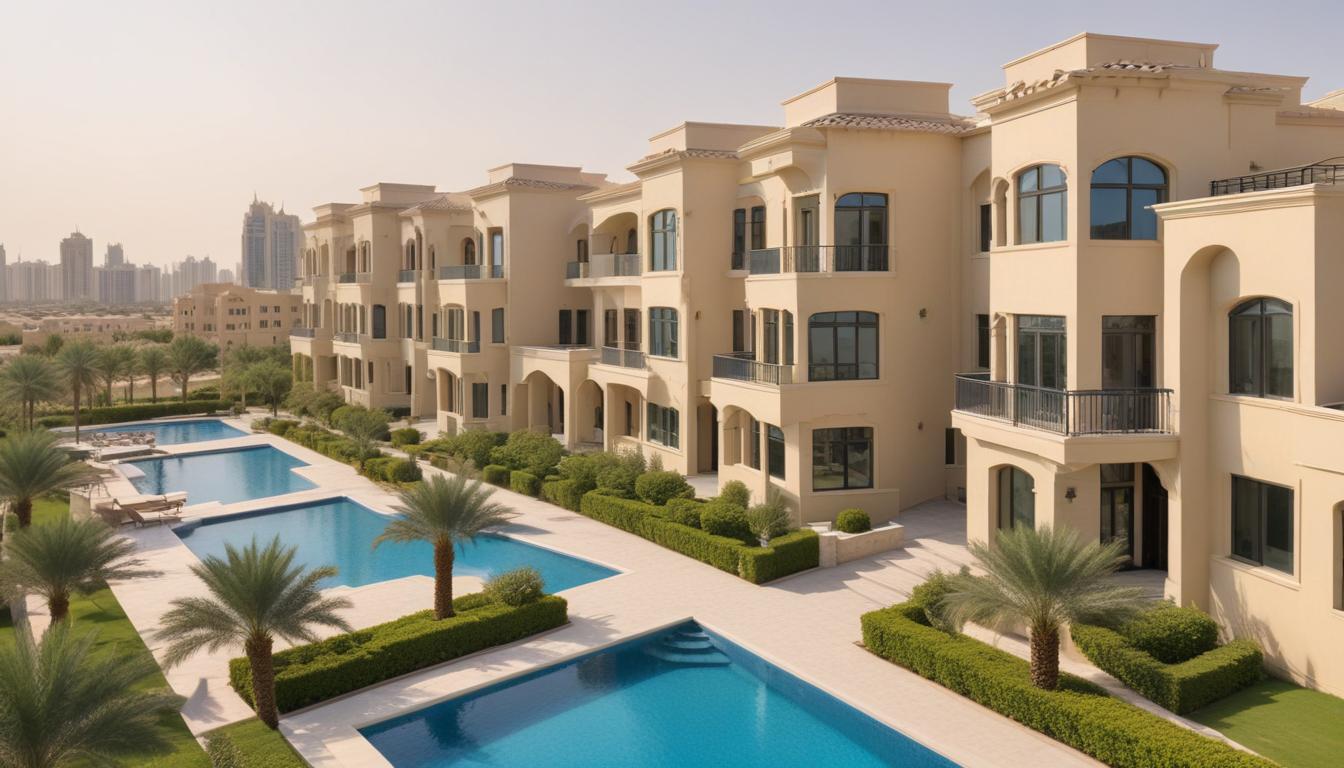
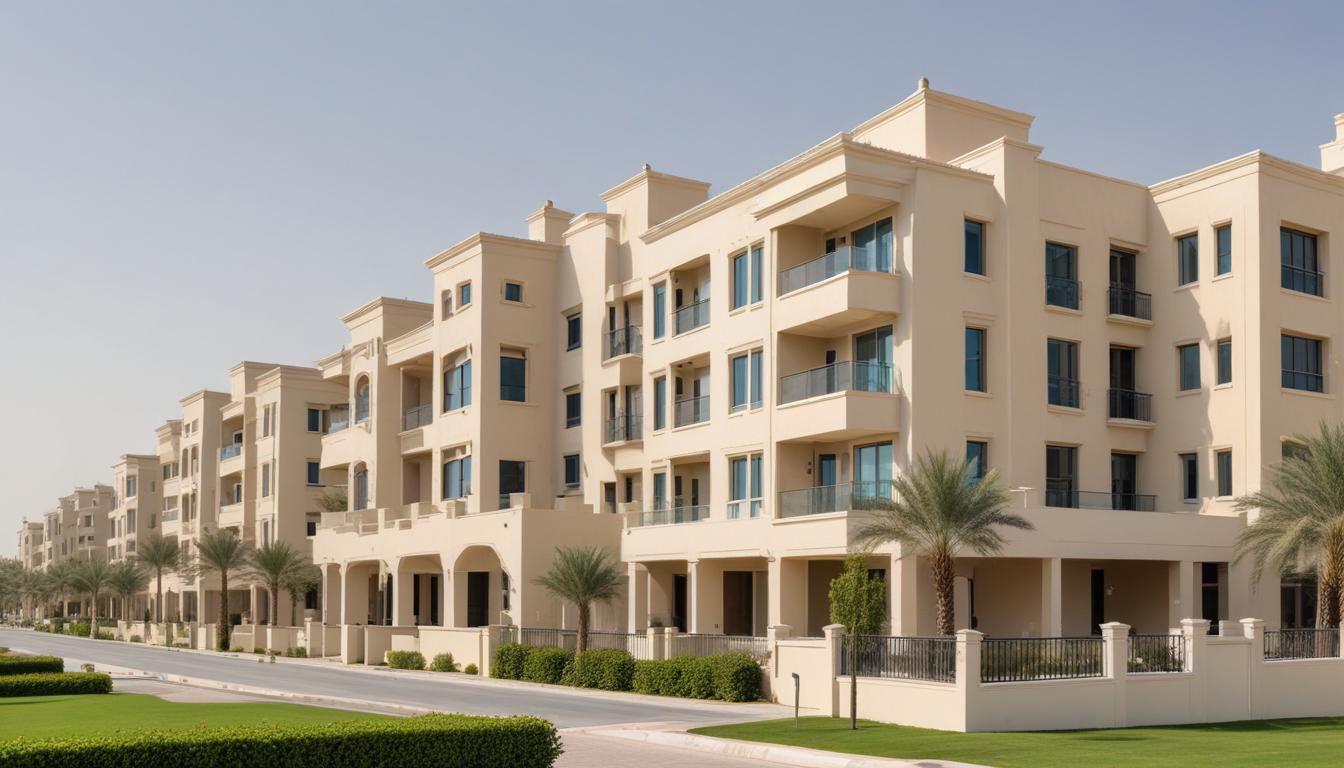
The golden visa effect—which has driven a documented 40 per cent surge in overseas buyer inquiries since 2023—is reshaping demand patterns. International families are increasingly seeking value neighbourhoods with community amenities, school proximity and transport links. Areas like Arabian Ranches, Meadows and Dubai Sports City are witnessing rental activity that outpaces downtown, with yields hovering between 5 and 6.5 per cent, supported by stable, family-oriented tenant profiles and lower vacancy rates.
Data from property registrations at the Dubai Land Department reveals another telling trend: secondary markets like Dubailand pockets and emerging Dubai South communities are seeing faster tenant turnover cycles but stronger net occupancy rates. This translates to predictable, if modest, returns—precisely what institutional investors and yield-focused portfolios increasingly value.
The takeaway for investors is stark: chasing iconic addresses without stress-testing the numbers is now a luxury play, not a returns play. The neighbourhoods where yields are genuinely climbing are those balancing affordability, international demand and practical amenities—exactly where the golden visa wave is landing.
This article was compiled by AI from the sources linked above and screened before publishing. See our editorial standards.