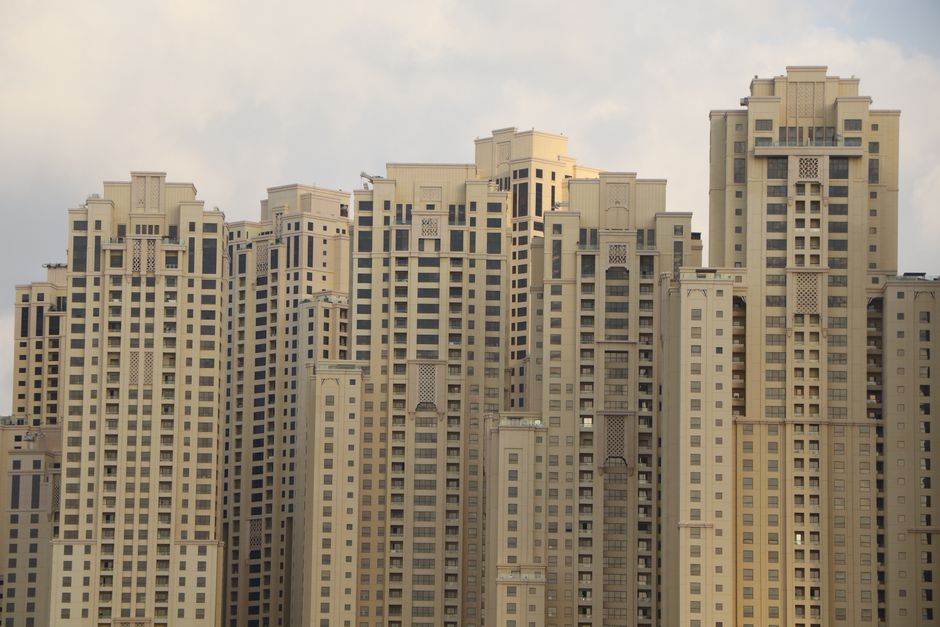
Dubai's rental market has reached a pivotal moment. With average prices hovering around AED 1,600 per square foot across the wider market, and premium areas like Downtown and Palm Jumeirah commanding multiples of that figure, the gap between supply, demand, and affordability has never felt more acute—or consequential.
For tenants, the reality is immediate. Families traditionally anchored to mid-range communities like Jumeirah Village Circle and Jumeirah Lake Towers are now facing annual rent increases of 5–8%, squeezing household budgets at a time when salaries have plateaued. A modest two-bedroom apartment in JVC, once priced around AED 65,000–70,000 annually, now regularly commands AED 75,000 or more. Meanwhile, waterfront neighbourhoods like JBR, long considered the lifestyle sweet spot for young professionals, have seen studio rentals drift towards AED 50,000, pricing out single earners entirely.
Landlords, meanwhile, find themselves in an equally complex position. Regulatory frameworks—including mandatory rent increase caps tied to the Real Estate Regulatory Authority guidelines—have capped returns on properties that were purchased years ago at different price points. A landlord who bought a JLT apartment during the 2015–2016 dip now faces narrower margins, even as maintenance costs and service charges climb. Some are choosing to exit the rental market altogether, converting properties to short-term holiday lets or simply holding assets for capital appreciation rather than rental yield.
The Government of Dubai's 'Home for a Home' initiative and broader affordable housing policies represent acknowledgment of this friction. Yet implementation remains patchy. New regulations encourage developers to allocate units in mixed-income projects, but incentives for landlords to participate in formal affordable rental schemes remain limited, leaving many property owners sceptical about regulatory-backed rental caps.
The data tells a cautionary tale. Recent clearance rate fluctuations in the secondary market reflect uncertainty: owners hesitant to sell at loss-making prices, buyers equally reluctant to stretch budgets. Rental demand, by contrast, remains buoyant—the 10-year golden visa programme continues to anchor longer-term tenancy, particularly among families seeking stability over flexibility.
The resolution will likely depend on three factors: whether policymakers introduce tax incentives for landlords participating in affordable schemes, whether developers accelerate mixed-income supply in emerging areas east of Sheikh Zayed Road, and whether employment growth in emerging sectors outpaces rent inflation. For now, Dubai's middle-market renters and landlords remain in a holding pattern—neither comfortable, neither entirely discouraged, but undeniably pressured.
This article was compiled by AI from the sources linked above and screened before publishing. See our editorial standards.