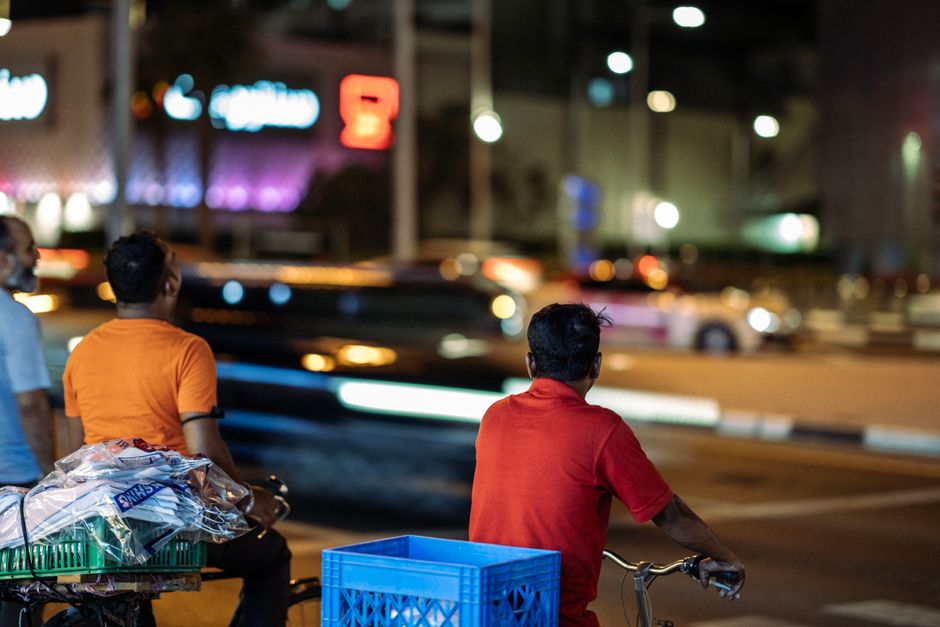
On any Thursday evening across Dubai's residential pockets—from Al Manara to Satwa, Deira to Jumeirah—you'll find modest huddles of athletes, coaches, and volunteers keeping a movement alive that predates the emirate's gleaming modern venues. This is where Dubai's sporting revolution truly began.
The Rashid Stadium, Hazza Bin Zayed Stadium, and Dubai Autodrome represent the visible pinnacle of the emirate's athletic infrastructure. Yet few recognise the decades of grassroots advocacy that made these facilities inevitable. Community sports clubs operating from converted warehouses and outdoor courts in areas like Bur Dubai and the Al Wasl neighbourhood became incubators for talent that would eventually fill those grand arenas.
"The story of sport in Dubai isn't top-down," explains the network of independent community organisers who've stewarded everything from futsal leagues in Karama to cycling clubs along the Al Khail Road corridor. These informal networks—many operating through WhatsApp groups and neighbourhood word-of-mouth rather than institutional channels—identified gaps in access and created solutions with limited budgets and considerable ingenuity.
Membership fees at grassroots clubs typically range from 500 to 1,500 AED annually, making sport accessible beyond the private club model that long dominated Dubai's landscape. Youth participation in community-led initiatives has expanded significantly, with hundreds now accessing structured training in basketball, volleyball, athletics, and badminton through neighbourhood organisations.
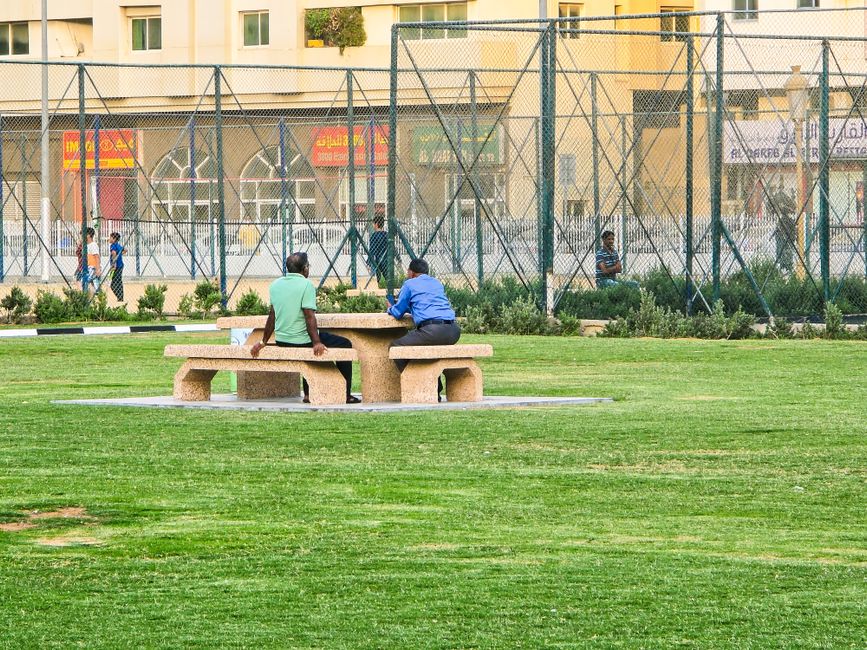
The Al Safa Park precinct has become a de facto sporting commons, hosting weekend tournaments and training sessions that feed directly into official club structures. Similarly, the Heritage Area near the Creek witnessed informal cricket and football networks that eventually formalised into registered associations, now directing young players toward Dubai's professional pathways.
What's remarkable is how these grassroots movements operated with minimal institutional visibility. Volunteer coaches—often working professionals donating evenings and weekends—maintained continuity through economic cycles and developmental phases. When the emirate's infrastructure accelerated, these communities were already positioned to populate the new venues with engaged athletes and educated supporters.
Today, as Dubai hosts international fixtures and competes for major tournament hosting, the stadium question has evolved beyond capacity and facilities. How do world-class venues remain tethered to the community movements that justified their construction? Forward-thinking administrators are beginning to answer this by embedding grassroots development into facility management—subsidised training hours, community access programmes, and coaching education initiatives that flow bidirectionally between elite and local levels.
The concrete courts of Satwa and the volunteer-run futsal leagues of Deira remain as vital to Dubai's sporting future as any stadium. They are the infrastructure of belonging, and increasingly, official policy recognises their worth.
This article was compiled by AI from the sources linked above and screened before publishing. See our editorial standards.