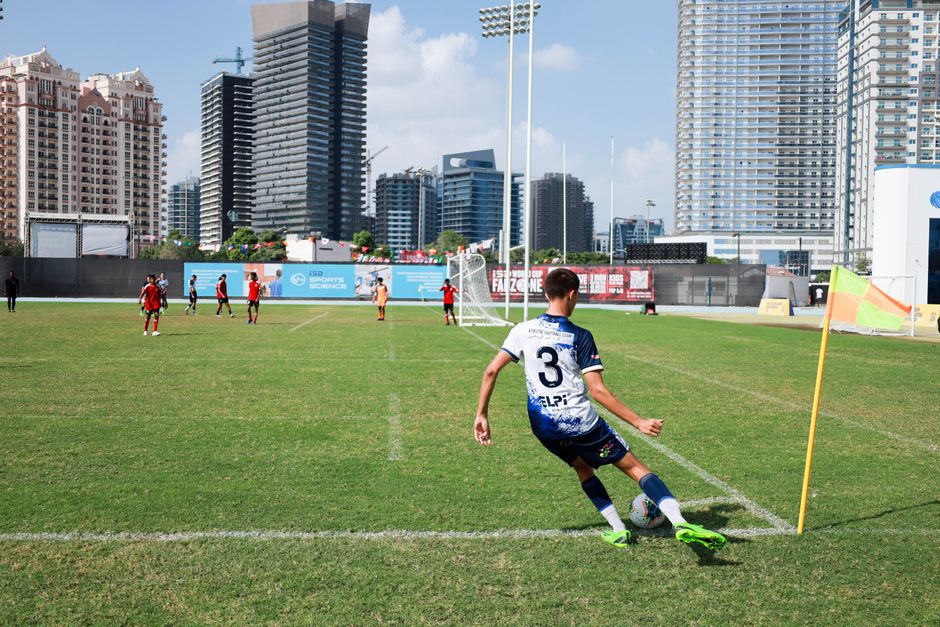
Walk through the neighbourhoods of Karama, Al Manara, and Satwa on any Friday evening, and you'll witness a quiet revolution unfolding across Dubai's dusty pitches and modest training grounds. Far from the floodlit stadiums of the UAE Pro League, grassroots football clubs are nurturing thousands of young players, transforming neighbourhoods one match at a time.
The scale is impressive. According to the Emirates Football Association's community development report, participation in neighbourhood-based football programmes has surged 34 percent since 2024, with an estimated 12,000 children now enrolled in informal league structures across Dubai's residential areas. Many of these initiatives operate on shoestring budgets, with annual registration fees averaging between AED 800 to 1,200 per player—a fraction of premium academy costs that can exceed AED 8,000 annually.
In Karama, the Karama Community Football Initiative has become a cornerstone institution, operating five training sessions weekly across two public pitches near the main souq. The organisation's model is deliberately inclusive: they've established dedicated programmes for girls—previously underrepresented in local grassroots football—and maintain open-door policies for both Emirati nationals and the substantial expatriate communities that call Dubai home.
What makes these movements remarkable is their grassroots authenticity. Unlike corporate-sponsored academies, community programmes rely on volunteer coaches, many of whom are retired semi-professional players or enthusiastic parents. This creates an environment where skill development takes precedence over commercialisation, and participation matters more than pedigree.
The impact extends beyond pitch boundaries. Youth workers report measurable improvements in social cohesion within mixed-nationality neighbourhoods. Football becomes a lingua franca—a universal language transcending language barriers between Indian, Filipino, Pakistani, and Emirati children sharing space under floodlights on Satwa's central grounds.
Yet challenges persist. Pitch availability remains constrained, with demand far outstripping municipal provision. Infrastructure improvements, while gradually materialising through initiatives like Dubai Municipality's neighbourhood sports development programme, remain inconsistent across different areas.
Despite resource constraints, these grassroots movements represent something increasingly rare in Dubai's professional sports landscape: authentic community ownership. They're not pipelines to stardom for a fortunate few, but rather accessible spaces where football serves its truest purpose—bringing people together.
As Dubai's football infrastructure continues evolving, these humble pitches deserve recognition as the real foundation upon which the emirate's sporting future is built.
This article was compiled by AI from the sources linked above and screened before publishing. See our editorial standards.