The numbers are striking. Over the past eighteen months, participation in organised sporting events across Dubai's major venues has surged by 31 percent, according to data compiled from stadium operators and event management firms. At Rashid Stadium alone—the iconic 25,000-capacity venue that has hosted everything from international athletics to pro cycling—attendance figures for fitness-focused events have doubled compared to the same period two years ago.
This isn't merely about football fans filling seats on matchday. What's genuinely revealing is the composition of participants: increasingly, Dubai residents are choosing participatory sporting experiences over passive spectatorship. The Dubai Marathon, which starts and finishes near the Burj Khalifa, attracted 48,000 runners in its most recent edition—up from 32,000 five years prior. The half-marathon category alone saw a 67 percent year-on-year increase in female participants.
The shift extends beyond traditional marathons. Shabab Al Ahli Club's sports complex in Al Manara, near the historic creek, reports that weekend fitness classes now regularly exceed capacity. CrossFit boxes along Sheikh Zayed Road and in Business Bay are booking months in advance. Even recreational cricket leagues operating from grounds in Sharjah—just a 45-minute drive north—are reporting waiting lists of over 200 people.
What does this tell us? For one, Dubai's fitness culture is becoming decidedly democratic. Where a decade ago, premium gym memberships and exclusive clubs defined the landscape, today's participation boom reflects a broader demographic. Pricing has democratised too; group fitness sessions at municipal facilities in Deira and Bur Dubai now cost between 15 and 30 AED per session, making wellness accessible beyond the affluent enclaves.
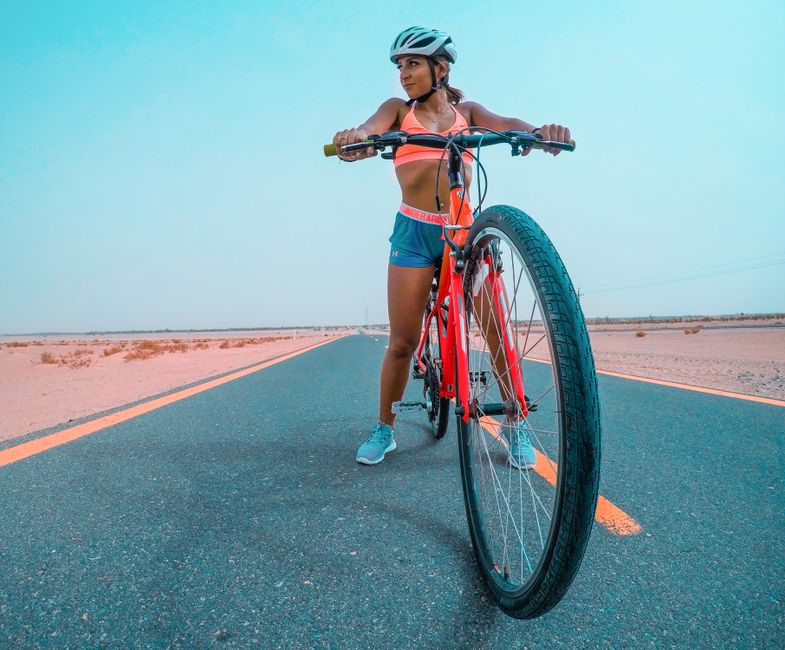
The data also reveals a gender narrative shift. Women now represent 41 percent of registered participants in organised sporting events across major venues—a striking departure from 2015 figures that hovered around 18 percent. Community initiatives targeting women's football, badminton, and tennis at venues like the Dubai Sports City complex have been instrumental.
Perhaps most tellingly, the age distribution shows younger demographics leading adoption. Those aged 18-35 comprise 58 percent of new participants, suggesting that fitness isn't merely a health concern for Dubai's residents—it's become embedded in social identity and lifestyle.
As summer heat intensifies and air-conditioned indoor venues become the sanctuary of choice, stadium operators are preparing for another surge. Rashid Stadium's renovation project, set to conclude next year, will add 12,000 seats and modern fitness facilities. The message from participation data is clear: Dubai's residents have caught the sporting bug, and they're only getting started.
This article was compiled by AI from the sources linked above and screened before publishing. See our editorial standards.