Walk through Al Wasl on a Friday evening, and you'll find it: a modest five-a-side football pitch tucked behind a cluster of villas, where teenagers trade passes under flickering floodlights. This is where Dubai's community sports story begins—not in the air-conditioned grandstands of Maktoum Stadium or the manicured lawns of Dubai Sports City, but in the humble grassroots spaces where local passion first takes root.
Over the past decade, Dubai's approach to sports infrastructure has quietly shifted. While the city continues to host marquee events like the Dubai World Cup and ATP 500 tournament, a parallel ecosystem has flourished: neighbourhood sports clubs, community recreation centres, and volunteer-led initiatives that serve thousands of residents who will never play professionally, but whose participation has fundamentally transformed the emirate's sporting culture.
The numbers tell the story. According to the Dubai Sports Council, participation in community sports programmes has grown by 42 per cent since 2020, with over 180,000 residents now actively engaged in organised recreational activities. Al Manara Sports Club, nestled in the quieter folds of Jumeirah, has become emblematic of this shift. Operating since 2018 with minimal commercial backing, the facility offers affordable badminton and table tennis sessions—fees hover around AED 200 monthly for unlimited access—making competitive sports accessible to families priced out of premium venues.
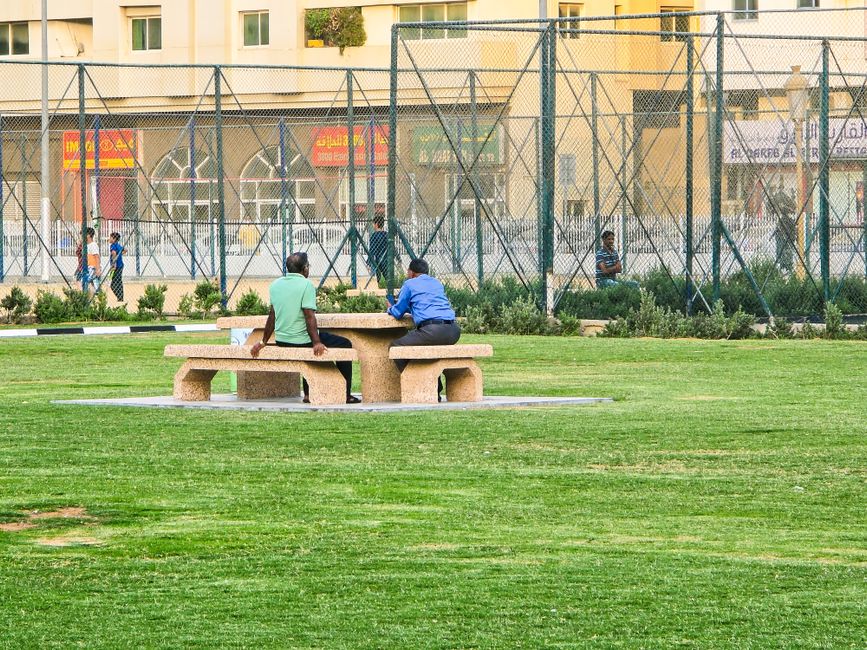
The real innovation, however, lies in how these grassroots movements have reversed the traditional infrastructure pyramid. Rather than expecting communities to gather around established stadiums, organisers have embedded sports into neighbourhoods themselves. Safa Park now hosts free weekend running clinics that draw 300 participants weekly. The Mushrif National Park initiative has formalised cycling trails that cater to everyone from beginners to serious enthusiasts. Dubai Municipality has invested in resurfacing pitches across Deira and Bur Dubai—historically overlooked areas now gaining recognition as thriving sporting communities.
What's particularly striking is the volunteer dimension. Community sports centres operating across Dubai's older residential areas depend substantially on unpaid coordinators—many of them residents who simply wanted better facilities for their children. This grassroots architecture has created something that money alone cannot buy: a sense of genuine ownership and belonging.
As Dubai prepares for its next phase of development, the message from these neighbourhood movements is clear: world-class venues matter, but community spaces shape culture. The future of sports in Dubai isn't written only in the grand arenas. It's written daily on dusty pitches across Al Wasl, Jumeirah, and Deira—where ordinary residents are building something extraordinary from the ground up.
This article was compiled by AI from the sources linked above and screened before publishing. See our editorial standards.