Dubai's football ecosystem has undergone a remarkable transformation over the past five years, with significant investment in venues and facilities that now rival international standards. The completion of upgraded training complexes and modern stadiums has positioned the emirate as a serious contender for developing homegrown talent while hosting world-class competitions.
The Rashid Stadium in Rigga, long considered the heartbeat of Emirati football, underwent comprehensive renovations concluding in 2024, increasing capacity to 10,000 and installing cutting-edge LED systems and climate-controlled facilities—essential given summer temperatures regularly exceed 45 degrees Celsius. This modernisation reflects the UAE Football Association's commitment to elevating domestic league standards, with the facility now hosting both Al Ahli and Shabab Al Ahli matches regularly.
Beyond matchday venues, the infrastructure supporting player development has equally impressed. The Al Barsha training complex, sprawling across 45 hectares near Sheikh Zayed Road, houses four full-sized pitches with hybrid grass technology, recovery centres equipped with cryotherapy chambers, and sports science laboratories. The facility accommodates multiple age groups simultaneously, from under-12 academies through to senior squads, with daily usage often exceeding 500 players during peak seasons.
The Al Wasl Club's purpose-built training ground in Umm Suqeim has similarly emerged as a benchmark facility, featuring pitch dimensions that precisely match UEFA specifications and underground drainage systems engineered to maintain playability year-round. Investment in such infrastructure typically ranges between AED 15-25 million per complex, reflecting the emirate's determination to professionalise the sport structurally.
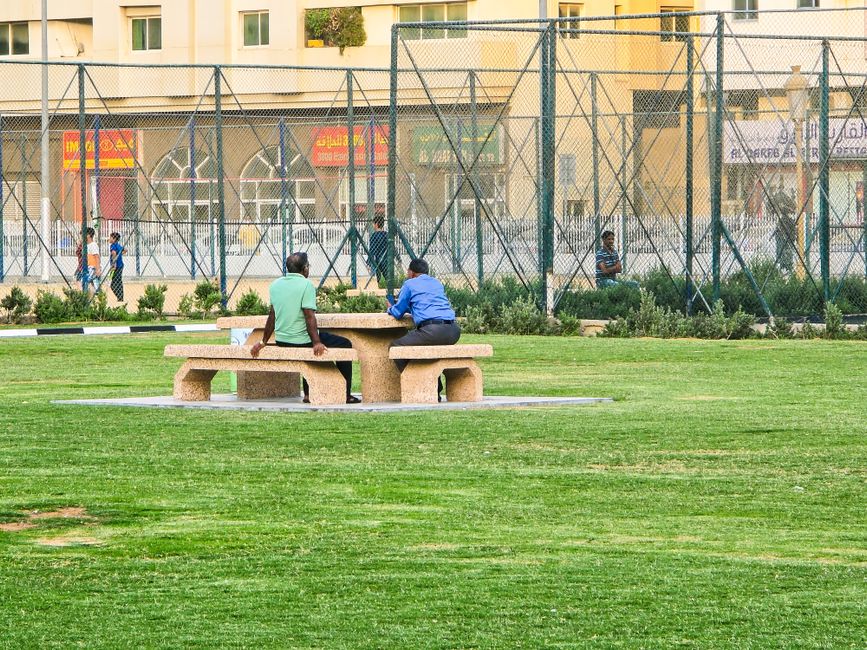
Municipal support has been instrumental. The Dubai Sports Council has backed the development of secondary pitches in neighbourhood facilities across Karama, Deira, and Satwa, democratising access to quality surfaces. These community grounds, while modest compared to flagship venues, charge nominal fees—typically AED 200-400 per hour—making football accessible across socioeconomic strata.
The Mohammed Bin Rashid Sports City remains central to this infrastructure narrative. Originally developed for the 2005 Gulf Games, its continued evolution includes dedicated football academies, residential facilities for elite athletes, and medical centres specialising in sports injuries.
Looking ahead, Dubai's bid to host the Asian Cup in future cycles hinges partly on these foundations. With venues properly equipped and training grounds internationally competitive, the emirate has genuinely moved beyond hosting reputation into infrastructure substance—a shift that promises significant implications for local football development and international tournament potential.
This article was compiled by AI from the sources linked above and screened before publishing. See our editorial standards.