While Expo 2020 Dubai's sprawling venues and the gleaming Mohammed Bin Rashid Stadium capture international attention, a quieter revolution is unfolding across the city's residential pockets. Local sports clubs are becoming the social glue holding communities together, proving that world-class infrastructure means little without the grassroots networks that feed it.
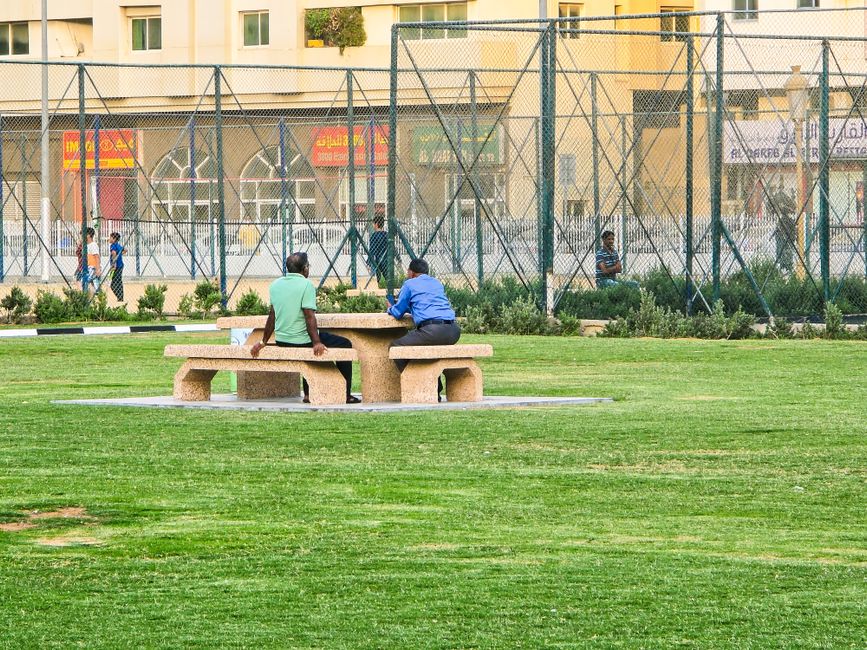
In Al Wasl, the Al Wasl Sports Club has expanded its cricket and football operations dramatically over the past two years, now serving over 3,000 active members across 15 competitive teams. The club's investment in training facilities along Al Wasl Road has transformed what was once underutilised municipal space into a vibrant hub where families gather not just for matches, but for cultural events and youth development programmes.
"The demand is there," explains the club's operations coordinator, noting that membership fees start at AED 800 annually for community members—deliberately priced to remain accessible to middle-income families. Youth academy programmes, which teach fundamental skills to children aged 5-12, now run at 85 per cent capacity across three age groups.
Similar momentum is evident in Jebel Ali, where the Dubai Jebel Ali Club has pioneered an integrated model combining traditional sports with wellness initiatives. Their recently upgraded volleyball and basketball courts now host not only competitive leagues but senior citizen fitness classes and adaptive sports programmes for residents with mobility challenges. Monthly community tournaments draw 500+ spectators—a far cry from the sparse attendance of five years ago.
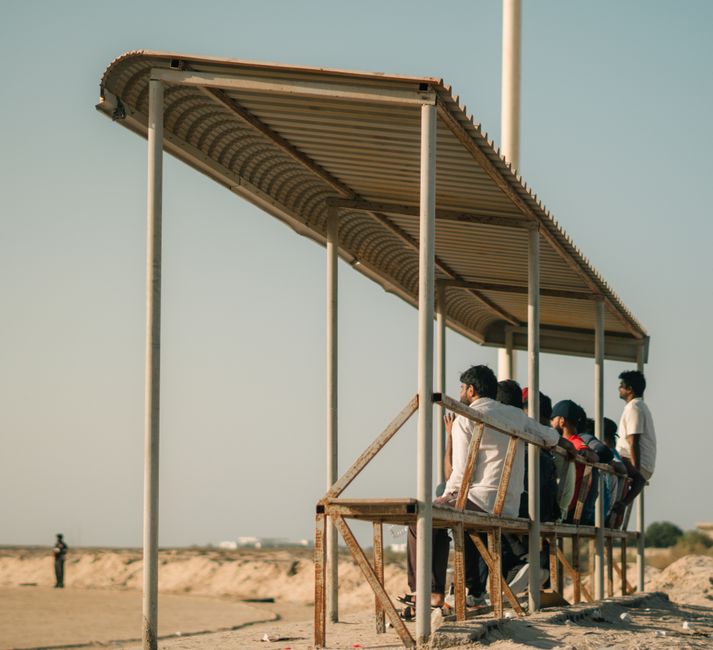
The Deira Sports Club, operating near Dubai's historic waterfront, has capitalised on its cultural geography. Their football leagues deliberately recruit across neighbourhood lines, with teams representing everything from small business associations to migrant worker communities. This year's season saw participation from 42 teams, up from 28 in 2024, with matches watched by families treating the grounds as weekend gathering spaces.
What's driving this renaissance? Partly, it's deliberate municipal support. The Dubai Sports Council's community grants programme now allocates over AED 15 million annually to grassroots initiatives. But equally important is how these clubs have moved beyond transactional membership, positioning themselves as neighbourhood anchors.
Venues matter, certainly. But increasingly, it's the clubs themselves—their ability to create belonging, foster local pride, and transform pitch-side spaces into genuine communities—that define modern sport in Dubai. As the emirate continues its infrastructural ascent, these humble clubs remind us that the real trophy is the one you build together.
This article was compiled by AI from the sources linked above and screened before publishing. See our editorial standards.