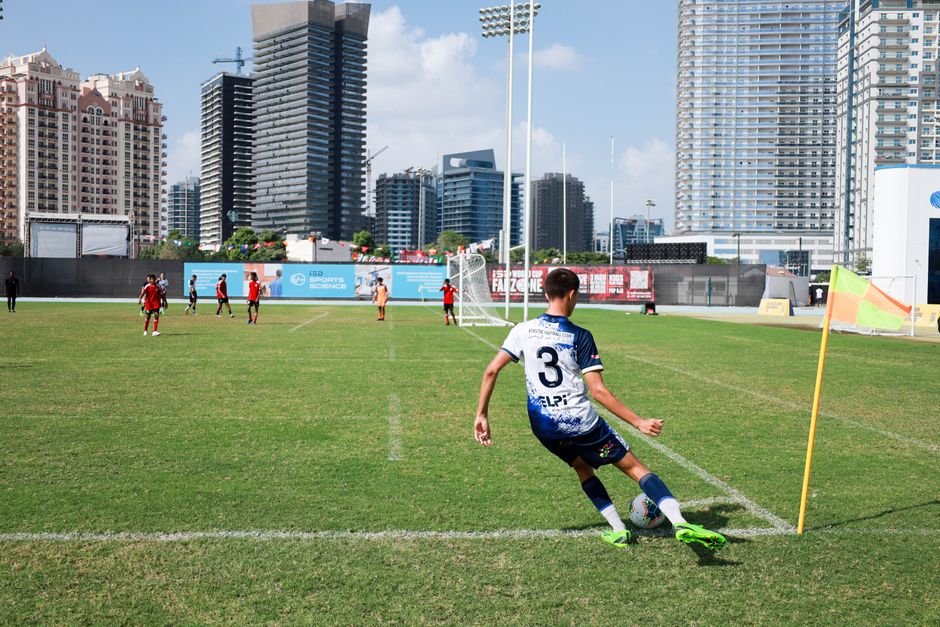
Dubai's commitment to nurturing young sports talent extends far beyond the glittering professional leagues that dominate headlines. Across the emirate, a network of purpose-built facilities and community clubs is quietly transforming grassroots athletics, offering thousands of children access to world-class coaching and infrastructure that rivals global standards.
The infrastructure boom reflects a strategic shift in how the emirate develops its sporting future. The Dubai Sports Council has invested heavily in neighbourhood-based facilities, with dedicated youth academies now operating in Al Barsha, Nad Al Sheba, and Jebel Ali. These centres host everything from tennis and swimming to cricket and football, with many offering subsidised programmes for Emirati nationals and competitive rates for expat families—typically ranging from AED 200 to AED 800 monthly depending on sport and age group.
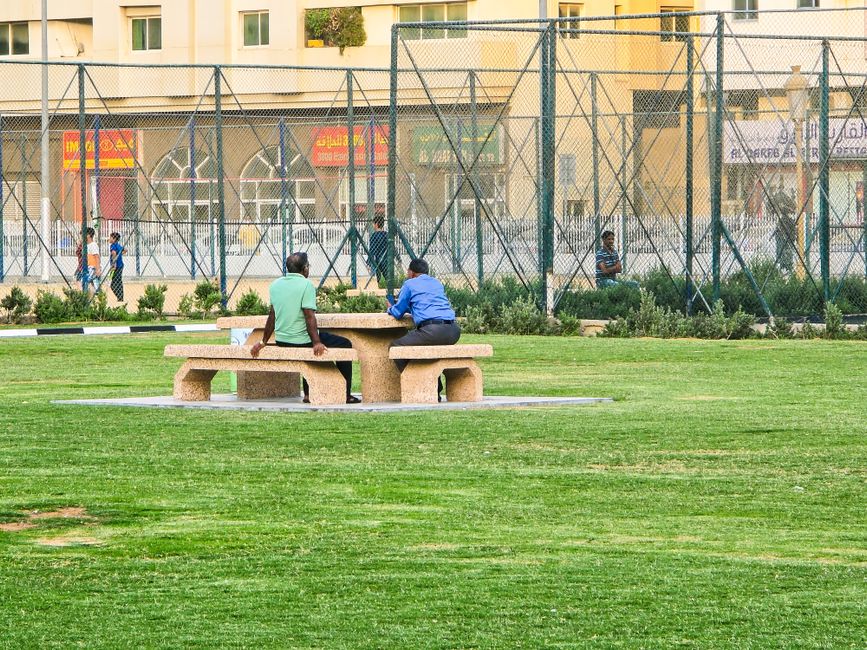
Perhaps most significant is the expansion of community courts and public-access facilities across traditional neighbourhoods. Deira's Al Rigga Sports Club, one of the oldest grassroots hubs, has undergone major renovation, now featuring six renovated football pitches and dedicated training zones for young cricketers. Similarly, Bur Dubai's refurbished community centre provides badminton, table tennis, and athletics tracks at affordable rates, serving families who might otherwise struggle to access premium facilities in newer developments.
The Nad Al Sheba Sports Complex stands as a flagship example of Dubai's integrated approach. Spanning 500 hectares, it houses dedicated youth academies alongside professional training grounds, allowing young athletes to train on the same facilities as emirate-level competitors. This proximity to elite-level infrastructure has proven motivational for emerging talent.
Swimming, traditionally a cornerstone of youth development here, has seen particular investment. Beyond private club pools in Marina and Downtown, public facilities in Satwa and Karama now offer structured swimming academies with certified coaches, democratising access to aquatic training that was once concentrated in upmarket areas.
However, accessibility remains uneven. While northern Dubai neighbourhoods benefit from established community infrastructure, rapid expansion in Southern Areas means some newer residential zones still lack sufficient local facilities, forcing families to commute significant distances. Sports Council officials acknowledge the challenge, with plans to add eight new neighbourhood hubs across Arabian Ranches, Damac Hills, and Arabian Ranches 3 by 2028.
The long-term impact is measurable: youth participation in organised sports across Dubai has grown approximately 22% over the past three years, according to local sports development data. That expansion depends entirely on whether grassroots infrastructure keeps pace with the emirate's explosive population growth—a challenge that will define Dubai's athletic future for the next generation.
This article was compiled by AI from the sources linked above and screened before publishing. See our editorial standards.