Dubai's Fitness Revolution: How World-Class Facilities Are Reshaping the City's Training Culture
From beachfront studios to ultra-modern wellness complexes, Dubai's expanding infrastructure is attracting serious athletes and casual gym-goers alike.
From beachfront studios to ultra-modern wellness complexes, Dubai's expanding infrastructure is attracting serious athletes and casual gym-goers alike.
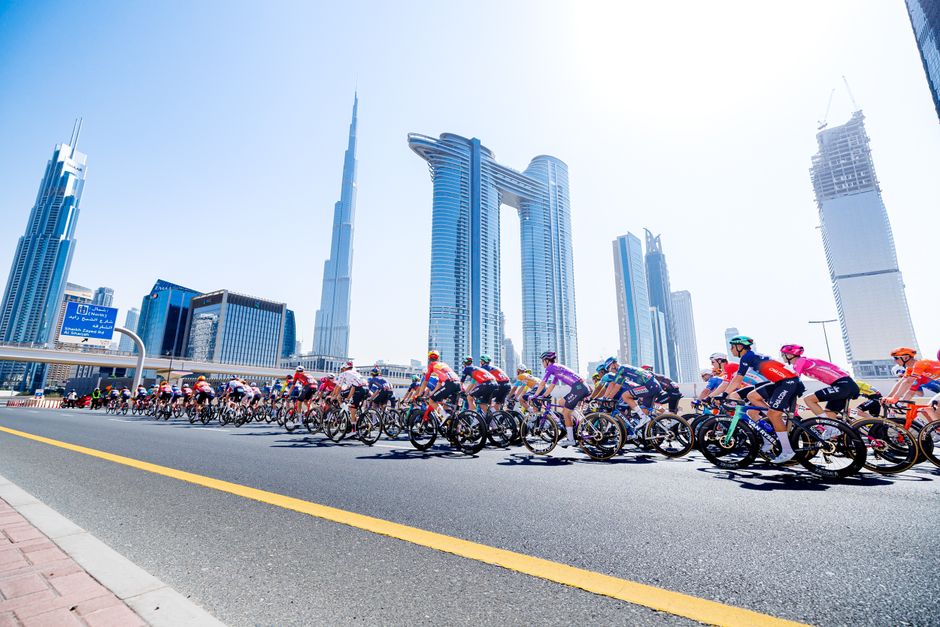
Dubai's fitness landscape has undergone a dramatic transformation over the past five years, with sprawling training facilities and state-of-the-art venues now anchoring neighbourhoods across the emirate. The shift reflects not just rising health consciousness among residents, but a fundamental reimagining of how the city supports athletic ambition at every level.
The concentration of premium gyms along Sheikh Zayed Road and in Downtown Dubai has intensified competition, driving innovation in facility design. Major chains have invested heavily in Dubai Marina and Jumeirah, where beachfront locations command premium membership fees—typically ranging from AED 150 to 300 monthly for standard access. Meanwhile, the emergence of specialist training hubs in Al Wasl and Umm Suqeim has democratised access to professional-grade equipment and coaching, with boutique studios offering everything from CrossFit to functional movement training at mid-range price points.
What sets Dubai's fitness infrastructure apart is the integration of outdoor spaces. The Al Khail Trail, spanning over 93 kilometres, has become essential infrastructure for runners and cyclists, while the beaches in Jumeirah and Al Mamzar remain focal points for early-morning training communities. Local sports clubs—particularly those affiliated with universities and corporate entities—have invested in dedicated training zones with climatic controls essential for summer conditioning.
The Dubai Sports Council's emphasis on grassroots development has spurred facility upgrades across public recreation centres. Facilities like those at Rashid Sports Complex now offer subsidised access alongside elite-level coaching, creating a tiered system that supports everyone from weekend joggers to aspiring competitive athletes. Recent investments in tennis courts, swimming pools, and track facilities have addressed long-standing gaps in accessible infrastructure.
Technology integration marks another defining characteristic. Many facilities now feature AI-powered fitness tracking, real-time performance analytics, and virtual coaching—catering to the tech-savvy demographic that comprises much of Dubai's expat fitness community. Membership apps coordinate class schedules across multiple venues, reflecting the city's highly mobile population.
The infrastructure expansion has attracted regional and international sporting events, validating investment in training venues. Facilities that previously hosted only local competitions now support international standards, creating knock-on demand for higher-specification equipment and professional coaching certification programmes.
Looking ahead, the fitness facility sector shows no signs of slowdown. Planned developments in Mohammed Bin Rashid City and new waterfront projects promise further diversification, ensuring Dubai's position as a regional training destination remains secure.
This article was compiled by AI from the sources linked above and screened before publishing. See our editorial standards.
How does this story make you feel?
Spread the word
About this article
Published by The Daily Dubai
Daily brief
Free, in your inbox before 7am. Weekdays.
More in Sport