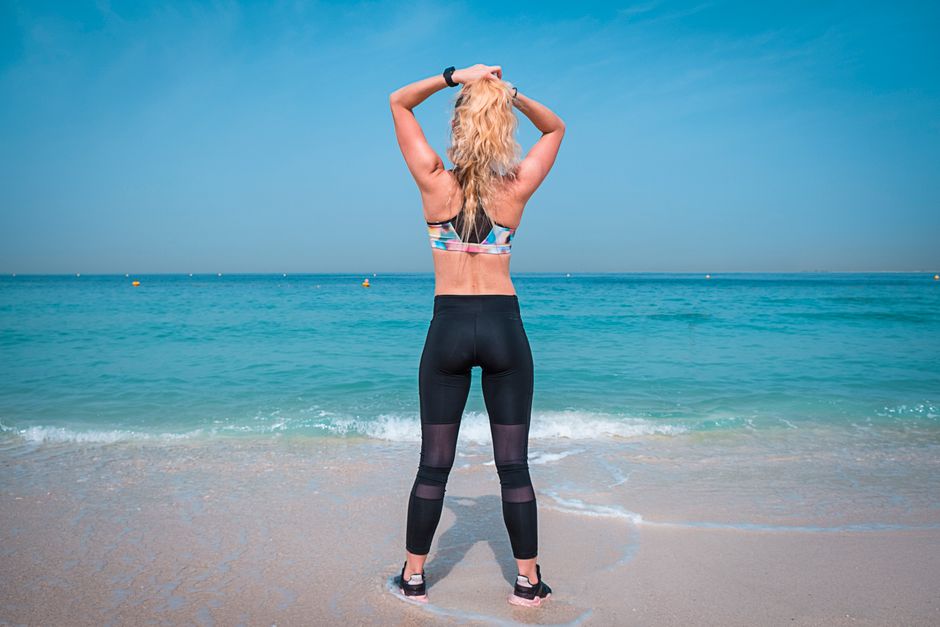
Dubai's waterfront has long been a playground for tourists, but increasingly, it's becoming a genuine hub for community-driven aquatic sports. Over the past 18 months, membership at established swimming and water sports clubs across the emirate has surged by an average of 34 percent, reflecting a broader shift toward health-conscious, socially connected leisure activities among residents.
The phenomenon is most visible at facilities clustered around the Arabian Gulf coastline and man-made lagoons. Clubs operating from Jumeirah Beach Residence to Deira have reported waiting lists extending into months, particularly for youth programmes and competitive swimming squads. One prominent club based near the Jebel Ali waterfront now operates four separate membership tiers catering to everyone from recreational lap swimmers to aspiring Olympians, with monthly fees ranging from AED 450 to AED 1,200.
"What we're seeing isn't just about fitness anymore," explains the landscape of Dubai's aquatic landscape. Members cite community as the primary draw. Weekend morning sessions at clubs around Umm Suqeim have evolved into social occasions, with swimmers gathering for coffee post-training. Parents managing young children at learn-to-swim programmes—typically priced between AED 300 and 500 per month—often stay poolside, creating informal networks that extend beyond the water.
Stand-up paddleboarding groups launching from Kite Beach and windsurfing clubs at Umm Al Quwain have similarly expanded their rosters. These outdoor water sports attract a younger demographic; Instagram-driven activity around weekend sessions has made previously niche pursuits mainstream. One local paddleboard club reported tripling its active members in the past two years, now hosting fortnightly races and monthly social paddles.
The infrastructure supporting this growth reflects genuine investment. Several clubs have upgraded facilities with poolside gymnasiums, nutrition coaching, and dryland training facilities. The competitive advantage matters: swimmers from Dubai clubs have increasingly represented the UAE at regional championships across the Gulf Cooperation Council nations.
Beyond elite athletics, the real transformation lies in the everyday. Rehabilitation swimmers recovering from injuries now find structured communities through club programmes. Expat families new to Dubai discover social anchors through aquatic clubs faster than traditional neighbourhood groups. Retirees have joined seniors' swimming programmes in meaningful numbers, with several clubs now operating dedicated morning sessions.
As Dubai continues its urban evolution, these water-based communities offer something the city's transient nature often obscures: genuine belonging. In a metropolis defined by constant change, local aquatic clubs are proving that consistent, accessible community remains currency worth investing in.
This article was compiled by AI from the sources linked above and screened before publishing. See our editorial standards.