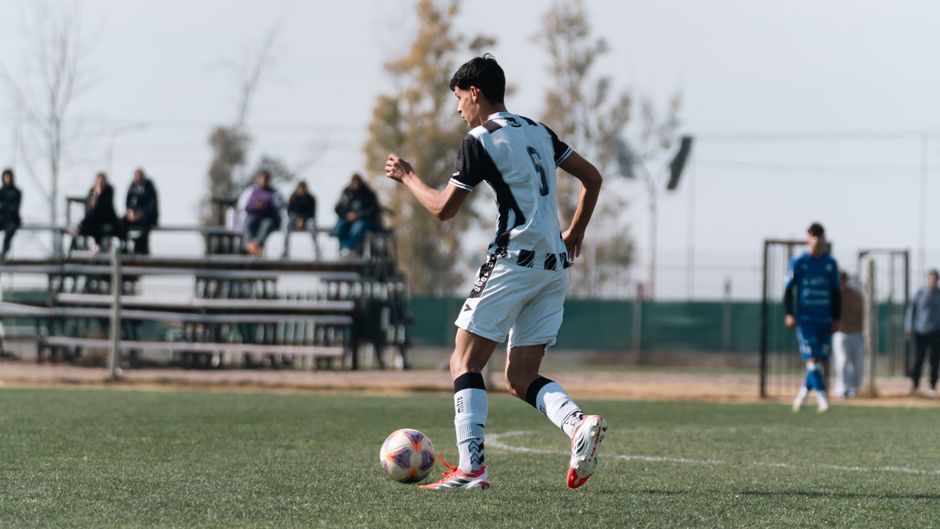
Beyond the Floodlights: The Grassroots Story Behind Dubai's Community Sport Movement
While world-class stadiums grab the headlines, a quieter revolution is reshaping sport from the bottom up across Dubai's neighbourhoods.
While world-class stadiums grab the headlines, a quieter revolution is reshaping sport from the bottom up across Dubai's neighbourhoods.

Dubai Sports Council registered more than 340,000 active community sport participants in 2025, a figure that has doubled since the opening of the Mohammed Bin Rashid Al Maktoum Stadium complex in Al Quoz was repurposed to include public-access training zones in January 2024. The number tells a story the gleaming facades of Coca-Cola Arena and Dubai International Stadium rarely do: elite venues are finally feeding something at street level.
The timing matters. With the 2030 FIFA World Cup infrastructure build-out still generating construction noise across the Gulf, and global attention fixed on mega-venues worth hundreds of millions of dirhams, city planners in Dubai have quietly shifted a portion of their focus toward what happens in the hours those stadiums sit dark. The question is whether the infrastructure investment trickles down far enough to matter to a 14-year-old in Deira who cannot afford private academy fees.
The Dubai Community Sports Initiative, launched under Dubai Sports Council in March 2023 with an initial AED 12 million budget, has converted underused asphalt courts and municipal parks into structured sport hubs. Zabeel Park in Karama now runs five-day-a-week football and basketball sessions, free of charge, drawing an average of 180 participants per weekend morning according to council data published in May this year. Al Mamzar Beach Park on the Deira coastline added a permanent beach volleyball circuit in late 2024, anchored by certified coaching sessions every Friday that cost participants nothing beyond park entry at AED 5.
The grassroots network is not purely government-driven. Dubai Cares, the education-focused philanthropic organisation headquartered in the DIFC, partnered with Hamdan Sports Complex in Ras Al Khor in October 2025 to run a 16-week after-school sport literacy programme targeting children from lower-income households in the nearby Al Warqa district. Hamdan Sports Complex, which covers 35 hectares and includes an Olympic-standard athletics track, opened its infield on Tuesday and Thursday evenings specifically for the programme, giving children access to facilities that normally sit behind paid memberships starting at AED 2,400 per year.
A Sport England-style participation audit commissioned by Dubai Sports Council and published in February 2026 found that 61 percent of Dubai's community sport participants come from non-Emirati expatriate backgrounds, predominantly from South Asia and Sub-Saharan Africa. The same report identified Al Quoz Industrial Area, International City, and Muhaisnah as the three zones with the highest participation rates but the fewest permanent sport facilities per capita. The council's response — announced in April — is a AED 28 million allocation toward six new multi-sport courts across those three areas, with groundbreaking scheduled before the end of 2026.
Access fees remain a friction point. A 2025 survey by the UAE-based policy research group Governance Analytics found that 43 percent of respondents in lower-income brackets cited cost as their primary barrier to regular sport participation. Free programmes at Zabeel Park and Al Mamzar address part of that gap, but they are concentrated in more central postcodes, leaving workers housed in Industrial Area neighbourhoods a 40-minute commute from the nearest free session.
The practical path forward is already mapped. Dubai Sports Council has confirmed a free shuttle partnership with RTA, scheduled to launch in September, connecting International City's Dragon Mart bus terminus to Hamdan Sports Complex on weekend mornings. Meanwhile, the community sport hubs in Al Quoz will expand their programming calendar to include cricket nets — a pointed acknowledgement that for hundreds of thousands of South Asian residents, football and basketball are secondary sports at best. Registration for the autumn cycle of community programmes opens August 1 through the Dubai Now app, where free sessions in all three priority zones will be bookable under the new Sport For All tab. The stadiums will continue to dazzle. But the real gauge of whether Dubai's sport infrastructure is working is whether a warehouse worker in Muhaisnah has somewhere to play on a Thursday night.
How does this story make you feel?
Spread the word
About this article
Published by The Daily Dubai
Daily brief
Free, in your inbox before 7am. Weekdays.
More in Sport