The Numbers Don't Lie: Dubai's Youth Sport Participation Data Reveals a City Still Learning to Play
Registration figures from grassroots clubs across the emirate paint a complicated picture of a fitness culture that is growing fast but unevenly.
Registration figures from grassroots clubs across the emirate paint a complicated picture of a fitness culture that is growing fast but unevenly.
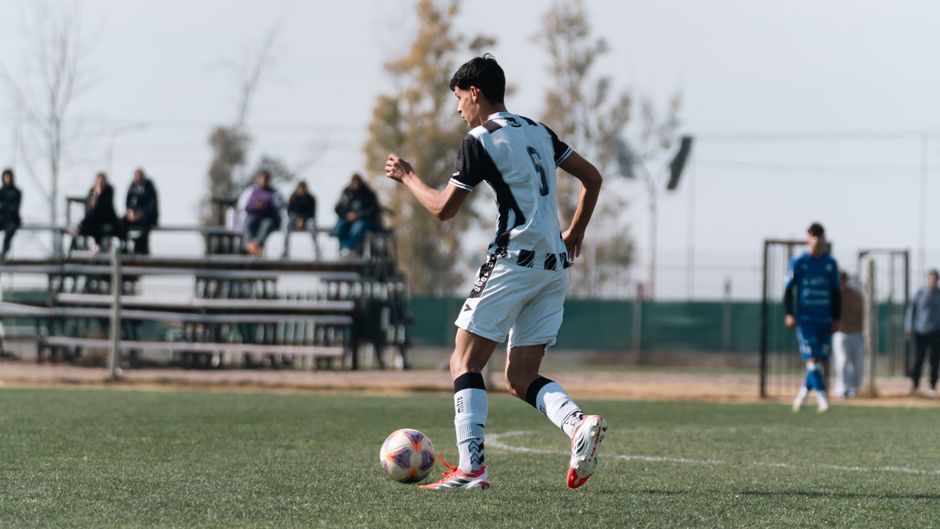
More than 74,000 children between the ages of five and 17 are now enrolled in organised sport programs across Dubai, a figure the Dubai Sports Council confirmed in its mid-year participation audit released this week. That number is up 18 percent on the same period in 2024. It sounds like a triumph. Look closer at the breakdown, and it gets more interesting.
The timing matters. Dubai's grassroots sport ecosystem has been under pressure to prove itself ahead of the 2034 FIFA World Cup hosting announcement cycle, with Gulf rivals Riyadh and Doha aggressively expanding youth academies. Inside the emirate, the Dubai Sports Council's National Youth Sport Initiative, launched in September 2023, set a target of 100,000 registered youth participants by the end of 2026. At the current rate of growth, that target is achievable, but only just.
Football dominates. Nearly 31,000 of the registered participants are in structured football programs, spread across facilities from the Hamdan Sports Complex in Al Wasl to the Al Nasr Leisureland pitches off Oud Metha Road. Dubai Sports City, the 50-million-square-foot complex off Sheikh Mohammed Bin Zayed Road, accounts for roughly 9,000 of those enrollments through its resident academies alone, including Manchester City's official UAE football school and the Dubai Stars Football Academy.
Swimming is the second-largest category at around 14,000 registrations, buoyed by mandatory aquatics programs in several GEMS Education schools and the expanded facilities at the Hamdan bin Mohammed bin Rashid Sports Complex. After that, the numbers drop sharply. Badminton, cricket, basketball and athletics combined account for fewer than 11,000 spots, a gap that sport administrators say reflects both availability of coaching staff and the cultural weight parents place on conventionally "serious" sports when choosing extracurricular activities for their children.
The data also reveals a persistent gender gap. Girls account for 29 percent of registered participants, up from 23 percent in 2023, a genuine improvement, but still well short of the Council's stated parity goal. Participation among girls is highest in gymnastics and swimming, and lowest in team sports such as football and rugby. The Mirdif-based Dubai Harriers athletics club, one of the emirate's oldest running organisations, reports that female junior membership has grown 40 percent since it relocated to a new track facility near City Centre Mirdif in late 2024, suggesting that environment and accessibility matter enormously.
The participation surge is real but it is concentrated. Jumeirah, Arabian Ranches and Dubai Hills Estate, wealthier villa communities with built-in sports infrastructure, produce disproportionately high registration rates. Areas like Deira, Al Quoz and International City, which have larger working-class and labour-community populations, are conspicuously underrepresented. Monthly fees for a structured youth football academy in Dubai run between AED 350 and AED 900, a barrier that is not trivial for families earning median wages in the emirate's service sector.
The Dubai Community Development Authority has a subsidised sport voucher program that can offset up to AED 500 per quarter for eligible low-income families, but uptake has been slow, in part because the application process requires an Emirates ID and proof of residency documentation that many expatriate families find difficult to assemble quickly.
There is also the heat problem. July is the month when grassroots football across the emirate effectively shuts down outdoors. Even Dubai Sports City's outdoor academies suspend evening training once temperatures stay above 38°C past 8pm. This annual three-month pause, roughly June through August, means the youth season is effectively nine months long at best, limiting the total hours of structured activity any child can accumulate in a year compared to programs in London or Singapore.
For parents trying to keep children active through summer, the practical options are limited but real: indoor facilities at Dubai Ice Rink in The Dubai Mall, swimming at the Club Vista Mare pool in Palm Jumeirah, or the air-conditioned sports halls at IMG Worlds of Adventure. The Dubai Sports Council says it is planning a Summer Sport Grant scheme for 2027 that would subsidise indoor venue rental for community clubs. Clubs that want to register now can do so through the Dubai Sports Council's online portal, with the next registration window opening August 15, the earliest realistic date for the outdoor season to resume safely.
How does this story make you feel?
Spread the word
About this article
Published by The Daily Dubai
Daily brief
Free, in your inbox before 7am. Weekdays.
More in Sport


