Dubai's thriving professional landscape attracts hundreds of thousands of job seekers annually, yet cybersecurity experts warn that the recruitment process itself has become a prime hunting ground for data thieves and identity fraudsters targeting vulnerable workers.
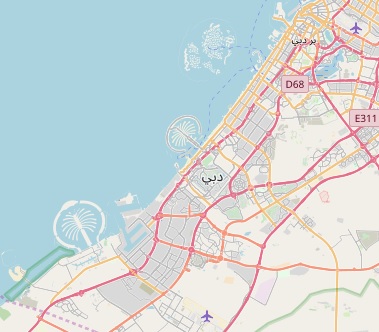
The risks are particularly acute for professionals moving between roles across the emirate's sprawling business districts—from the Marina's gleaming towers to the emerging tech hubs in Dubai South and JBR. A recent regional cybersecurity report found that 67 per cent of job applications in the Middle East contained unencrypted personal data, including passport scans, salary slips, and family information. For Dubai's competitive job market, where thousands apply for single positions, this exposure compounds dramatically.
"When you're uploading your CV and documents to recruitment platforms, you're essentially broadcasting your identity," explains a Dubai-based digital security advisor. "Many job seekers don't realise that unvetted job boards or compromised company email accounts can intercept these submissions."
The vulnerability extends beyond initial applications. Once hired, many professionals in Dubai's multinational organisations face additional risks through poorly secured corporate networks, unsecured WiFi in co-working spaces scattered across Business Bay and Downtown, and oversharing on professional social networks. Recent incidents across the UAE's corporate sector have exposed employee data linked to inadequate password protocols and unverified third-party HR platforms.
For workers in Dubai, practical protection measures are essential. Security professionals recommend using dedicated email addresses for job applications separate from personal accounts, encrypting sensitive documents before upload, and verifying recruiter credentials independently before sharing documents. Creating strong, unique passwords—using combinations of 16+ characters—remains foundational but is often overlooked.
Professionals should also scrutinise privacy policies on recruitment sites, request confirmation that platforms use SSL encryption (indicated by HTTPS in the URL), and be wary of unsolicited job offers requesting upfront fees or personal banking details. The UAE's regulatory framework has strengthened under the Cybersecurity Law, yet enforcement relies partly on individual vigilance.
Many of Dubai's larger employers now provide cybersecurity training, but freelancers and contract workers—increasingly common in the emirate's gig economy—must self-educate. Free resources from the UAE's National Cybersecurity Council (NCSC) offer guidance tailored to regional risks.
In a city where professional opportunity and digital exposure intersect daily, protecting your data during the job hunt isn't optional—it's foundational to long-term career security.
This article was compiled by AI and screened before publishing. See our editorial standards.