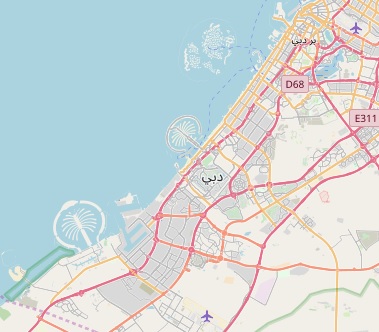
The Dubai startup ecosystem is undergoing a quiet but significant transformation. As of mid-2026, cybersecurity and data privacy have shifted from afterthoughts to boardroom priorities, reshaping how emerging companies operate across Innovation Hub and the wider Emirates ecosystem.
The catalyst? A combination of regional regulatory tightening and market pressure from international investors. The UAE's Personal Data Protection Law, strengthened in recent years, now carries teeth that startups cannot ignore. Compliance failures risk not just fines—they threaten access to Series A funding and partnership deals with established enterprises based in DIFC (Dubai International Financial Centre).
"We're seeing founders who previously skipped security audits now treating them as foundational," says the consensus among venture capital scouts operating out of offices along Al Wasl Road and DTEC (Dubai Silicon Oasis Technology Park). Companies building fintech solutions, logistics platforms, and healthcare apps are investing 15-20% of early budgets into encryption, data residency compliance, and privacy-by-design architecture—a sharp increase from just three years ago.
The shift reflects real market dynamics. Startups competing for talent in Downtown Dubai and Dubai Marina now highlight SOC 2 certifications and GDPR compliance in job postings to attract engineers. Meanwhile, established corporate clients—many headquartered in Sheikh Zayed Road's financial district—increasingly demand proof of data handling standards before signing contracts.
Several homegrown startups have positioned cybersecurity as their differentiator. While specifics remain confidential in competitive pitches, investors report increased traction for companies solving regional privacy challenges: encrypted communication platforms tailored to Middle Eastern regulatory environments, data localization solutions for companies operating across GCC markets, and identity verification systems that balance user privacy with anti-money laundering requirements.
The trend extends to education. Dubai-based accelerators and bootcamps now incorporate mandatory modules on data protection and ethical hacking. Startup events at venues like the Entrepreneurs Club in Jumeirah increasingly feature panels on regulatory compliance alongside traditional product-market fit discussions.
Not all founders embrace the shift willingly. Early-stage teams report that security infrastructure adds complexity and cost at stages when runway is precious. Yet the regulatory environment—and the reputational damage visible in news cycles globally—leaves little room for shortcuts.
By 2026, privacy is no longer a feature request. In Dubai's startup scene, it's becoming a survival requirement.
This article was compiled by AI and screened before publishing. See our editorial standards.