Why Dubai's Tech Ecosystem is the World's Most Regulated—and That's Its Superpower
As global cybersecurity threats surge, the emirate's distinctive approach to digital governance is reshaping how multinational firms think about data protection.
As global cybersecurity threats surge, the emirate's distinctive approach to digital governance is reshaping how multinational firms think about data protection.
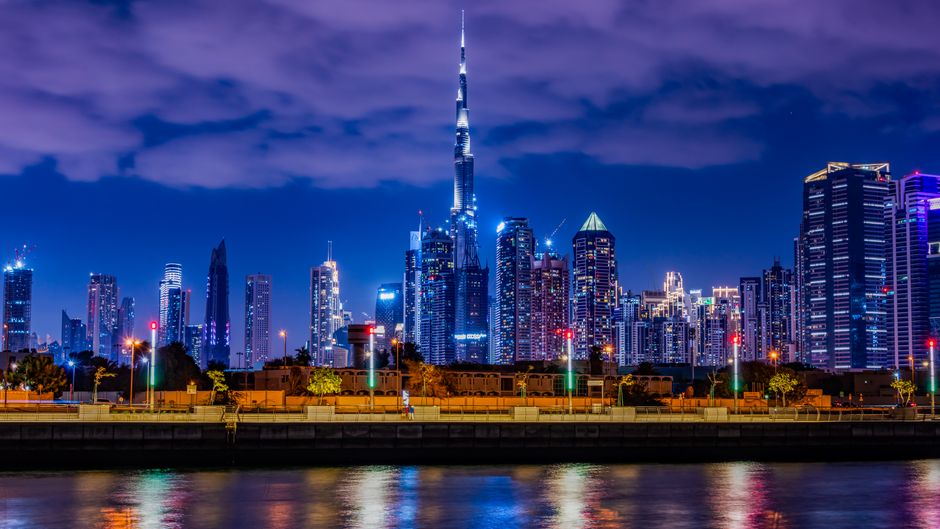
Walk into any startup hub along Al Wasl Road in Dubai's vibrant Jumeirah neighbourhood, and you'll notice something that sets this tech ecosystem apart from Silicon Valley, London, or Singapore: security isn't an afterthought. It's foundational.
Dubai's distinctive position in global tech stems from a regulatory framework that arrived unusually early and remains unusually comprehensive. The UAE's Cybersecurity Strategy, combined with sector-specific guidelines like the Data Protection Law (Law No. 45 of 2021), has created an environment where compliance isn't viewed as friction—it's viewed as competitive advantage.
The numbers tell the story. Since 2021, cybersecurity job postings in Dubai have grown 340 per cent, according to recruitment data from LinkedIn, far outpacing global tech hubs. The emirate now hosts over 1,200 registered cybersecurity firms, clustering heavily in Dubai Internet City and the nearby Dubai Silicon Oasis, where companies like G42 and Darktrace maintain major regional operations. Average cybersecurity salaries here sit at AED 180,000–250,000 annually for mid-level roles—competitive globally, but lower than equivalent London or New York positions, making talent recruitment efficient.
What makes Dubai genuinely distinctive is the speed of adaptation. When global ransomware attacks intensified in 2024, the UAE's telecommunications regulator (TRA) issued mandatory security incident reporting timelines within weeks. Compare that to the year-long legislative processes in most Western democracies. This agility attracts organisations handling sensitive regional data—financial services, healthcare, government contracts—that might otherwise hesitate about Middle Eastern infrastructure.
The emirate's geographic position compounds this advantage. Dubai serves as a natural hub connecting Asia, Africa, and Europe, and its regulatory environment mirrors none of them entirely. GDPR compliance is enforced, yet local regulations allow data residency flexibility that European law prohibits. Chinese firms find more operational breathing room here than in Western-aligned nations. This neutrality—neither Western nor Eastern—creates a distinct category of appeal.
Not everyone celebrates this model. Privacy advocates note that the same regulatory apparatus enabling rapid corporate security responses also enables state surveillance. The lines between protection and monitoring remain contested. Yet from a purely competitive standpoint, Dubai's tech firms operate in an ecosystem where cybersecurity maturity is assumed, not aspirational.
As geopolitical tensions rise and multinational supply chains fragment, Dubai's approach—hyper-regulated, pragmatically neutral, technologically current—increasingly looks like a blueprint rather than an outlier. That's what makes this city's digital future distinctive.
This article was compiled by AI and screened before publishing. See our editorial standards.
How does this story make you feel?
Spread the word
About this article
Published by The Daily Dubai
Daily brief
Free, in your inbox before 7am. Weekdays.
More in tech