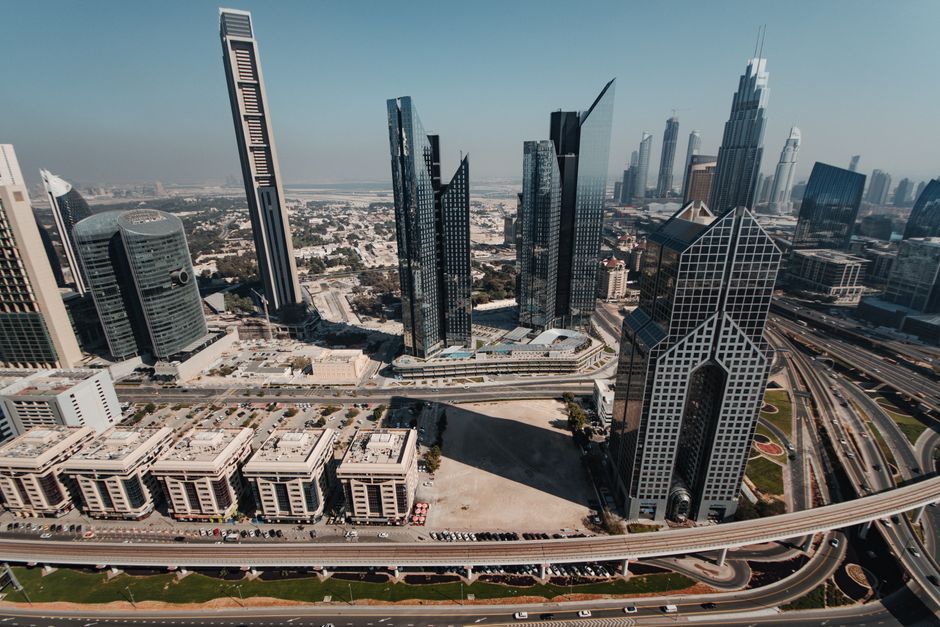
Walk through the gleaming corridors of Dubai Silicon Oasis or grab coffee at any hub along Sheikh Zayed Road, and you'll hear the same refrain: this is the moment. The UAE attracted over $1.7 billion in venture capital last year, with Dubai accounting for roughly 60 per cent of that flow. Co-working spaces in DIFC overflow with ambitious founders. Accelerators compete fiercely for cohorts. On the surface, it's a remarkable success story.
But beneath the polished pitch decks and celebration of unicorn valuations, a murkier picture emerges. Startup ecosystem insiders now openly acknowledge tensions that few wanted to discuss three years ago. The rush to fund and scale is creating structural problems that echo challenges visible globally—only amplified here by the region's unique regulatory environment and rapid growth trajectory.
One persistent concern: sustainability and accountability. Many VC-backed startups, particularly in fintech and logistics, operate with aggressive growth-at-any-cost models that prioritise metrics over long-term viability. When a Series B round brings $40 million to a two-year-old company, pressure to deploy that capital quickly can override thoughtful expansion. Several Dubai-based founders have quietly expressed concerns about investor pressure to expand beyond the GCC without sufficient local-market validation.
Labour practices present another flashpoint. Startups scaling rapidly through TECOM and Jumeirah Lake Towers often hire aggressively, sometimes without robust onboarding or worker protections. The tech industry's tendency to classify workers loosely—between permanent, contractor, and consultant roles—has become especially pronounced here, where expatriate labour represents the majority of tech talent.
Then there's the opacity problem. Unlike mature Silicon Valley, Dubai's venture ecosystem remains relatively opaque. Limited transparency around deal terms, founder backgrounds, and capital allocation raises questions about who benefits. Are Emirati founders receiving proportionally fair access? How many women-led startups are genuinely backed versus performatively included? Data remains scarce.
Regulatory arbitrage poses ethical risks too. Some entrepreneurs exploit lighter-touch regulations in certain sectors before compliance catches up—a short-term edge that can damage confidence in the ecosystem long-term. DFSA oversight has improved, but gaps remain.
The good news: stakeholders increasingly recognise these tensions. DIFC Authority initiatives on ESG standards, growing founder networks advocating for ethical practices, and more rigorous investor due diligence suggest maturation. But intention must translate into action. Dubai's startup promise depends on building prosperity that lasts—not just valuations that soar and burst.
This article was compiled by AI and screened before publishing. See our editorial standards.