Sleep wellness in Dubai: How local habits stack up against global trends
While the world embraces sleep-tech and early bedtimes, Dubai residents are charting their own path—and it's revealing gaps between aspiration and reality.
While the world embraces sleep-tech and early bedtimes, Dubai residents are charting their own path—and it's revealing gaps between aspiration and reality.
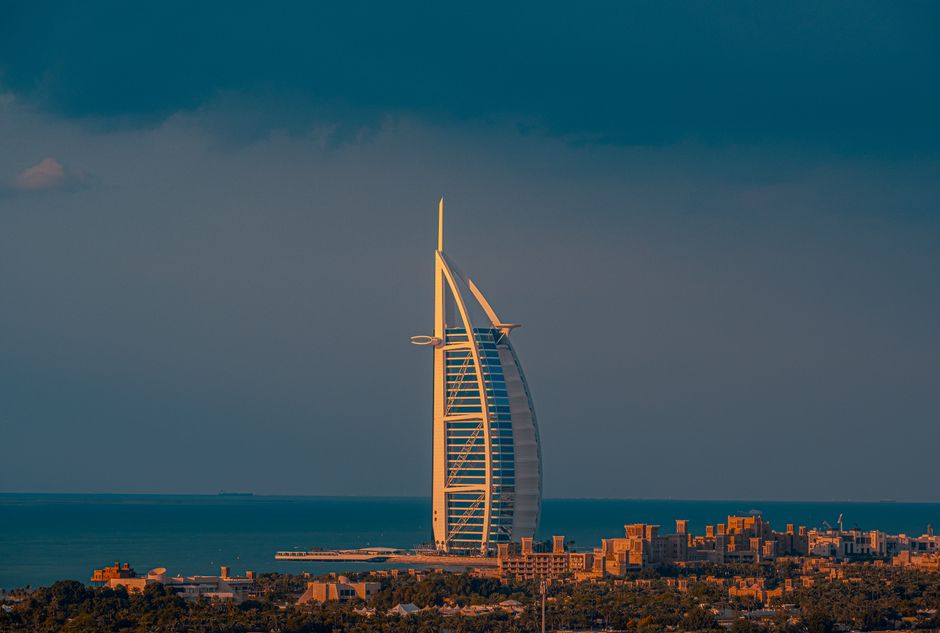
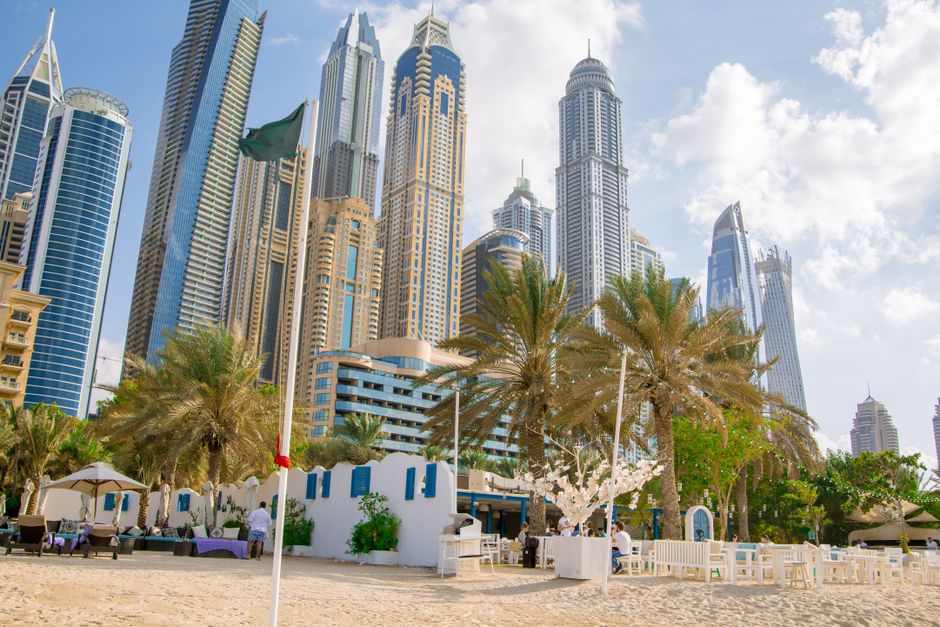
Dubai's wellness culture is famously ambitious. From the Marina Walk running track to JBR's year-round beach fitness scene, this city thrives on action. Yet when it comes to sleep—arguably the foundation of all wellness—local uptake of global trends tells a more complicated story.
Globally, sleep optimization has become a multi-billion-dollar industry. Weighted blankets, circadian rhythm apps, and sleep-tracking wearables dominate wellness conversations from London to Los Angeles. The science is clear: seven to nine hours nightly correlates with better cardiovascular health, mental resilience, and metabolic function. Yet in Dubai, where ambitious work cultures and year-round heat create unique pressures, sleep habits often lag behind awareness.
A 2025 regional wellness survey found that 62% of UAE residents acknowledge sleep quality impacts their health, yet only 31% actively manage their sleep environment or routine. Compare this to North America and Northern Europe, where adoption rates for sleep-tech and sleep hygiene practices exceed 45%, and a pattern emerges: Dubai residents know the importance but struggle with implementation.
The reasons are contextual. Summer temperatures regularly exceed 45°C, making bedroom cooling essential rather than optional—a cost barrier for many. Additionally, Dubai's transient population and round-the-clock business hub mentality create cultural pressure to prioritize productivity over rest. The Dubai Fitness Challenge's annual 30x30 initiative, while brilliant for movement awareness, inadvertently reinforces the notion that visible exertion matters more than invisible recovery.
Yet pockets of change are visible. Premium gyms across Downtown Dubai and Business Bay now offer recovery lounges with infrared saunas and meditation pods. Wellness clinics in Arabian Ranches and Emirates Hills increasingly prescribe sleep audits alongside fitness plans. Local sleep clinics have reported 40% growth in consultations since 2024, suggesting growing recognition that sleep deserves clinical attention.
The gap between global trends and local reality isn't a failure—it's an opportunity. Dubai's wellness community could benefit from reframing sleep not as a luxury indulgence but as performance infrastructure, similar to how the city approaches hydration or heat management during outdoor fitness. Practical solutions matter here: blackout solutions for early summer sunrise, affordable cooling options, and workplace policies that normalize afternoon rest.
As global wellness moves beyond trend-chasing toward sustainable health, Dubai has a chance to leapfrog. The city's ability to blend innovation with cultural context could position sleep wellness as the next frontier in its fitness evolution—one that doesn't require a gym membership or sunrise run.
This article was compiled by AI from the sources linked above and screened before publishing. See our editorial standards.
How does this story make you feel?
Spread the word
About this article
Published by The Daily Dubai
Daily brief
Free, in your inbox before 7am. Weekdays.
More in Wellness