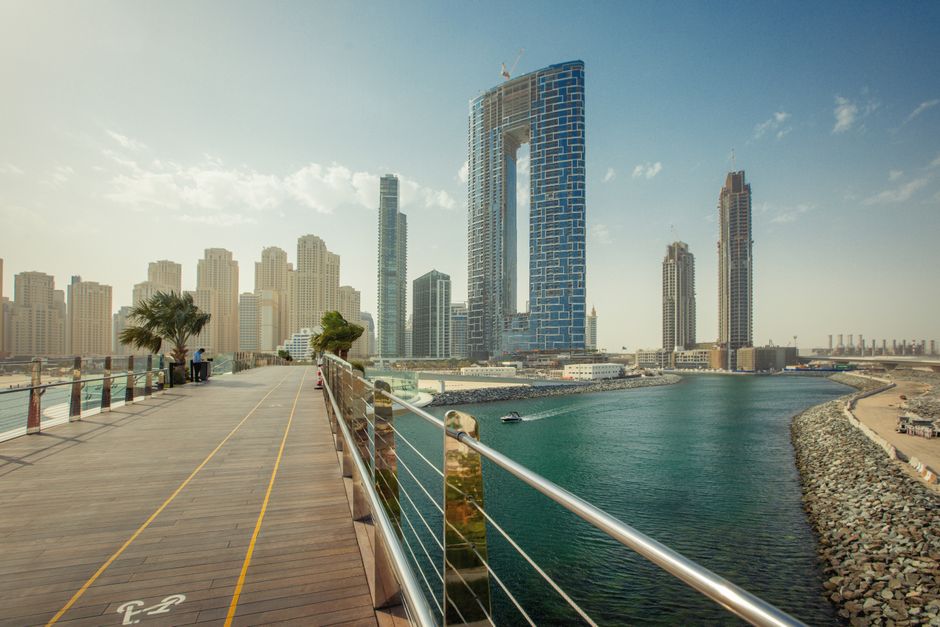
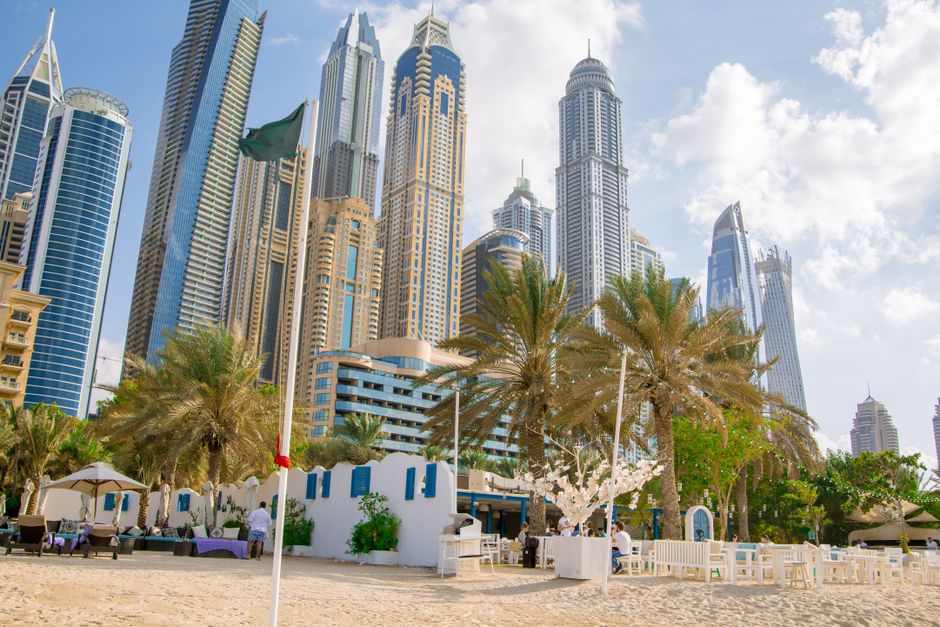
For years, Dubai's wellness narrative centred on pushing harder: early morning Marina Walk running sessions, high-intensity bootcamps in JBR, and the relentless pursuit of fitness during the annual Dubai Fitness Challenge 30x30. But something has shifted in the city's health consciousness. Sleep and rest are no longer afterthoughts—they're becoming the cornerstone of how residents approach their wellbeing.
The change is visible across the city's wellness landscape. Sleep-focused clinics have opened in Downtown Dubai and Business Bay, addressing what sleep specialists increasingly recognise as a hidden health crisis: the Middle East has among the highest rates of sleep disorders globally, with studies suggesting over 50 per cent of the region's population experiences disrupted sleep patterns. Dubai's fast-paced lifestyle, demanding work culture, and extreme summer heat have long made quality sleep elusive for many residents.
Premium fitness facilities from Al Barsha to Arabian Ranches have begun integrating recovery spaces—meditation lounges, infrared saunas, and sleep pods—recognising that rest is integral to athletic performance. Even traditional gym culture is evolving. Personal trainers now routinely assess clients' sleep quality before designing workout programmes, understanding that a well-rested body builds strength more effectively than an exhausted one pushed to breaking point.
Wellness resorts across the emirate are capitalising on this trend. Spa facilities now market sleep-enhancing treatments—from aromatherapy sessions to sleep consultation packages—targeting the city's increasingly health-conscious expat and local populations. Luxury hotels have launched dedicated sleep programmes, with some offering guests guidance on sleep hygiene aligned with Dubai's seasonal challenges and individual chronotypes.
The shift reflects a broader maturation in how Dubai approaches fitness. Rather than viewing wellness as a relentless grind, residents are learning that recovery underpins sustainable health. Quality sleep improves immune function, supports mental clarity, and enhances physical performance—concepts that align perfectly with the ambitious goals that drive this city.
Local wellness coaches and nutritionists increasingly emphasise that eight-hour sleep targets should rank alongside exercise and diet in personal health strategies. Sleep tracking apps have become as common as fitness wearables, with residents monitoring their rest patterns as seriously as their step counts.
This wellness trend recognises a simple truth: in a city built on ambition and achievement, rest isn't laziness—it's strategy. For Dubai's residents seeking sustainable health, the message is clear: sleep is no longer something you fit in around your schedule. It's the foundation upon which everything else is built.
This article was compiled by AI from the sources linked above and screened before publishing. See our editorial standards.