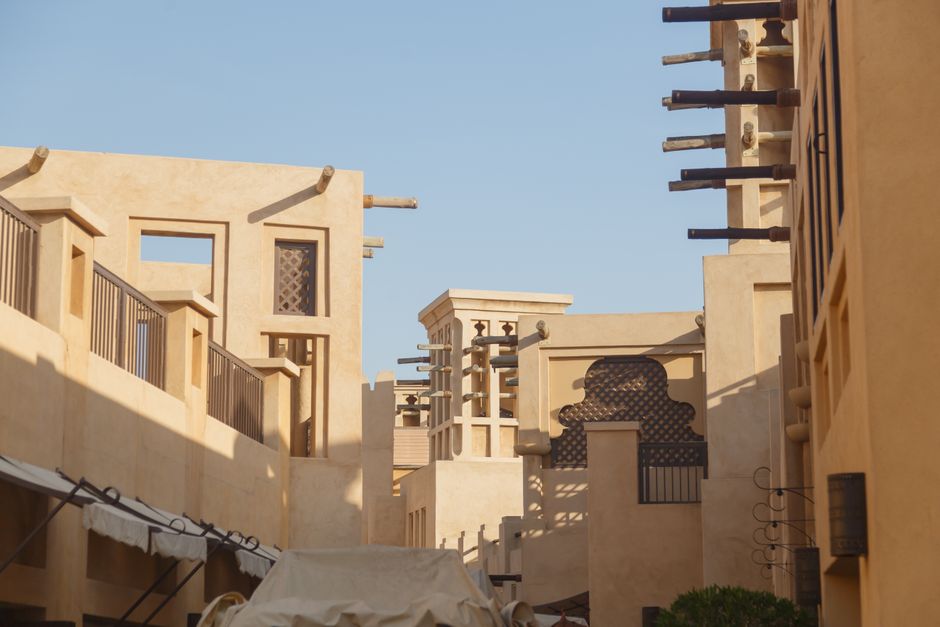
Walk through the Al Quoz Creative Zone on a Saturday morning, and you'll find a different kind of energy than the neighbourhood's usual industrial hum. The weekly farmers' market, which has grown to feature over 40 vendors since launching in 2023, draws residents from across Dubai seeking fresh produce, artisan breads, and locally-sourced proteins. It's become more than a shopping destination—it's become a catalyst for genuine dietary transformation.
The shift reflects a broader wellness movement taking root in Dubai's communities. According to the Dubai Municipality's 2025 health and nutrition survey, 67 per cent of residents now actively seek locally-sourced or organic options when grocery shopping, up from 41 per cent in 2021. Behind those statistics are hundreds of personal stories of change.
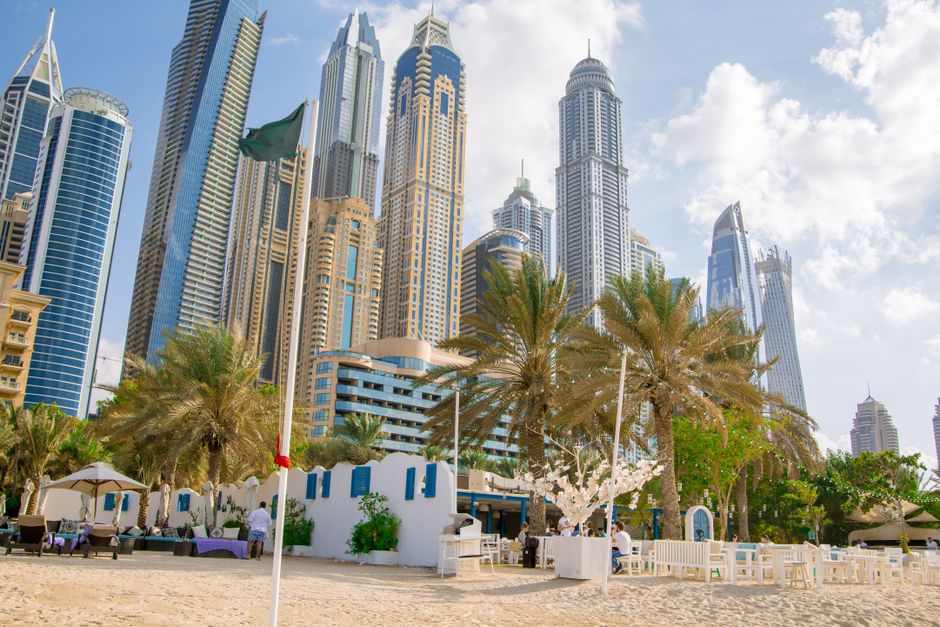
In JBR, near the beachfront running culture that defines the neighbourhood, residents have created informal nutrition circles. Groups meet along Marina Walk—a stretch increasingly dotted with smoothie bars and health-focused cafes—to share meal-prep strategies and recipe swaps. Local nutritionists and wellness coaches operating from studios in JBR Gate have reported a 40 per cent surge in consultations over the past eighteen months, largely driven by word-of-mouth referrals within these tight-knit communities.
The transformation extends to established neighbourhoods too. In Downtown Dubai, where fine dining has long dominated the food landscape, a growing network of health-conscious restaurants and meal-prep services has emerged. Establishments now openly compete on transparency—displaying sourcing information, calorie counts, and macro breakdowns that appeal to residents taking control of their nutrition.
What's driving this change? Partly, it's the Dubai Fitness Challenge's annual 30x30 initiative, which encourages movement but increasingly frames exercise within a holistic wellness context that demands dietary accountability. Partly, it's accessibility. Organic vegetable boxes, once a luxury for expats, now cost between AED 75-150 weekly through community-supported agriculture schemes operating from Mushrif and other suburban areas.
But the real fuel is social. Residents sharing success stories in WhatsApp groups, Instagram wellness communities, and at neighbourhood events create accountability and inspiration that generic health advice simply cannot replicate. When your neighbour visibly transforms their energy levels by switching from delivery-dependent eating to whole foods from the Al Quoz market, the message hits differently.
These grassroots movements suggest Dubai's health evolution isn't top-down—it's community-driven, neighbourhood by neighbourhood.
This article was compiled by AI from the sources linked above and screened before publishing. See our editorial standards.