Dubai's Golden Generation Gets Moving: How Active Ageing Is Reshaping Wellness in the Emirates
From Marina Walk to beachfront bootcamps, seniors are redefining fitness culture in a city once dominated by younger demographics.
From Marina Walk to beachfront bootcamps, seniors are redefining fitness culture in a city once dominated by younger demographics.
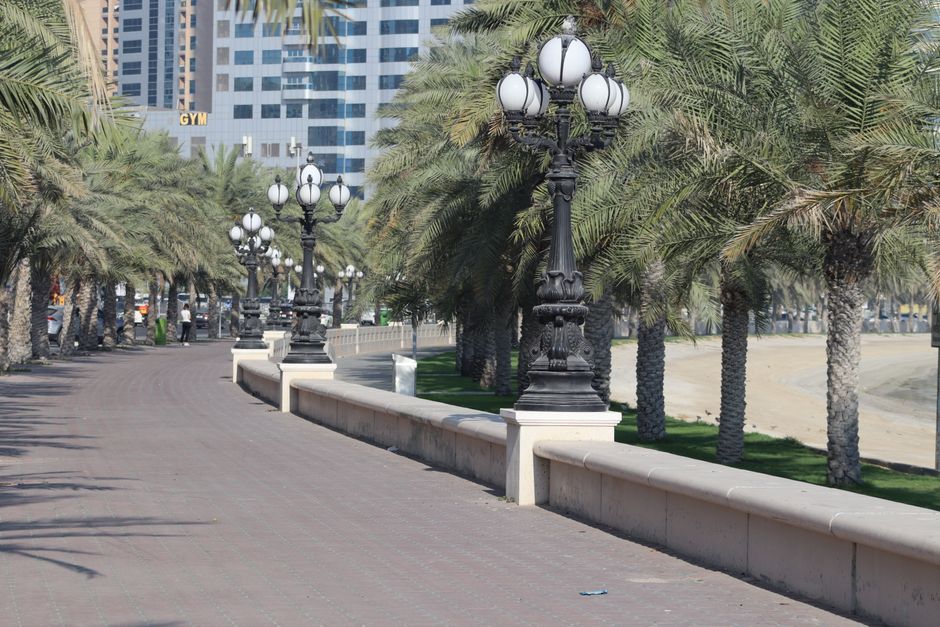
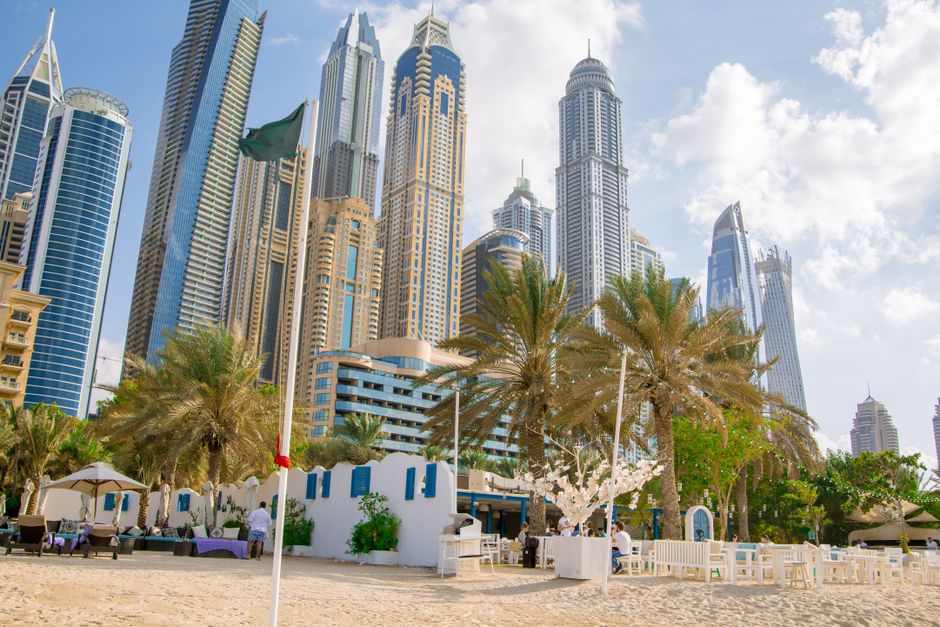
Walk along Marina Walk on any weekday morning, and you'll spot a shift in Dubai's fitness landscape. Grey-haired joggers in moisture-wicking gear pass power-walkers in coordinated athleisure. At JBR Beach, beach volleyball courts now host mixed-age tournaments alongside the traditional younger crowds. This isn't coincidence—it's the visible manifestation of a wellness trend reshaping how the Emirates thinks about ageing.
Dubai's senior population has grown substantially over the past decade. Healthcare providers and fitness facilities across Emirates Living, Arabian Ranches, and Downtown Dubai have noticed a surging demand for mobility-focused programming. The Dubai Fitness Challenge's 30x30 initiative, which encourages 30 minutes of daily activity over 30 days each November, has increasingly attracted participants over 55, marking a deliberate shift from elite athletic messaging to inclusive wellness messaging.
The trend reflects both demographic reality and cultural change. "Smaller doses of exercise" philosophies—backing joint-friendly approaches—have gained traction among older residents seeking sustainable fitness routines. Premium gyms across the Dubai Marina corridor and Business Bay now advertise flexibility classes, aquatic therapy, and resistance training tailored to mobility preservation rather than performance metrics.
Private wellness centres in Jumeirah and Al Barsha have expanded offerings specifically for active ageing. Aquatics programmes at facilities near Jumeirah Beach and The Walk at JBR remain popular, leveraging water resistance for low-impact strength training. Physiotherapy-informed group classes addressing balance, gait stability, and fall prevention are increasingly common—addressing real health priorities for this demographic.
The financial investment is significant. Annual gym memberships for senior-focused programmes typically range from AED 2,000 to AED 5,000, with specialized mobility classes adding AED 300–500 monthly. Personal training sessions targeting post-60 fitness goals cost between AED 150–300 per hour. This pricing reflects both demand and the premium nature of Dubai's wellness market.
Community organisations and expat networks across Dubai have also amplified this movement. Walking clubs departing from Al Manara Park, hiking groups exploring Hatta Dam trails, and cycling meetups organised through neighbourhood associations have created social infrastructure around active ageing—proving that wellness in Dubai is increasingly social, not solitary.
What's driving adoption? Medical professionals emphasise that mobility preservation directly impacts independence and quality of life. As Dubai's expatriate population ages in place, and as emirati residents embrace preventative health approaches, the demand for evidence-based, accessible fitness solutions has become impossible to ignore.
The trend signals a maturing wellness culture in Dubai—one that recognises fitness as a lifelong practice, not a youth-dominated pursuit. For a city built on forward momentum, that's a genuinely progressive shift.
This article was compiled by AI from the sources linked above and screened before publishing. See our editorial standards.
How does this story make you feel?
Spread the word
About this article
Published by The Daily Dubai
Daily brief
Free, in your inbox before 7am. Weekdays.
More in Wellness