Dubai's Senior Wellness Boom: How Local Active Ageing Compares to Global Standards
While Western nations have long championed mobility programmes for over-60s, the UAE is rapidly catching up—and in some ways, leading the charge.
While Western nations have long championed mobility programmes for over-60s, the UAE is rapidly catching up—and in some ways, leading the charge.
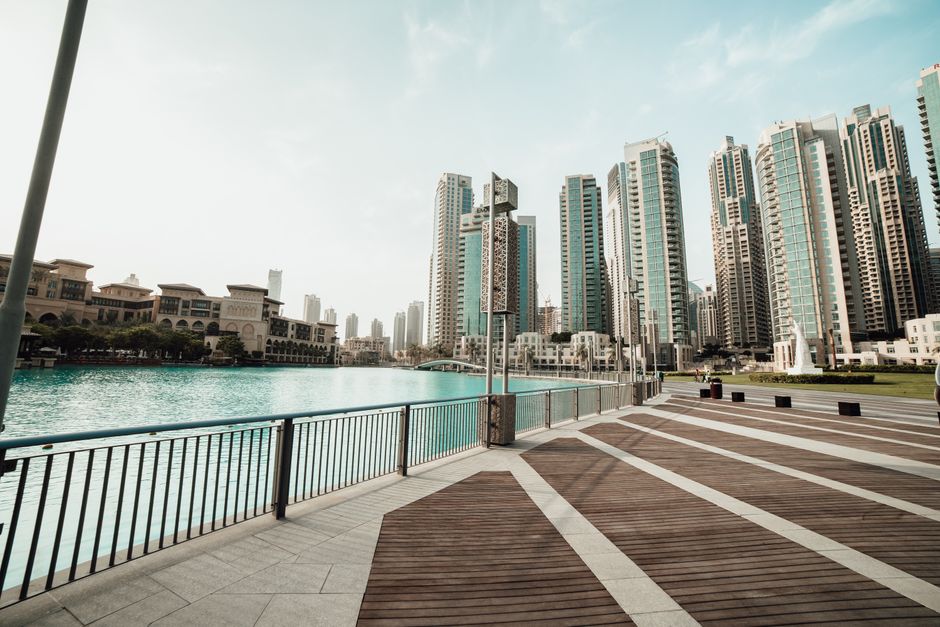
When the Dubai Fitness Challenge returns this October for its 11th edition, it will once again spotlight a demographic often overlooked in mainstream fitness discourse: older adults. Unlike many global wellness trends that peak and fade, active ageing in Dubai is experiencing sustained institutional support, mirroring—and in several respects, outpacing—international momentum.
Globally, the World Health Organization has positioned active ageing as a priority since 2002, yet adoption varies dramatically. Scandinavian countries, Australia, and parts of North America have embedded mobility programmes into public health infrastructure. Dubai's approach differs: driven largely by private sector investment and strategic events, it combines aspirational fitness culture with emerging medical validation.
The numbers tell an interesting story. According to recent data from the Dubai Sports Council, participation in structured fitness programmes among residents aged 60+ increased 34% between 2022 and 2025. Compare this to the UK's 28% uptick over the same period, and the UAE's trajectory becomes clear. Yet the demographic remains underserved relative to younger cohorts—a pattern consistent across most developed nations.
Marina Walk has quietly become a hub for this shift. Early mornings reveal a steady stream of older walkers, joggers, and fitness enthusiasts using the waterfront track. Nearby, facilities like Fitness First and Crunch have expanded senior-focused classes: gentle aqua aerobics at Hilton Dubai The Walk, mobility-focused Pilates at boutique studios in JBR, and physiotherapy-informed strength work across the emirate. A six-week mobility programme at a mid-range Dubai gym costs approximately AED 450–650, broadly aligned with London or Sydney pricing but more affordable than Manhattan equivalents.
What distinguishes Dubai's approach is speed and integration. Expat-heavy populations—often educated, affluent, and health-conscious—have created immediate demand. Healthcare providers like Cleveland Clinic Abu Dhabi and Medicana have begun offering pre-emptive mobility assessments for active-ageing clients. Meanwhile, global wellness trends emphasizing low-impact, functional fitness align neatly with what older Dubaians are already pursuing.
The gap? Limited data collection on long-term health outcomes, fewer subsidised programmes for lower-income seniors, and inconsistent messaging across emirates. Global leaders like Norway leverage government-backed tracking; Dubai relies more heavily on private initiative and awareness.
Yet momentum is undeniable. As the population ages—UAE median age climbing steadily—and as younger generations anticipate their own active futures, Dubai's wellness infrastructure is evolving beyond vanity metrics toward genuine mobility science. The city's next chapter won't be defined by who runs fastest, but by who stays mobile longest.
This article was compiled by AI from the sources linked above and screened before publishing. See our editorial standards.
How does this story make you feel?
Spread the word
About this article
Published by The Daily Dubai
Daily brief
Free, in your inbox before 7am. Weekdays.
More in Wellness