There's something uniquely motivating about lacing up your trainers knowing thousands of others are doing the same. In Dubai, where fitness culture has evolved from private gym memberships to vibrant community participation, group challenges have become the heartbeat of our wellness landscape.
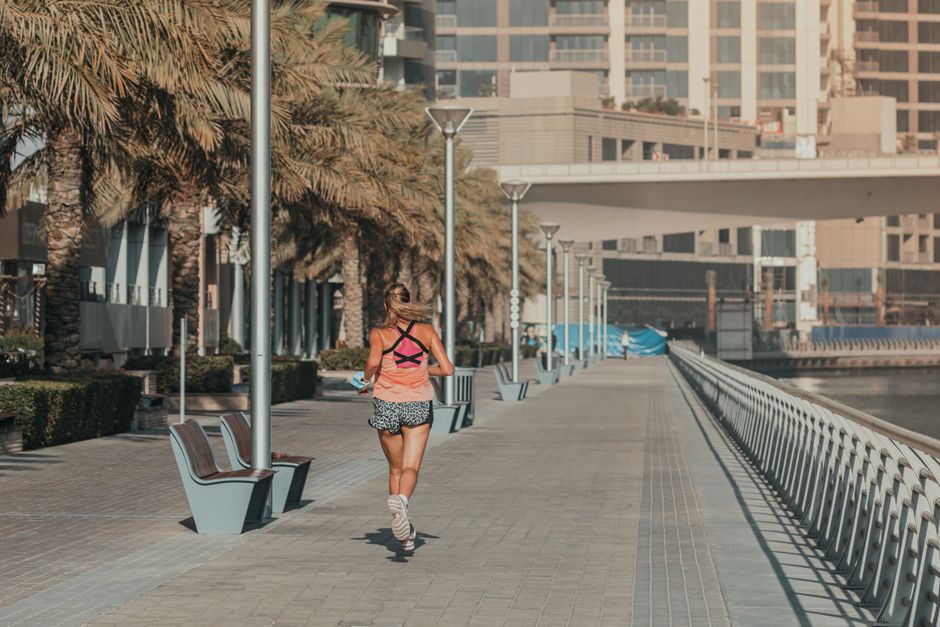
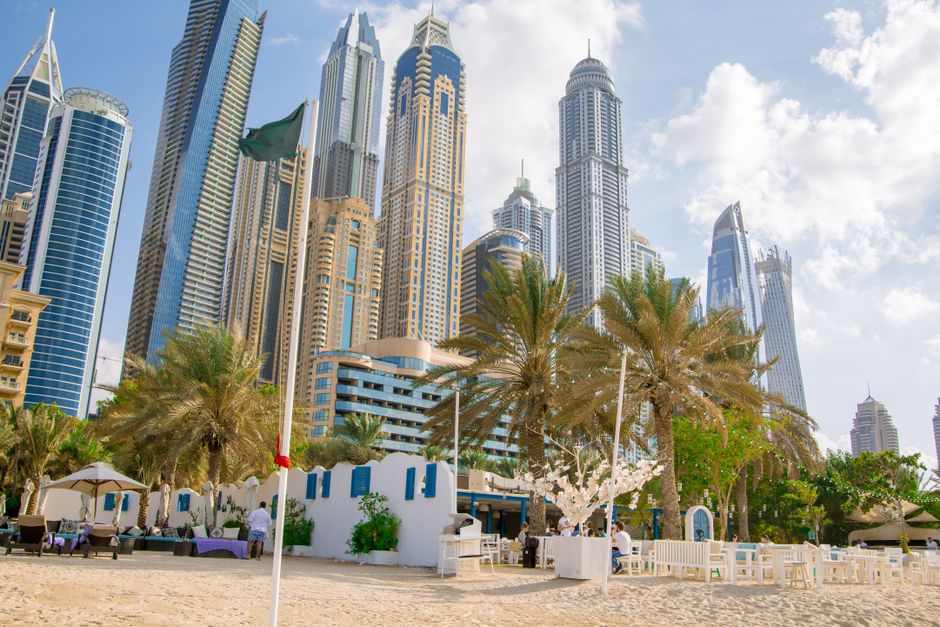
The Dubai Fitness Challenge 30x30 remains the flagship annual event, encouraging residents to complete 30 minutes of physical activity on 30 consecutive days each November. Since its inception, the initiative has mobilised over 2 million people across the emirate, transforming parks, beaches, and public spaces into spontaneous fitness hubs. What started as a health mandate has morphed into genuine community bonding, with families gathering at JBR Beach for sunrise bootcamps and office colleagues forming running groups along the Marina Walk track.
The beauty of these challenges lies in their accessibility. A 45-year-old accountant training for her first 5K finds herself running alongside a retired teacher and a university student, all united by the same finish line. Neighbourhood Facebook groups buzz with encouragement—spots like Jumeirah Park and Al Safa Park host informal meet-ups where fitness levels range from complete beginners to seasoned athletes, yet everyone participates at their own pace.
Beyond the flagship November event, micro-communities have flourished. Running clubs in Arabian Ranches organise weekly routes through the development's scenic pathways. Women-only fitness groups meet at various Dubai sports clubs. CrossFit boxes and yoga studios host monthly challenges with modest entry fees—typically between AED 50 and 150—that donate proceeds to local charities, weaving social responsibility into the fitness narrative.
The data suggests this momentum is sustainable. Participation in group fitness activities has grown approximately 40% over three years, according to fitness industry observers, with younger professionals (25-40) leading adoption of app-based challenges that gamify community engagement. Strava segments on popular routes like those around Zabeel Park have attracted thousands of local users tracking their progress publicly.
Perhaps most tellingly, these challenges dissolve the traditional isolation of individual fitness pursuits. A marketing manager who once viewed her 6am treadmill sessions as solitary obligations now anticipates Thursday evening group runs where friendships form naturally between kilometres. The competitive element exists, but communal encouragement outweighs it.
As Dubai continues refining its identity as a global wellness destination, its true strength may not lie in world-class facilities or luxury fitness franchises. It lies in ordinary residents discovering that pursuing health together—whether through formal challenges or grassroots groups—creates something far more valuable than personal records: genuine community connection.
This article was compiled by AI from the sources linked above and screened before publishing. See our editorial standards.