Dubai's Startup Dream Meets Reality: Why the VC Gold Rush Comes With Hidden Costs
As venture capital floods into Emaar Boulevard and beyond, founders and investors grapple with sustainability, accountability, and the human toll of hypergrowth.
As venture capital floods into Emaar Boulevard and beyond, founders and investors grapple with sustainability, accountability, and the human toll of hypergrowth.
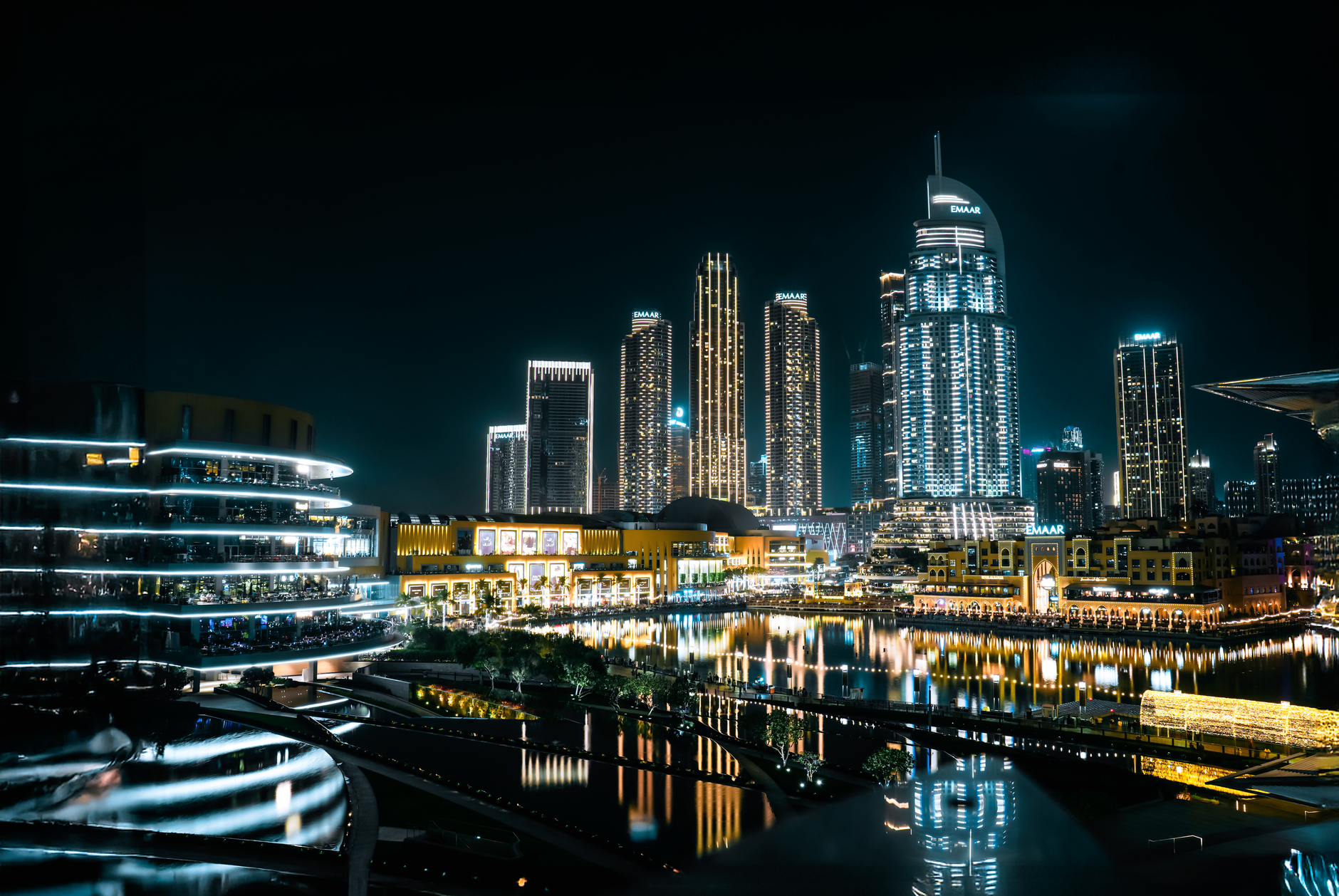
Walk through the gleaming corridors of Dubai Silicon Oasis or grab coffee at any of the packed networking lounges in Downtown Dubai, and you'll hear the same refrain: this is the golden age for startups in the emirate. Investment figures tell a compelling story. In 2025, the UAE attracted over $2.4 billion in venture capital, with Dubai capturing the lion's share. Major funds have opened regional hubs here, and the government's hands-off regulatory approach attracts founders from across Asia, Africa, and the Middle East.
Yet beneath the celebratory headlines lies a more complicated reality—one that founders, investors, and ecosystem observers are increasingly willing to discuss in private, though rarely in public.
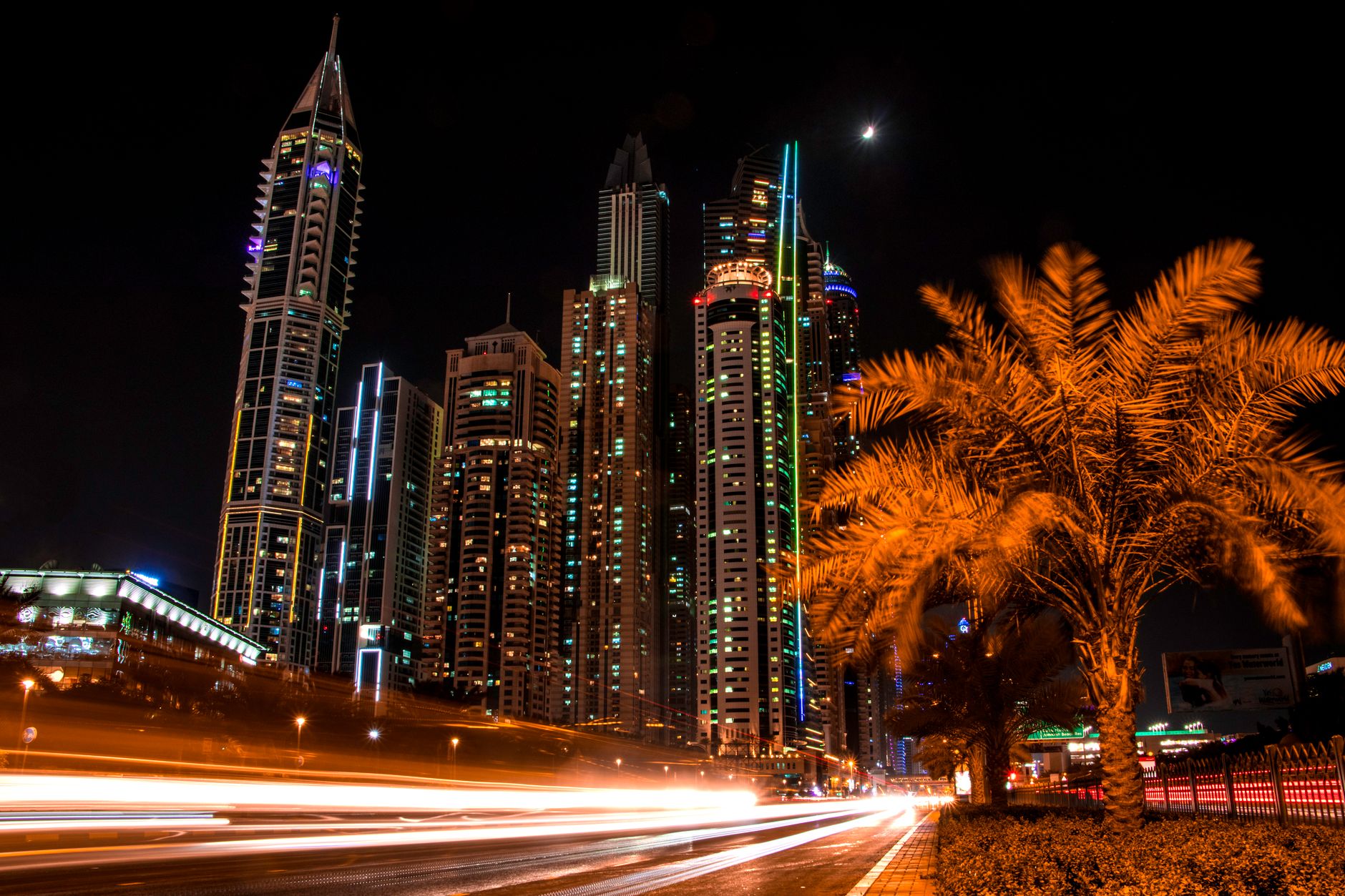
The first challenge is sustainability. Many startups receiving Series A and B funding from international VCs are optimised for rapid scaling, not profitability. Local founders report pressure to burn cash aggressively, relocate teams to Dubai's expensive Marina and JBR districts, and pursue growth metrics that may not reflect genuine market demand. When corrections come—and history suggests they do—the human cost extends beyond shareholders. Junior employees hired during expansion phases face redundancy. Support networks built around these companies vanish overnight.
Then there's the ethics question. Several high-profile Dubai startups have faced scrutiny over labour practices, particularly regarding migrant worker employment. The venture capital model's relentless focus on valuation growth can create perverse incentives to cut corners on compliance. Few VCs conduct robust due diligence on founders' treatment of staff or their supply chain ethics. The appetite for disruption can easily slide into exploitation.
Accountability gaps compound these concerns. Unlike traditional banking or regulated industries, the VC ecosystem operates with minimal transparency. Fund returns, founder misconduct allegations, and investment decisions often remain opaque. Dubai's relatively young institutional investor base sometimes lacks the rigour to challenge poor governance. When a startup fails spectacularly—taking investor money and employee livelihoods with it—there's rarely public accountability.
There's also the concentration risk. Billions flow into fintech, e-commerce, and logistics startups serving Gulf markets, while unglamorous but critical sectors like healthcare infrastructure or educational technology struggle to attract capital. This creates an imbalanced ecosystem that reflects investor appetite rather than genuine economic need.
Yet dismissing Dubai's startup scene would be unfair. The infrastructure, tax incentives, and networking advantages are real. The question isn't whether venture capital belongs here—it does—but whether the ecosystem can mature fast enough to balance ambition with responsibility, growth with sustainability, and profit with people.
This article was compiled by AI and screened before publishing. See our editorial standards.
How does this story make you feel?
Spread the word
About this article
Published by The Daily Dubai
Daily brief
Free, in your inbox before 7am. Weekdays.
More in tech